
In today’s fast-paced, technology-driven world, the significance of outdoor educational spaces cannot be overstated. These environments provide a unique opportunity for learners of all ages to engage with their surroundings in a way that traditional classrooms often cannot facilitate. When you step outside, you are not just leaving the confines of four walls; you are entering a dynamic learning environment that stimulates curiosity and fosters creativity.
The natural world serves as an endless source of inspiration, encouraging exploration and hands-on experiences that are vital for holistic development. Moreover, outdoor educational spaces promote a sense of community and collaboration among learners. When you gather with peers in an open setting, the barriers that often exist in conventional classrooms tend to dissolve.
This collaborative atmosphere encourages teamwork and communication, essential skills in today’s interconnected world. By engaging with nature and each other, you develop a deeper understanding of your environment and your role within it, fostering a sense of responsibility and stewardship for the planet.
Key Takeaways
- Outdoor educational spaces provide a unique and valuable learning environment for students of all ages.
- Designing outdoor educational spaces requires careful consideration of natural elements, safety, and accessibility.
- Outdoor learning offers numerous benefits for children, including improved physical health, cognitive development, and emotional well-being.
- Incorporating nature into educational spaces can enhance learning experiences and foster a deeper connection to the environment.
- Outdoor learning can be beneficial for adolescents, providing opportunities for hands-on learning, teamwork, and personal growth.
Designing Outdoor Educational Spaces
Designing effective outdoor educational spaces requires careful consideration of various factors to ensure they meet the needs of learners. You must think about the layout, materials, and features that will best facilitate learning experiences. For instance, incorporating diverse zones such as quiet reflection areas, active play spaces, and collaborative workstations can cater to different learning styles and preferences.
By creating distinct areas, you allow learners to choose how they engage with their environment, promoting autonomy and personal growth. Additionally, the integration of natural elements is crucial in the design process. You should consider using native plants, trees, and water features to create a harmonious environment that reflects the local ecosystem.
This not only enhances the aesthetic appeal but also provides opportunities for experiential learning about biodiversity and environmental science. Furthermore, incorporating sustainable practices in the design—such as rain gardens or solar-powered lighting—can serve as a practical lesson in sustainability for learners, reinforcing the importance of environmental stewardship.
Benefits of Outdoor Learning for Children
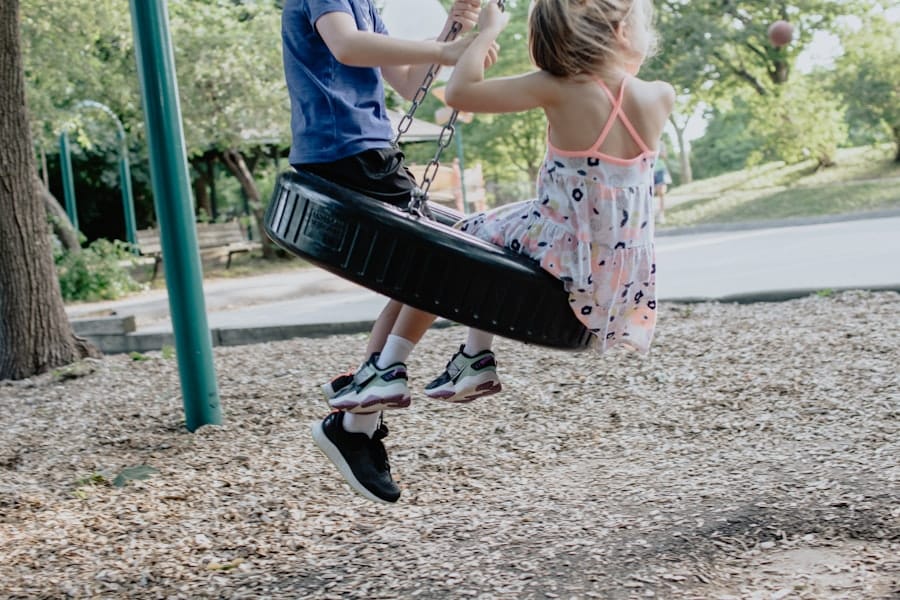
The benefits of outdoor learning for children are profound and multifaceted. Engaging with nature has been shown to enhance cognitive development, improve focus, and boost creativity. When you take children outside, they are often more engaged and motivated to learn.
The sensory experiences provided by nature—such as the feel of grass underfoot or the sound of rustling leaves—stimulate their senses and encourage exploration. This hands-on approach to learning allows children to connect theoretical concepts with real-world applications, making education more relevant and impactful. Moreover, outdoor learning promotes physical health and well-being.
In an age where sedentary lifestyles are increasingly common, outdoor educational spaces encourage movement and physical activity. You may notice that children are more likely to run, jump, and play when they are outside, which contributes to their overall health. Additionally, exposure to natural light has been linked to improved mood and mental health, further enhancing the learning experience.
By fostering a love for the outdoors, you help children develop lifelong habits that prioritize physical activity and well-being.
Incorporating Nature into Educational Spaces
Incorporating nature into educational spaces goes beyond simply having a garden or a few trees on the premises; it involves creating an immersive experience that connects learners with the environment. You can achieve this by integrating natural elements into the curriculum, allowing students to explore topics such as ecology, biology, and geography through hands-on activities in their outdoor surroundings. For example, conducting science experiments in a garden or observing wildlife can provide practical insights that textbooks alone cannot offer.
Furthermore, you can enhance the learning experience by utilizing natural materials in your educational spaces. Consider using wood, stone, and other organic materials for seating areas or learning stations. These elements not only blend seamlessly with the environment but also create a tactile experience that enriches learning.
By fostering a connection between learners and nature, you cultivate an appreciation for the environment that can lead to more environmentally conscious behaviors in the future.
Outdoor Learning for Adolescents
As children transition into adolescence, their learning needs evolve significantly. Outdoor educational spaces can play a crucial role in supporting this developmental stage by providing opportunities for self-discovery and personal growth. You may find that adolescents thrive in environments that allow them to explore their interests and passions outside of traditional academic settings.
Outdoor learning experiences can foster independence and critical thinking skills as they navigate challenges in a less structured environment. Moreover, outdoor learning can serve as a powerful tool for social-emotional development during these formative years. Adolescents often face various pressures related to identity and peer relationships.
Engaging in outdoor activities—such as team-building exercises or environmental projects—can help build resilience and foster positive relationships among peers. By creating safe spaces for exploration and collaboration, you empower adolescents to develop essential life skills that will serve them well beyond their school years.
Creating Outdoor Educational Spaces for Adults

Outdoor educational spaces are not solely for children; they can also be incredibly beneficial for adult learners. Whether in professional development settings or community education programs, outdoor environments can enhance engagement and creativity among adults. You might consider organizing workshops or training sessions in natural settings to break away from the monotony of traditional classrooms.
The fresh air and open space can stimulate innovative thinking and foster collaboration among participants. Additionally, outdoor educational spaces can serve as venues for lifelong learning opportunities. You can create programs focused on topics such as gardening, sustainability practices, or outdoor survival skills that appeal to adult learners seeking personal enrichment or professional development.
By providing these opportunities in an outdoor setting, you encourage participants to connect with nature while acquiring valuable skills that enhance their personal and professional lives.
Using Technology in Outdoor Educational Spaces
Incorporating technology into outdoor educational spaces can enhance the learning experience while maintaining a connection with nature. You might consider using mobile devices or tablets to facilitate interactive learning experiences that blend digital resources with outdoor exploration. For instance, augmented reality applications can bring lessons to life by overlaying digital information onto real-world environments, allowing learners to engage with content in innovative ways.
Moreover, technology can be used to document and share outdoor learning experiences. You could encourage students to create blogs or videos showcasing their discoveries in nature, fostering creativity while also developing digital literacy skills. By integrating technology thoughtfully into outdoor educational spaces, you create a dynamic learning environment that appeals to diverse learning styles while still prioritizing the benefits of nature-based education.
Ensuring Accessibility in Outdoor Educational Spaces
Creating inclusive outdoor educational spaces is essential to ensure that all learners have equal access to these enriching environments. You must consider various factors when designing these spaces to accommodate individuals with different abilities. This includes ensuring pathways are wheelchair accessible, providing seating options for individuals with mobility challenges, and incorporating sensory-friendly elements for those with sensory sensitivities.
Additionally, it is crucial to involve diverse voices in the planning process to understand the needs of various communities better. Engaging with individuals who have disabilities or those from underrepresented backgrounds can provide valuable insights into how to create truly inclusive outdoor educational spaces. By prioritizing accessibility, you not only enhance the learning experience for all but also promote equity within educational settings.
Funding and Maintaining Outdoor Educational Spaces
Securing funding for outdoor educational spaces can be a significant challenge but is essential for their development and sustainability. You might explore various funding sources such as grants from educational foundations, partnerships with local businesses, or community fundraising initiatives. Collaborating with local organizations can also provide additional resources and support for maintaining these spaces over time.
Once established, maintaining outdoor educational spaces requires ongoing commitment and care. You should consider creating volunteer programs that engage students, parents, and community members in upkeep efforts. This not only fosters a sense of ownership but also reinforces the importance of stewardship for shared resources.
By prioritizing maintenance and sustainability practices, you ensure that these valuable educational environments remain accessible and beneficial for future generations.
Examples of Successful Outdoor Educational Spaces
Across the globe, numerous examples showcase the potential of outdoor educational spaces in enhancing learning experiences. For instance, schools that have transformed their playgrounds into interactive learning environments have reported increased student engagement and improved academic performance. These spaces often include gardens where students learn about plant biology while also developing responsibility through caring for living organisms.
Another inspiring example is community-based outdoor education programs that focus on environmental stewardship. These initiatives often involve partnerships between schools and local organizations to create hands-on learning experiences centered around conservation efforts. By participating in such programs, learners gain practical skills while also contributing positively to their communities and ecosystems.
The Future of Outdoor Learning
As we look toward the future of education, it is clear that outdoor learning will play an increasingly vital role in shaping how we teach and learn. The growing recognition of the importance of mental health and well-being in education underscores the need for more outdoor educational spaces that promote holistic development. You may find that schools are increasingly prioritizing green spaces as part of their infrastructure plans, recognizing their potential to enhance student outcomes.
Furthermore, advancements in technology will continue to shape how we integrate outdoor learning into curricula. As educators like yourself embrace innovative approaches that blend nature with digital resources, you will create dynamic learning environments that cater to diverse needs and preferences. The future of outdoor education holds immense promise as we strive to cultivate a generation of learners who are not only knowledgeable but also deeply connected to their environment and committed to its preservation.
If you are interested in learning more about how to create outdoor educational spaces, you may want to check out this article on landscaping services in Detroit, Michigan. This article discusses the importance of maintaining outdoor spaces and how professional landscaping services can help enhance the educational experience. It provides valuable insights into the benefits of investing in outdoor spaces for all ages.
FAQs
What are outdoor educational spaces?
Outdoor educational spaces are areas designed to facilitate learning and exploration in an outdoor environment. These spaces can include gardens, nature trails, outdoor classrooms, and other outdoor learning environments.
What are the benefits of outdoor educational spaces?
Outdoor educational spaces provide numerous benefits, including opportunities for hands-on learning, connection with nature, physical activity, and improved mental well-being. These spaces also promote environmental stewardship and can enhance academic performance.
Who can benefit from outdoor educational spaces?
Outdoor educational spaces are beneficial for learners of all ages, from young children to adults. They can be used by schools, community organizations, and individuals seeking to engage in outdoor learning and exploration.
How can outdoor educational spaces be designed to be inclusive for all ages?
Designing inclusive outdoor educational spaces involves considering the diverse needs and abilities of all potential users. This can include providing accessible pathways, varied seating options, and activities that cater to different learning styles and physical abilities.
What are some examples of outdoor educational spaces?
Examples of outdoor educational spaces include school gardens, nature reserves, outdoor science labs, and community parks with educational signage and interactive exhibits. These spaces can also include features such as outdoor art installations, wildlife habitats, and sensory gardens.