
As you step outside, you may notice how outdoor spaces have transformed over the years. Once, these areas were primarily utilitarian, serving as mere extensions of the home for chores or basic recreation. However, the evolution of outdoor spaces has taken a significant turn, reflecting changes in lifestyle, culture, and environmental awareness.
Today, outdoor areas are not just functional; they are designed to be extensions of your living space, offering comfort, beauty, and a connection to nature. This shift has been influenced by various factors, including urbanization, the rise of environmental consciousness, and a growing appreciation for outdoor living. In recent decades, the concept of outdoor spaces has expanded to include a variety of elements that cater to relaxation and socialization.
You might find yourself drawn to patios adorned with comfortable seating, fire pits that invite evening gatherings, or gardens that provide a sanctuary from the hustle and bustle of daily life. This evolution reflects a broader trend toward creating environments that promote well-being and foster community connections. As you explore your own outdoor space, consider how it can serve as a personal retreat or a gathering place for friends and family, enhancing your quality of life.
Key Takeaways
- Outdoor spaces have evolved from traditional grass lawns to more sustainable and functional designs.
- Traditional lawns have a significant environmental impact, including water usage and chemical pollution.
- Alternatives to traditional grass lawns, such as native plants and low-maintenance landscaping options, can help reduce environmental impact.
- Sustainable outdoor space design focuses on functionality and beauty, incorporating water features, ponds, and lounge areas.
- Transitioning from a lawn to a lounge area can maximize small outdoor spaces and create a more enjoyable living environment.
The Environmental Impact of Traditional Lawns
Water Shortages and Pollution
When you think about the impact of your lawn, consider how these practices can lead to water shortages and pollution in local waterways. Moreover, traditional lawns often lack biodiversity, creating an ecosystem that is less resilient to pests and diseases.
Soil Erosion and Habitat Loss
As you reflect on your outdoor space, it’s essential to understand that traditional lawn maintenance can contribute to soil erosion and habitat loss for local wildlife.
Towards a More Sustainable Future
By understanding these impacts, you can make informed decisions about how to create a more sustainable outdoor environment that benefits both you and the planet.
Alternatives to Traditional Grass Lawns

As you seek alternatives to traditional grass lawns, you may discover a wealth of options that not only reduce environmental impact but also enhance the aesthetic appeal of your outdoor space. One popular alternative is ground cover plants, which can provide lush greenery without the high maintenance associated with grass. Varieties such as creeping thyme or clover can create beautiful carpets of color while requiring less water and care.
Another option is xeriscaping, a landscaping method that emphasizes drought-resistant plants and efficient water use. By incorporating native plants and succulents into your design, you can create a vibrant landscape that thrives in your local climate. As you explore these alternatives, consider how they can transform your outdoor space into a low-maintenance oasis that reflects your personal style while being kinder to the environment.
Designing Sustainable Outdoor Spaces
When it comes to designing sustainable outdoor spaces, you have the opportunity to create an environment that harmonizes with nature. Start by assessing your existing landscape and identifying areas where you can incorporate eco-friendly practices. For instance, consider using permeable materials for walkways and patios to allow rainwater to seep into the ground rather than running off into storm drains.
This simple change can help recharge groundwater supplies and reduce flooding. In addition to materials, think about how you can integrate features that promote biodiversity. Planting a variety of native species not only supports local wildlife but also reduces the need for chemical fertilizers and pesticides.
As you design your outdoor space, aim for a balance between aesthetics and functionality, ensuring that it serves as both a beautiful retreat and an environmentally responsible area.
Creating Functional and Beautiful Lounge Areas
As you envision your outdoor space, consider how to create functional and beautiful lounge areas that invite relaxation and social interaction. Start by selecting comfortable seating options that encourage gatherings with family and friends. Whether it’s a cozy sectional sofa or individual chairs arranged around a fire pit, the layout should promote conversation and connection.
Incorporating elements such as shade structures or pergolas can enhance the comfort of your lounge area while adding visual interest. You might also think about integrating outdoor lighting to create an inviting atmosphere for evening gatherings. By thoughtfully designing these spaces, you can transform your outdoor area into a welcoming retreat that enhances your lifestyle and encourages you to spend more time outdoors.
Embracing Native Plants and Landscaping
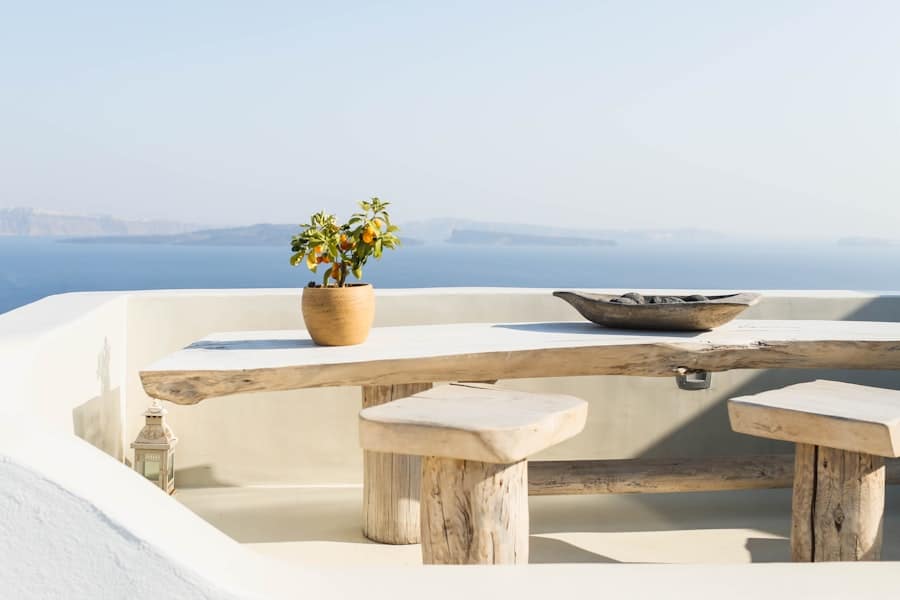
Low Maintenance, High Rewards
Native plants are adapted to local climates and soil conditions, making them easier to maintain than non-native species. As you explore this option, consider how incorporating native flora can attract pollinators like bees and butterflies, contributing to a healthier ecosystem.
Sustainable Landscaping
Additionally, native plants often require less water and fewer chemicals than traditional landscaping options. By choosing these plants for your garden beds or borders, you can create a vibrant landscape that thrives with minimal intervention.
A Deeper Connection with Nature
As you embrace native landscaping, you’ll find that it not only enhances the beauty of your outdoor space but also fosters a deeper connection with the natural world around you.
Incorporating Water Features and Ponds
Water features can add a serene element to your outdoor space while providing numerous ecological benefits. As you contemplate incorporating a pond or fountain into your landscape, think about how these features can create a calming atmosphere and attract wildlife. The gentle sound of flowing water can transform your garden into a peaceful retreat where you can unwind after a long day.
Moreover, ponds can serve as habitats for various species, including frogs and dragonflies, contributing to biodiversity in your area. If you’re considering a pond, ensure it is designed with native plants around its edges to provide shelter for wildlife while enhancing its natural beauty. By integrating water features into your outdoor space, you not only elevate its aesthetic appeal but also create an environment that supports local ecosystems.
The Benefits of Outdoor Living Spaces
The benefits of outdoor living spaces extend far beyond aesthetics; they play a crucial role in enhancing your overall well-being. Spending time outdoors has been shown to reduce stress levels and improve mental health. As you create inviting areas in your yard for relaxation or entertainment, consider how these spaces can serve as an escape from daily pressures.
Additionally, outdoor living spaces encourage physical activity and social interaction. Whether you’re hosting barbecues with friends or enjoying quiet moments alone in nature, these areas provide opportunities for connection and engagement with both people and the environment. By investing in outdoor living spaces, you’re not just enhancing your property; you’re enriching your life.
Low-Maintenance Landscaping Options
If you’re looking for ways to simplify your gardening routine while still enjoying a beautiful landscape, low-maintenance landscaping options are worth considering. These designs focus on using hardy plants that require minimal care while still providing visual interest throughout the seasons. For instance, ornamental grasses or drought-tolerant perennials can add texture and color without demanding constant attention.
Incorporating hardscaping elements such as gravel paths or stone patios can further reduce maintenance needs while enhancing the overall design of your outdoor space. As you explore low-maintenance options, think about how they can free up your time for relaxation and enjoyment rather than constant upkeep. By choosing plants and materials wisely, you can create an attractive landscape that aligns with your lifestyle.
Maximizing Small Outdoor Spaces
If you’re working with limited outdoor space, maximizing its potential is key to creating an enjoyable environment. Start by assessing how you currently use the area and identify opportunities for improvement. Vertical gardening techniques can be particularly effective in small spaces; consider using wall planters or trellises to grow climbing plants or herbs.
Additionally, multifunctional furniture can help optimize space usage. Look for benches with built-in storage or tables that can be easily folded away when not in use. By being creative with your design choices, you can transform even the smallest outdoor area into a functional retreat that meets your needs while reflecting your personal style.
Tips for Transitioning from Lawn to Lounge
Transitioning from a traditional lawn to a more functional lounge area may seem daunting at first, but with careful planning and creativity, it can be an enjoyable process. Start by envisioning how you want to use the space—whether for entertaining guests or simply relaxing with a book—and let this vision guide your design choices. Begin by removing sections of grass where you want to create seating areas or pathways.
You might consider replacing grass with gravel or pavers for low-maintenance surfaces that define different zones within your yard. Incorporate comfortable seating options and decorative elements like planters or lighting to enhance the ambiance of your new lounge area. As you make these changes, remember that this transition is an opportunity to create an outdoor space that truly reflects your lifestyle and preferences.
In conclusion, as you navigate the evolution of outdoor spaces and their impact on both personal well-being and the environment, consider how each element contributes to creating a harmonious balance between beauty and sustainability. By embracing alternatives to traditional lawns and designing functional areas that invite relaxation and connection with nature, you can transform your outdoor space into a sanctuary that enriches your life while being mindful of ecological considerations.
If you are looking to transform your traditional grass space into a more functional and inviting outdoor lounge area, you may also be interested in learning how to care for your yard after landscaping services. This article from The Landscaping Service provides valuable tips and advice on maintaining the beauty and health of your newly landscaped yard. Proper care and maintenance are essential to ensure that your outdoor space remains vibrant and thriving for years to come.
FAQs
What is the traditional use of grass spaces?
Traditionally, grass spaces such as lawns have been used for recreational activities, aesthetic purposes, and as a space for outdoor gatherings.
Why is there a need to rethink traditional grass spaces?
There is a need to rethink traditional grass spaces due to environmental concerns, water conservation, and the desire for more functional and sustainable outdoor spaces.
What are some alternative uses for traditional grass spaces?
Some alternative uses for traditional grass spaces include creating lounge areas, outdoor dining spaces, vegetable gardens, native plant landscapes, and play areas for children.
How can traditional grass spaces be transformed into more sustainable areas?
Traditional grass spaces can be transformed into more sustainable areas by incorporating drought-resistant plants, using permeable paving materials, installing rain gardens, and reducing the size of the lawn.
What are the benefits of rethinking traditional grass spaces?
Rethinking traditional grass spaces can lead to reduced water usage, lower maintenance costs, increased biodiversity, improved soil health, and a more enjoyable outdoor living environment.