
Growing your own culinary landscape offers a multitude of benefits that extend beyond the simple act of gardening. First and foremost, cultivating your own herbs, vegetables, and fruits allows you to enjoy the freshest produce possible. Imagine stepping into your backyard and plucking a ripe tomato or fragrant basil leaf just moments before adding it to your dish.
This not only enhances the flavor of your meals but also ensures that you are consuming food free from harmful pesticides and chemicals often found in store-bought produce. The satisfaction of knowing exactly where your food comes from can be incredibly rewarding, fostering a deeper connection to what you eat. Moreover, growing your own culinary garden can significantly contribute to your physical and mental well-being.
Engaging in gardening activities provides a form of exercise that can improve your strength, flexibility, and endurance. The act of digging, planting, and weeding can be a great way to stay active while enjoying the outdoors. Additionally, spending time in nature has been shown to reduce stress and anxiety levels, promoting a sense of calm and tranquility.
As you nurture your plants, you may find that the simple act of caring for them brings joy and fulfillment, creating a therapeutic escape from the hustle and bustle of daily life.
Key Takeaways
- Growing your own culinary landscape can provide fresh, flavorful ingredients for cooking and baking.
- Choose plants that are well-suited to your climate and soil, and that you enjoy using in your cooking.
- Design your culinary landscape to maximize space and sunlight, and consider incorporating edible flowers and herbs for added variety.
- Prepare and maintain your soil with organic matter and proper pH levels to ensure healthy plant growth.
- Water and fertilize your culinary garden regularly, and be proactive in dealing with pests and diseases to protect your plants.
Choosing the Right Plants for Your Culinary Garden
When it comes to selecting plants for your culinary garden, the choices can be overwhelming. However, focusing on what you love to eat is a great starting point. Consider the flavors and ingredients that you frequently use in your cooking.
If you enjoy Italian cuisine, for instance, you might want to plant basil, oregano, and tomatoes. On the other hand, if you lean towards Asian dishes, cilantro, lemongrass, and chili peppers could be more suitable. By choosing plants that align with your culinary preferences, you’ll be more motivated to tend to them and incorporate them into your meals.
In addition to personal taste, it’s essential to consider the growing conditions in your area. Factors such as climate, soil type, and available sunlight will influence which plants will thrive in your garden. Researching local growing zones can help you select varieties that are well-suited to your environment.
For instance, if you live in a cooler climate, you might opt for hardier greens like kale or spinach that can withstand lower temperatures. Conversely, if you reside in a warmer region, you may want to focus on heat-loving plants like peppers and eggplants. By aligning your plant choices with both your culinary preferences and local conditions, you’ll set yourself up for a successful gardening experience.
Designing Your Culinary Landscape
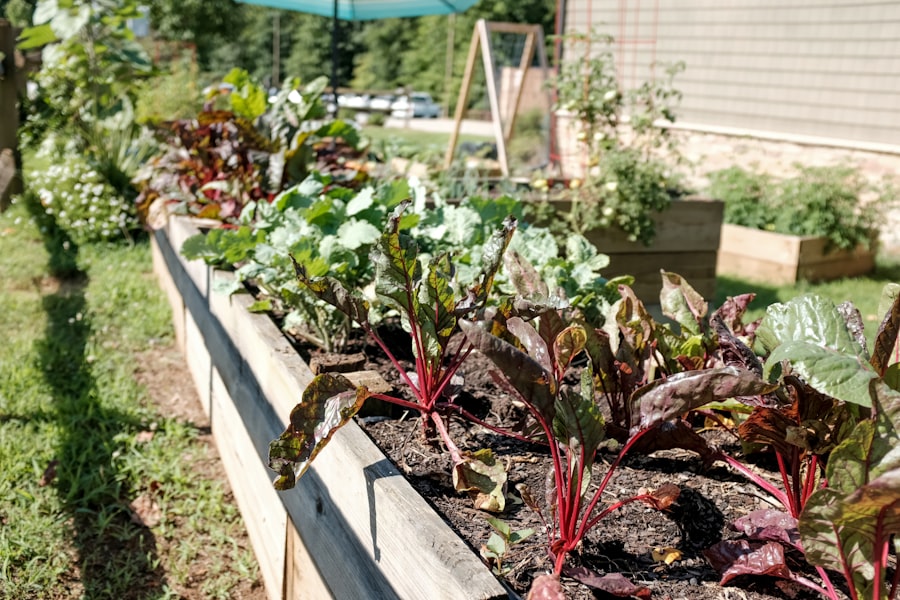
Designing your culinary landscape is an exciting opportunity to create a space that is both functional and aesthetically pleasing. Start by considering the layout of your garden. You might choose to create raised beds for easy access or opt for traditional in-ground planting.
Think about how much space you have available and how much time you can dedicate to maintenance. A well-planned garden can maximize productivity while minimizing effort. Incorporating elements such as pathways, seating areas, and decorative features can enhance the overall experience of your culinary landscape.
Pathways made from gravel or stepping stones can provide easy access to different sections of your garden while adding visual interest. A small seating area can serve as a peaceful retreat where you can relax and enjoy the fruits of your labor. Additionally, consider incorporating vertical gardening techniques, such as trellises or wall planters, to make the most of limited space while adding height and dimension to your garden design.
Preparing and Maintaining Your Soil
The foundation of any successful culinary garden lies in its soil. Preparing your soil properly is crucial for ensuring healthy plant growth and maximizing yields. Start by testing your soil to determine its pH level and nutrient content.
This information will guide you in making necessary amendments to create an optimal growing environment. You may need to add organic matter such as compost or well-rotted manure to improve soil structure and fertility. Once your soil is prepared, ongoing maintenance is essential for sustaining its health.
Regularly adding organic matter will help maintain nutrient levels while improving soil texture over time. Additionally, practicing crop rotation can prevent nutrient depletion and reduce the risk of pests and diseases. By being proactive about soil health, you’ll create a thriving environment for your culinary plants to flourish.
Watering and Fertilizing Your Culinary Garden
Watering is a critical aspect of maintaining a healthy culinary garden. Understanding the specific water needs of each plant is essential for preventing over- or under-watering. Most plants prefer consistent moisture but can suffer if left sitting in waterlogged soil.
A good rule of thumb is to water deeply but infrequently, allowing the top layer of soil to dry out between watering sessions. This encourages deep root growth and helps plants become more resilient. Fertilizing your garden is another important consideration for promoting healthy growth.
Organic fertilizers such as compost or fish emulsion can provide essential nutrients without the risk of chemical buildup in the soil. Timing is key; applying fertilizer at the beginning of the growing season will give your plants a strong start, while additional applications during peak growth periods can help sustain their vigor. By carefully managing both watering and fertilization, you’ll create an environment where your culinary plants can thrive.
Dealing with Pests and Diseases in Your Culinary Landscape
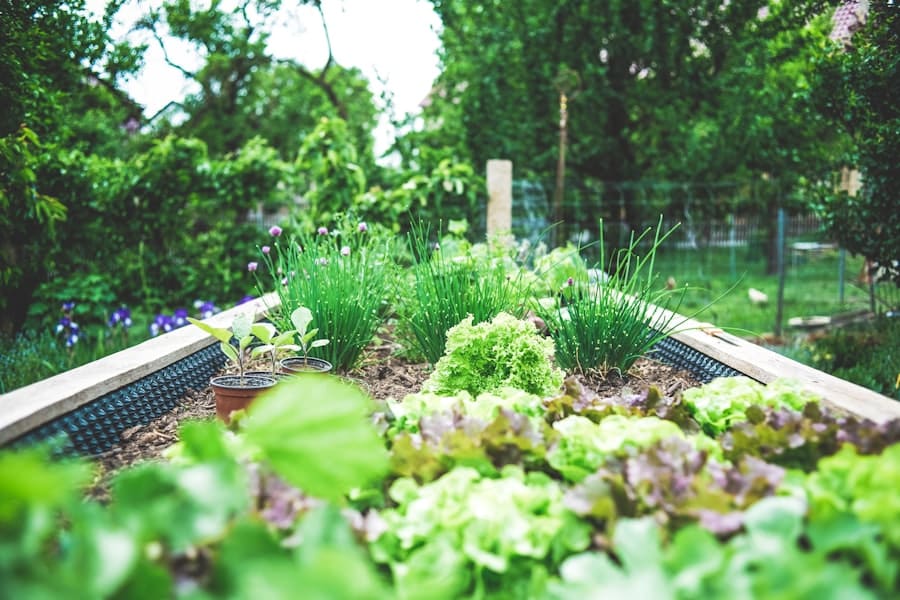
Pest management is an inevitable part of gardening that requires vigilance and proactive measures. Familiarizing yourself with common pests that may invade your culinary landscape will help you identify problems early on. Natural deterrents such as companion planting—growing certain plants together to repel pests—can be an effective strategy for keeping unwanted visitors at bay.
For example, planting marigolds alongside vegetables can deter aphids and nematodes. In addition to prevention strategies, being prepared to address diseases is crucial for maintaining a healthy garden. Regularly inspecting your plants for signs of disease—such as yellowing leaves or unusual spots—will allow you to take action before problems escalate.
If you do encounter disease issues, consider using organic treatments or removing affected plants promptly to prevent further spread. By staying vigilant and employing integrated pest management techniques, you can protect your culinary landscape from potential threats.
Harvesting and Preserving Your Culinary Garden’s Bounty
The moment you’ve been waiting for arrives when it’s time to harvest the fruits of your labor! Knowing when to pick your produce is key; harvesting at the right time ensures optimal flavor and texture. For instance, tomatoes should be picked when they are fully colored but still firm, while leafy greens are best harvested when they are young and tender.
Regular harvesting encourages continued production, so don’t hesitate to gather what’s ready! Once you’ve harvested your bounty, consider ways to preserve it for future enjoyment. Canning, freezing, or drying are all excellent methods for extending the life of your produce beyond the growing season.
For example, making homemade salsa from fresh tomatoes or drying herbs for seasoning can add unique flavors to your meals year-round. By preserving your harvest, you’ll not only reduce waste but also create delicious ingredients that remind you of summer long after the growing season has ended.
Incorporating Edible Flowers and Herbs into Your Culinary Landscape
Incorporating edible flowers and herbs into your culinary landscape adds both beauty and flavor to your dishes. Many flowers are not only visually stunning but also offer unique tastes that can elevate your cooking. Nasturtiums have a peppery flavor that pairs well with salads, while pansies add a touch of sweetness and vibrant color to desserts.
By planting these edible blooms alongside traditional vegetables and herbs, you’ll create a diverse garden that delights both the eyes and palate. Herbs are another essential component of any culinary garden. They not only enhance the flavor of dishes but also provide numerous health benefits.
Basil, rosemary, thyme, and mint are just a few examples of herbs that thrive in home gardens and can be used in various cuisines. Consider creating dedicated herb beds or interspersing them throughout your vegetable garden for easy access while cooking. The aromatic qualities of fresh herbs will transform even the simplest meals into gourmet experiences.
Creating a Sustainable Culinary Garden
Sustainability should be at the forefront of any culinary garden design. Implementing eco-friendly practices not only benefits the environment but also enhances the quality of your produce. Start by using organic seeds and avoiding synthetic pesticides or fertilizers that can harm beneficial insects and soil health.
Emphasizing biodiversity by planting a variety of species will create a balanced ecosystem that supports pollinators and natural pest control. Additionally, consider incorporating water-saving techniques such as drip irrigation or rainwater harvesting systems into your garden design. These methods not only conserve water but also ensure that your plants receive consistent moisture without waste.
By prioritizing sustainability in your culinary landscape, you’ll contribute positively to the environment while enjoying fresh produce grown with care.
Sharing Your Culinary Garden with Friends and Family
One of the most rewarding aspects of growing a culinary garden is sharing its bounty with others. Inviting friends and family over for a harvest party or cooking demonstration allows you to showcase what you’ve grown while fostering connections through food. Sharing recipes that highlight your homegrown ingredients can inspire others to explore gardening themselves or simply appreciate the flavors of fresh produce.
Consider creating gift baskets filled with seasonal vegetables or herbs as thoughtful presents for loved ones. Not only does this gesture promote healthy eating habits, but it also encourages others to appreciate the effort that goes into growing food sustainably. By sharing your culinary garden with those around you, you’ll cultivate a sense of community centered around food and wellness.
Enjoying the Fruits of Your Labor: Cooking with Your Homegrown Produce
Finally, there’s nothing quite like cooking with ingredients you’ve grown yourself! The flavors are often more vibrant than anything found at the store, making every meal feel special. Experimenting with new recipes using fresh produce allows you to explore different cuisines while showcasing what’s in season from your garden.
Consider hosting themed dinners where each course features ingredients from your culinary landscape—perhaps starting with a salad adorned with edible flowers followed by a main dish featuring roasted vegetables straight from the earth! The joy of sharing these meals with family and friends creates lasting memories centered around good food and good company. Ultimately, growing a culinary landscape enriches not only your palate but also your life as you savor every moment spent nurturing it.
If you’re interested in learning more about landscaping services, check out this article on The Landscaping Service’s website. They offer a variety of services to help you create the perfect outdoor space. Whether you need help with pest and disease control (link) or want to know how to replace your landscape (link), they have you covered. Check out their website for more information on how to transform your backyard into a beautiful culinary landscape.
FAQs
What is culinary landscaping?
Culinary landscaping is the practice of growing edible plants in a visually appealing and functional way, often incorporating them into the overall design of a garden or outdoor space.
What are the benefits of growing your own culinary landscape?
Growing your own culinary landscape allows you to have a fresh and readily available supply of herbs, fruits, and vegetables. It also promotes sustainability, reduces food miles, and can save money on grocery bills.
What are some common plants used in culinary landscaping?
Common plants used in culinary landscaping include herbs such as basil, rosemary, and thyme, as well as fruits and vegetables like tomatoes, peppers, and strawberries.
What are some tips for creating a culinary landscape in your backyard?
Some tips for creating a culinary landscape in your backyard include selecting a variety of plants that thrive in your climate, incorporating edible plants into existing landscaping, and considering the aesthetics of the plants when designing the layout.
What are some challenges of growing a culinary landscape?
Challenges of growing a culinary landscape may include pest management, soil quality, and finding the right balance of sunlight and water for different plants. Additionally, some edible plants may require specific care and maintenance.