
Landscape photography is a captivating art form that allows you to capture the beauty of the natural world. As you embark on this journey, you will find that it is not just about taking pictures; it’s about telling a story through the lens of your camera. Each photograph you take can evoke emotions, transport viewers to distant places, and inspire a sense of wonder about the environment.
Whether you are standing atop a mountain, gazing at a serene lake, or wandering through a dense forest, landscape photography invites you to connect with nature in profound ways. As you delve deeper into this genre, you will discover that landscape photography encompasses a wide range of subjects, from sweeping vistas to intimate details of flora and fauna. The beauty of this art form lies in its versatility; you can choose to focus on grand landscapes or the subtle intricacies of a single leaf.
With each click of the shutter, you have the opportunity to express your unique perspective and share your vision of the world around you. This introduction sets the stage for your exploration of techniques, equipment, and creative approaches that will elevate your landscape photography skills.
Key Takeaways
- Landscape photography captures the beauty of natural scenery, from mountains and forests to oceans and deserts.
- Composition is key in landscape photography, with elements like leading lines, rule of thirds, and framing enhancing the visual appeal of the image.
- The right equipment, such as a wide-angle lens and tripod, is essential for capturing the vastness and detail of landscapes.
- Natural light plays a crucial role in landscape photography, with the golden hours of sunrise and sunset creating stunning effects.
- Different seasons offer unique opportunities for landscape photography, from the vibrant colors of autumn to the serene snowscapes of winter.
Understanding the Importance of Composition
Composition is the backbone of any great photograph, and in landscape photography, it plays an even more critical role. As you frame your shot, consider how the elements within the scene interact with one another. The rule of thirds is a fundamental guideline that can help you create balanced and engaging images.
By dividing your frame into nine equal parts and placing key elements along these lines or at their intersections, you can draw the viewer’s eye into the photograph and create a sense of harmony. However, while rules can provide a solid foundation, don’t be afraid to break them when necessary. Experimenting with unconventional compositions can lead to striking results that capture the viewer’s attention.
For instance, placing your horizon line low in the frame can emphasize a dramatic sky, while a high horizon can highlight the foreground. As you practice, pay attention to leading lines, symmetry, and framing techniques that can enhance your images. The more you understand composition, the more effectively you can convey the mood and message of your landscape photographs.
Choosing the Right Equipment for Landscape Photography
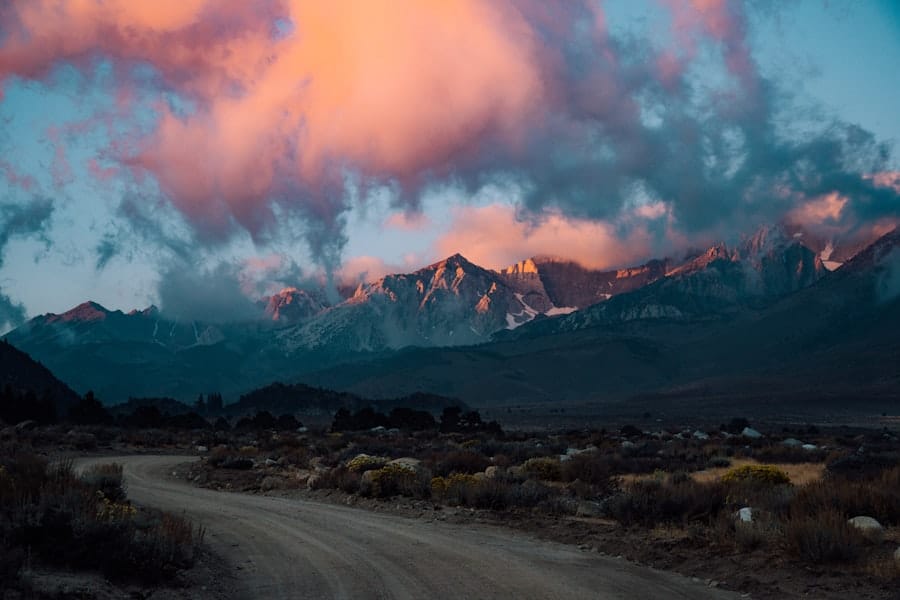
Selecting the right equipment is essential for achieving stunning landscape photographs. While it’s true that great images can be captured with any camera, investing in quality gear can significantly enhance your results. A DSLR or mirrorless camera with interchangeable lenses offers versatility and control over your shots.
Wide-angle lenses are particularly popular in landscape photography as they allow you to capture expansive scenes and create a sense of depth. In addition to your camera and lenses, consider other accessories that can elevate your photography experience. A sturdy tripod is invaluable for long exposures and low-light conditions, ensuring stability and sharpness in your images.
Filters, such as polarizers and neutral density filters, can help manage reflections and control light exposure, allowing for more dynamic shots. Ultimately, while equipment is important, remember that your creativity and vision are what truly define your landscape photography.
Utilizing Natural Light to Enhance Your Photos
Natural light is one of the most powerful tools at your disposal as a landscape photographer. The quality and direction of light can dramatically alter the mood and atmosphere of your images. Golden hour—the period shortly after sunrise or before sunset—offers soft, warm light that enhances colors and adds depth to your photographs.
During this time, shadows become elongated, creating interesting textures and contrasts that can elevate your compositions. Conversely, midday light can be harsh and unflattering for landscapes. However, this doesn’t mean you should avoid shooting during these hours altogether.
Instead, look for opportunities to capture unique aspects of the landscape that may be illuminated by direct sunlight or explore areas where shadows create dramatic effects. Understanding how to work with different lighting conditions will empower you to create compelling images regardless of the time of day.
Capturing the Essence of Different Seasons in Your Landscape
Each season brings its own unique beauty to the landscape, offering endless opportunities for creative expression. As you explore landscape photography throughout the year, take note of how colors, textures, and light change with each season. In spring, vibrant blooms and fresh greenery create a sense of renewal and vitality.
Summer landscapes are often characterized by lush foliage and bright skies, inviting you to capture scenes filled with life. Autumn presents a stunning palette of warm hues as leaves change color, providing a rich backdrop for your photographs. Winter landscapes offer a serene beauty with their stark contrasts and soft blankets of snow.
Each season tells its own story; by capturing these changes through your lens, you can convey the essence of nature’s cycles and invite viewers to experience the world as you see it.
Finding the Perfect Location for Your Landscape Photography
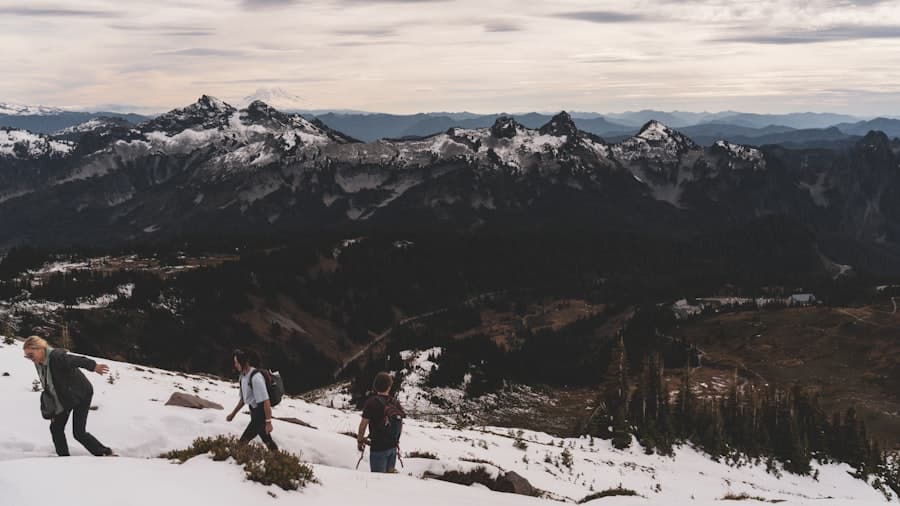
The location you choose for your landscape photography can make all the difference in the world. Researching potential sites ahead of time allows you to scout out areas that align with your vision and style. National parks, coastal regions, mountains, and rural landscapes all offer unique opportunities for stunning photographs.
Consider what type of scenery resonates with you—whether it’s dramatic cliffs overlooking the ocean or tranquil meadows dotted with wildflowers. Once you’ve identified potential locations, take time to explore them thoroughly. Visit during different times of day and in varying weather conditions to see how light interacts with the landscape.
Sometimes the most unexpected places yield breathtaking results; don’t hesitate to venture off the beaten path in search of hidden gems. By immersing yourself in diverse environments, you’ll develop a deeper appreciation for nature’s beauty and find inspiration for your photography.
Techniques for Capturing Dynamic Landscapes
To create dynamic landscapes that captivate viewers, consider employing various techniques that add depth and interest to your images. One effective method is incorporating foreground elements into your compositions. By including rocks, flowers, or other objects in the foreground, you create layers within your photograph that draw the viewer’s eye into the scene.
Another technique is using long exposure photography to capture movement in landscapes. This approach works particularly well with flowing water or clouds; by using a slow shutter speed, you can create a dreamy effect that adds a sense of motion to your images. Experimenting with different techniques will not only enhance your skills but also allow you to develop a unique style that reflects your artistic vision.
Editing and Enhancing Your Landscape Photos
Post-processing is an essential part of modern landscape photography that allows you to refine your images further. While it’s important to capture great shots in-camera, editing provides an opportunity to enhance colors, contrast, and sharpness to achieve your desired look. Software like Adobe Lightroom or Photoshop offers powerful tools for adjusting exposure levels, correcting colors, and applying filters.
When editing your landscape photos, aim for a natural look that enhances rather than over-processes your images. Subtle adjustments can make a significant difference; consider fine-tuning highlights and shadows or adjusting white balance to bring out the true colors of the scene. Remember that editing is an extension of your creative process—use it to express your vision while maintaining authenticity in your work.
Tips for Creating Stunning Panoramic Shots
Panoramic shots are an excellent way to capture expansive landscapes in all their glory. To create stunning panoramas, start by selecting a scene that lends itself well to this format—look for wide vistas or dramatic horizons that invite exploration. When shooting panoramas, use a tripod for stability and ensure that each frame overlaps slightly with the previous one; this will make stitching them together in post-processing much easier.
Consider using a panoramic head on your tripod for precise alignment when capturing multiple images. This tool allows you to rotate your camera around its nodal point, minimizing distortion in the final image. Once you’ve captured all necessary frames, use editing software to stitch them together seamlessly.
The result will be a breathtaking panoramic shot that showcases the beauty of the landscape in an immersive way.
Using Filters to Enhance Your Landscape Photography
Filters are invaluable tools in landscape photography that can help you achieve stunning results directly in-camera. A polarizing filter is particularly useful for reducing glare from water surfaces and enhancing colors in the sky and foliage. By rotating the filter while looking through your viewfinder, you can see how it affects reflections and saturation—this allows you to make informed decisions about how best to capture the scene.
Neutral density (ND) filters are another essential accessory for landscape photographers. These filters reduce the amount of light entering your lens without affecting color balance, enabling longer exposure times even in bright conditions. This is especially beneficial when photographing waterfalls or seascapes where you want to create smooth motion effects in water while maintaining detail in other areas of the image.
Preserving the Beauty of Your Outdoor Haven through Photography
As a landscape photographer, you have a unique opportunity to preserve the beauty of nature through your lens while also raising awareness about environmental conservation. Each photograph serves as a reminder of the wonders our planet has to offer and encourages others to appreciate and protect these natural spaces. By sharing your work on social media or through exhibitions, you can inspire others to connect with nature and advocate for its preservation.
Moreover, consider participating in local conservation efforts or initiatives aimed at protecting natural habitats. Your passion for landscape photography can be a powerful tool for promoting environmental stewardship within your community. By capturing stunning images that highlight both beauty and fragility, you contribute not only to art but also to a greater cause—ensuring that future generations can experience the same awe-inspiring landscapes that inspire you today.
In conclusion, landscape photography is an enriching pursuit that combines technical skill with artistic expression. By understanding composition, utilizing natural light effectively, choosing appropriate equipment, and exploring various techniques, you can elevate your photography to new heights. Embrace each season’s unique beauty while seeking out diverse locations that inspire creativity within you.
With practice and dedication, you’ll not only capture breathtaking landscapes but also foster a deeper connection with nature itself.
If you are looking to enhance the beauty of your outdoor space before capturing it through landscape photography, you may want to consider hiring a professional landscaping service. Companies like Indianapolis Landscaping Service, Denver Landscaping Service, and Phoenix Landscaping Service can help transform your outdoor haven into a picturesque paradise. By investing in professional landscaping, you can create the perfect backdrop for your landscape photography endeavors.
FAQs
What is landscape photography?
Landscape photography is a genre of photography that captures the natural beauty of the outdoors, including landscapes, mountains, rivers, forests, and other natural elements.
What equipment is needed for landscape photography?
Common equipment for landscape photography includes a digital camera, wide-angle lens, tripod, filters, and remote shutter release. Additionally, some photographers may use drones for aerial shots.
What are some tips for capturing stunning landscape photos?
Some tips for capturing stunning landscape photos include scouting locations, paying attention to lighting and weather conditions, using a tripod for stability, and experimenting with different compositions and angles.
How can I improve my landscape photography skills?
Improving landscape photography skills can be achieved through practice, studying the work of other photographers, learning about composition and lighting techniques, and experimenting with different camera settings.
What are some popular locations for landscape photography?
Popular locations for landscape photography include national parks, mountains, coastlines, deserts, and other natural landmarks. Each location offers unique opportunities for capturing stunning landscapes.