
When you embark on the journey of floral arrangements, it’s essential to grasp the fundamental principles that govern this art form. At its core, floral arrangement is about creating a harmonious composition that captivates the eye and evokes emotion. You’ll want to familiarize yourself with the basic elements: line, form, space, texture, and color.
Each of these components plays a crucial role in how your arrangement will be perceived. For instance, the line can guide the viewer’s eye through the arrangement, while the form gives it structure and shape. Understanding these basics will provide you with a solid foundation upon which to build your skills.
As you delve deeper into floral design, you’ll discover that balance and proportion are equally important. Balance can be achieved through symmetrical or asymmetrical arrangements, depending on the effect you wish to create. Symmetrical arrangements offer a sense of order and stability, while asymmetrical designs can introduce a dynamic and modern feel.
Proportion, on the other hand, refers to the relationship between the size of the flowers and the container or space they occupy. By mastering these basics, you’ll be well on your way to creating stunning floral displays that reflect your personal style.
Key Takeaways
- Understanding the basics of floral arrangements is essential for creating beautiful and balanced designs.
- Choosing the right flowers for your garden involves considering factors such as climate, soil type, and sunlight exposure.
- Creating a color scheme for your flower arrangements can help achieve a cohesive and visually appealing look.
- Incorporating different textures and shapes in your floral arrangements adds depth and visual interest.
- Utilizing foliage and greenery can enhance the overall look of your flower arrangements and provide a natural and organic feel.
Choosing the Right Flowers for Your Garden
Selecting the right flowers for your garden is a crucial step in ensuring that your floral arrangements are vibrant and full of life. You should consider factors such as climate, soil type, and sunlight exposure when making your choices. For instance, if you live in a region with a hot climate, opting for drought-resistant varieties like succulents or lavender can be beneficial.
Conversely, if your garden receives ample sunlight, you might explore sun-loving flowers like sunflowers or zinnias that thrive in bright conditions. Additionally, think about the blooming seasons of the flowers you choose. By selecting a mix of early, mid, and late-blooming varieties, you can create a garden that offers continuous color throughout the year.
This not only enhances the visual appeal of your garden but also provides you with a steady supply of fresh flowers for your arrangements. Don’t hesitate to experiment with different types of flowers; mixing perennials with annuals can create a dynamic landscape that evolves over time.
Creating a Color Scheme for Your Flower Arrangements
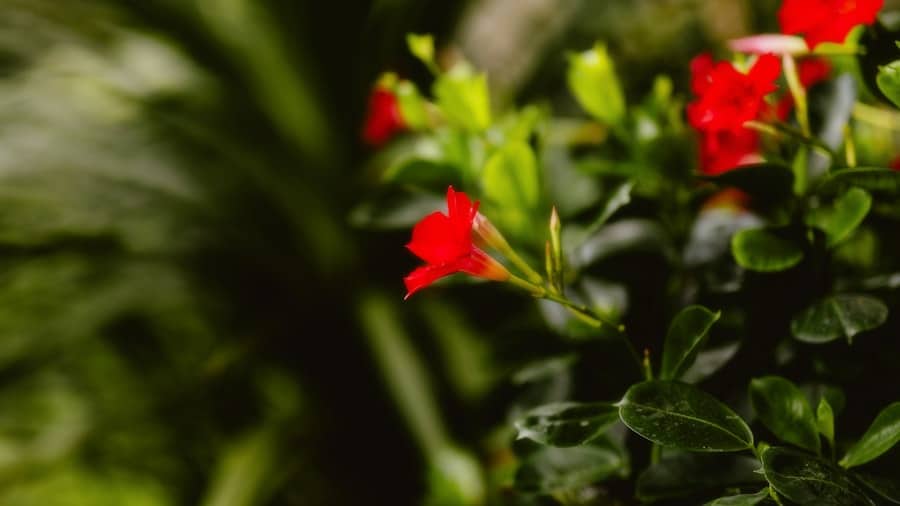
Color plays a pivotal role in floral arrangements, influencing mood and setting the tone for any occasion. When creating a color scheme, consider the emotions you want to evoke. Warm colors like reds, oranges, and yellows can create a sense of energy and excitement, while cool colors such as blues and purples tend to evoke calmness and tranquility.
You might find it helpful to use a color wheel as a guide; complementary colors (those opposite each other on the wheel) can create striking contrasts, while analogous colors (those next to each other) offer a more harmonious look. As you experiment with color combinations, don’t forget about the importance of neutrals. Whites, creams, and greens can serve as excellent fillers that allow brighter colors to pop without overwhelming the arrangement.
You may also want to consider seasonal palettes; for example, autumn arrangements often feature rich oranges and deep reds, while spring displays might lean towards pastel hues. By thoughtfully selecting your color scheme, you can create arrangements that not only look beautiful but also resonate with the intended atmosphere.
Incorporating Different Textures and Shapes
Incorporating various textures and shapes into your floral arrangements adds depth and interest to your designs. When selecting flowers, think about how their unique textures can complement one another. For instance, pairing soft petals with spiky foliage or smooth blooms with rough-textured branches can create a visually engaging contrast.
This interplay of textures invites viewers to explore your arrangement more closely and appreciate its complexity. Shapes also play a significant role in creating dynamic arrangements. You might choose round blooms for a classic look or opt for elongated flowers for a more contemporary feel.
Additionally, consider using different heights and sizes within your arrangement; this variation can draw the eye upward and create a sense of movement. By thoughtfully combining textures and shapes, you’ll elevate your floral designs from simple bouquets to captivating works of art.
Utilizing Foliage and Greenery
Foliage and greenery are often overlooked in floral arrangements, yet they are essential components that can enhance your designs significantly. Greenery provides a backdrop that allows flowers to shine while adding depth and fullness to your arrangements. When selecting foliage, consider using a variety of leaves—some broad and flat, others slender and wispy—to create visual interest.
You might also explore different shades of green; darker greens can add richness, while lighter greens can bring freshness. In addition to traditional leaves, think about incorporating unique foliage such as ferns or eucalyptus for added texture and fragrance. These elements not only enhance the aesthetic appeal but also contribute to the overall sensory experience of your arrangement.
Remember that foliage can also serve practical purposes; it can help support flower stems and fill gaps in your design. By skillfully utilizing greenery, you’ll create arrangements that are lush and inviting.
Selecting the Right Vessels and Containers
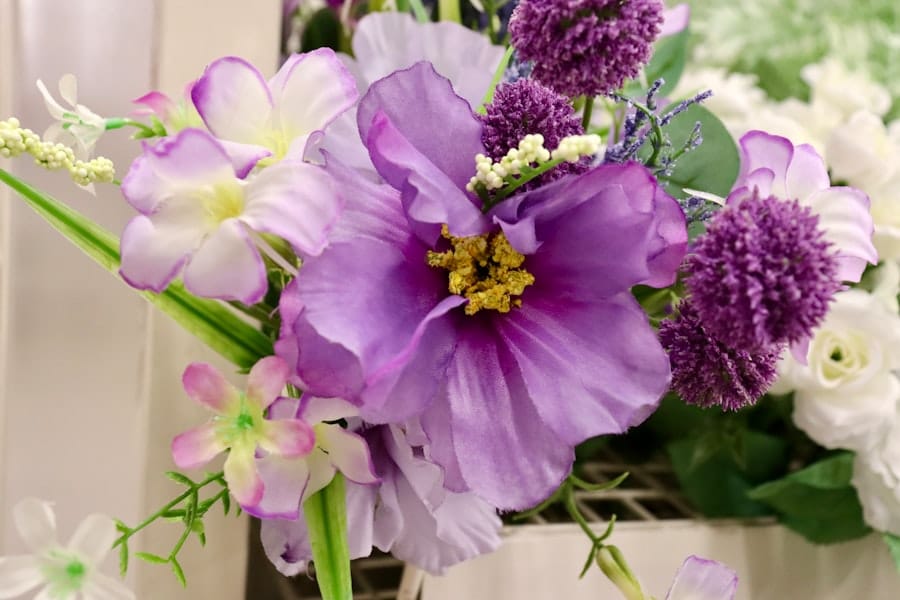
The vessel or container you choose for your floral arrangement is just as important as the flowers themselves. The right container can enhance your design while providing necessary support for the stems. When selecting a vessel, consider its size, shape, and material.
A tall vase may be ideal for long-stemmed flowers like lilies or gladiolus, while a shallow bowl might work better for low arrangements featuring succulents or short-stemmed blooms. Additionally, think about how the container’s color and texture will complement your flower choices. A rustic ceramic pot may pair beautifully with wildflowers, while a sleek glass vase could enhance modern arrangements featuring bold colors.
Don’t shy away from experimenting with unconventional containers; items like teacups or wooden crates can add character and charm to your displays. By carefully selecting your vessels, you’ll elevate your floral arrangements to new heights.
Mastering Different Arrangement Styles
Floral arrangement styles vary widely, each offering unique characteristics that can influence the overall look of your design. Familiarizing yourself with different styles will allow you to choose one that aligns with your vision or occasion. For instance, traditional arrangements often feature symmetrical designs with classic flower choices like roses or lilies arranged in a balanced manner.
This style is perfect for formal events such as weddings or anniversaries. On the other hand, if you prefer a more contemporary approach, consider exploring freeform or asymmetrical styles that embrace organic shapes and unexpected combinations of flowers. These arrangements often reflect a more casual aesthetic and can be ideal for everyday displays or informal gatherings.
By mastering various arrangement styles, you’ll have the flexibility to adapt your designs to suit any occasion or personal preference.
Understanding Proportion and Balance
Proportion and balance are fundamental principles in floral design that ensure your arrangements are visually appealing and cohesive. Proportion refers to the relationship between different elements within your arrangement—such as flower size relative to container size—while balance involves distributing visual weight evenly throughout the design. Achieving balance can be done through symmetrical arrangements where elements mirror each other or asymmetrical designs where visual weight is distributed unevenly yet harmoniously.
To maintain proportion in your arrangements, consider using larger blooms as focal points surrounded by smaller flowers or filler elements. This technique creates depth while ensuring that no single element overwhelms the others. Additionally, pay attention to how height plays into balance; taller elements should be placed strategically to avoid tipping the arrangement visually.
By understanding these principles, you’ll create floral designs that are not only beautiful but also expertly crafted.
Tips for Caring and Maintaining Your Flower Arrangements
Once you’ve created stunning floral arrangements, it’s essential to care for them properly to ensure they last as long as possible. Start by trimming the stems at an angle before placing them in water; this allows for better water absorption. Be sure to remove any leaves that will sit below the waterline to prevent bacterial growth that could shorten their lifespan.
Regularly changing the water every few days will also help keep your flowers fresh. In addition to water care, consider placing your arrangements in areas away from direct sunlight or heat sources that could cause wilting. If possible, misting the flowers lightly can provide added hydration without over-saturating them.
Finally, keep an eye out for any wilting blooms; removing them promptly will not only improve the appearance of your arrangement but also help maintain the health of the remaining flowers.
Incorporating Seasonal and Local Flowers
Incorporating seasonal and local flowers into your arrangements not only enhances their beauty but also supports sustainable practices within your community. Seasonal flowers are often fresher and more vibrant since they are harvested at their peak bloom times. By choosing flowers that are in season in your area, you’ll also reduce transportation costs and environmental impact associated with importing out-of-season varieties.
Local flower markets or farms often offer unique blooms that may not be available in larger retail stores. Exploring these options allows you to discover new varieties while supporting local growers. Additionally, seasonal flowers often carry cultural significance tied to specific holidays or events; incorporating these blooms into your arrangements can add layers of meaning to your designs.
Showcasing Your Flower Arrangements in Your Garden
Once you’ve mastered the art of floral arrangements, showcasing them in your garden can create an enchanting atmosphere that draws visitors in. Consider placing arrangements in strategic locations where they can be easily admired—such as near seating areas or pathways—allowing guests to appreciate their beauty up close. You might also experiment with different heights by using pedestals or hanging arrangements from trees or hooks.
Incorporating flower arrangements into outdoor spaces allows you to blend nature with artistry seamlessly. Consider using containers that complement your garden’s overall aesthetic; rustic pots may suit a cottage garden style while sleek glass vases could enhance a modern landscape design. By thoughtfully displaying your floral creations within your garden setting, you’ll create an inviting environment that celebrates both nature’s beauty and your artistic flair.
If you’re looking to enhance the beauty of your garden beyond just flower arrangements, consider incorporating mulch and soil amendments. These elements can greatly improve the health and appearance of your plants. Check out this article on mulch and soil amendments to learn more about how to take your garden to the next level.
FAQs
What is floral elegance?
Floral elegance refers to the art of creating beautiful and harmonious flower arrangements using a variety of blooms, foliage, and other natural elements.
What are the benefits of mastering the art of flower arrangements in your garden?
Mastering the art of flower arrangements in your garden allows you to create stunning displays of natural beauty, enhance the aesthetic appeal of your outdoor space, and enjoy the therapeutic benefits of working with flowers and plants.
What are some essential tips for mastering the art of flower arrangements in your garden?
Some essential tips for mastering the art of flower arrangements in your garden include selecting the right combination of flowers and foliage, paying attention to color, texture, and form, and using proper techniques for cutting and arranging the flowers.
What are some popular flower arrangement styles for gardens?
Popular flower arrangement styles for gardens include traditional English garden arrangements, modern and minimalist designs, wildflower-inspired bouquets, and Japanese-inspired ikebana arrangements.
What are some common mistakes to avoid when creating flower arrangements in your garden?
Common mistakes to avoid when creating flower arrangements in your garden include using too many different types of flowers, neglecting the importance of foliage, and overlooking the importance of proper care and maintenance for the flowers and plants used in the arrangements.