
Soil erosion is a natural process that can have devastating effects on the environment, agriculture, and landscaping. As you navigate through your gardening or landscaping endeavors, understanding soil erosion control becomes essential. Erosion occurs when wind, water, or human activity displaces soil particles, leading to the degradation of land and loss of fertile topsoil.
This not only affects the aesthetic appeal of your landscape but also impacts the health of plants and the overall ecosystem. By implementing effective soil erosion control measures, you can protect your landscape from these adverse effects and promote a sustainable environment. In your quest for a beautiful and thriving landscape, recognizing the signs of soil erosion is crucial.
You may notice bare patches, sediment buildup in unwanted areas, or even the gradual decline of plant health. These indicators signal that your soil is at risk and that immediate action is necessary. By taking proactive steps to control erosion, you can preserve the integrity of your landscape while enhancing its beauty and functionality.
This article will guide you through various strategies and techniques to effectively manage soil erosion, ensuring that your outdoor space remains vibrant and resilient.
Key Takeaways
- Soil erosion control is essential for maintaining the health and stability of landscapes.
- Proper drainage systems are crucial for preventing soil erosion and water damage.
- Choosing the right plants for erosion control can help stabilize soil and prevent erosion.
- Installing retaining walls and terracing can help prevent soil erosion on sloped landscapes.
- Utilizing mulch, ground cover, erosion control blankets, and mats can help protect soil from erosion and promote healthy plant growth.
Importance of Soil Erosion Control in Landscaping
The significance of soil erosion control in landscaping cannot be overstated. As you cultivate your garden or maintain your yard, you may not realize that soil erosion can lead to a host of problems, including nutrient depletion, reduced water retention, and increased runoff. These issues can compromise the health of your plants and lead to costly repairs or replanting efforts.
By prioritizing soil erosion control, you not only protect your investment but also contribute to a healthier ecosystem. Moreover, effective erosion control enhances the aesthetic appeal of your landscape. When soil is eroded, it can create unsightly gullies and bare patches that detract from the overall beauty of your outdoor space.
By implementing erosion control measures, you can maintain a lush and inviting environment that showcases your gardening efforts. Additionally, controlling erosion helps prevent sediment from entering local waterways, which can lead to pollution and harm aquatic life. By taking responsibility for your landscape, you play a vital role in promoting environmental sustainability.
Choosing the Right Plants for Erosion Control
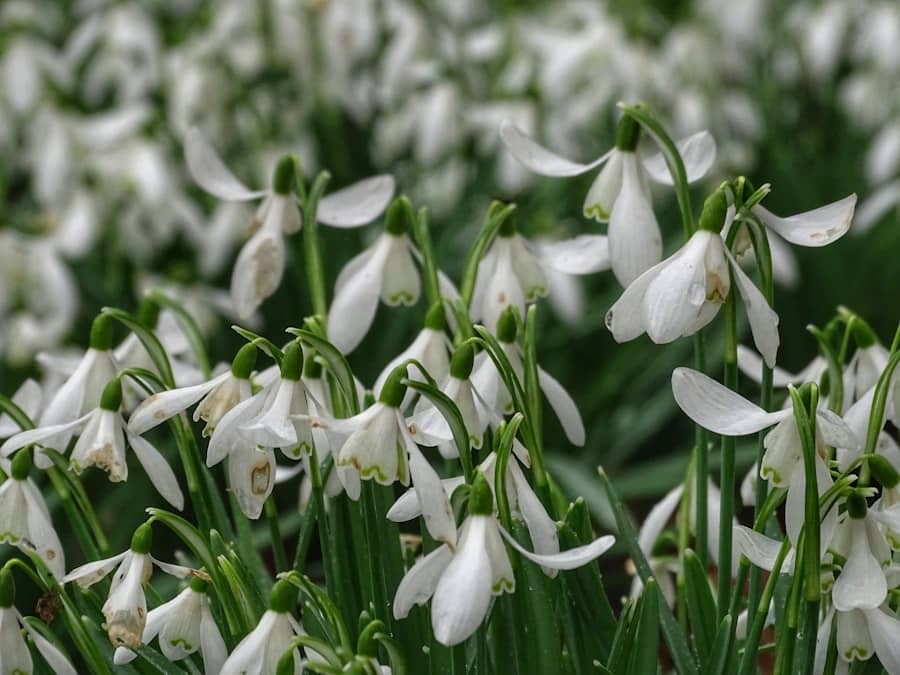
Selecting the appropriate plants for erosion control is a fundamental step in safeguarding your landscape. Native plants are often the best choice, as they are adapted to local conditions and require less maintenance. When you choose plants with deep root systems, you enhance soil stability and reduce the risk of erosion.
Grasses, shrubs, and ground covers can all play a significant role in anchoring soil in place while providing visual interest to your landscape. In addition to native plants, consider incorporating a variety of species to create a diverse ecosystem. This diversity not only enhances the resilience of your landscape but also attracts beneficial insects and wildlife.
As you plan your garden layout, think about how different plants can work together to prevent erosion while creating a harmonious design. By carefully selecting plants that thrive in your specific environment, you can establish a robust barrier against soil erosion while enjoying the beauty they bring to your outdoor space.
Implementing Proper Drainage Systems
Effective drainage systems are crucial for managing water flow and preventing soil erosion in your landscape. As you assess your property, consider how water moves across the terrain during rainfall or irrigation. Poor drainage can lead to water pooling in certain areas, which increases the likelihood of erosion.
By implementing proper drainage solutions, you can redirect water flow away from vulnerable areas and protect your soil. There are various drainage options available, including French drains, swales, and dry wells. Each system serves a specific purpose and can be tailored to meet the unique needs of your landscape.
For instance, swales are shallow ditches designed to slow down water flow while allowing it to infiltrate the soil gradually. On the other hand, French drains consist of perforated pipes that collect excess water and direct it away from critical areas. By investing time and resources into an effective drainage system, you can significantly reduce the risk of soil erosion while promoting healthy plant growth.
Installing Retaining Walls and Terracing
Retaining walls and terracing are effective structural solutions for controlling soil erosion on sloped landscapes. If you have a hilly or uneven yard, these features can help stabilize the soil while creating visually appealing levels in your garden. Retaining walls act as barriers that hold back soil and prevent it from sliding down slopes during heavy rainfall or irrigation.
Terracing involves creating flat areas on a slope by cutting into the hillside and building retaining walls between each level. This technique not only reduces erosion but also allows for more efficient water management and planting opportunities. As you consider these options for your landscape, think about how they can enhance both functionality and aesthetics.
With careful planning and execution, retaining walls and terracing can transform challenging slopes into beautiful garden spaces while effectively controlling soil erosion.
Utilizing Mulch and Ground Cover

Mulch and ground cover are essential tools in your arsenal for preventing soil erosion. When applied correctly, mulch acts as a protective layer over the soil surface, reducing the impact of raindrops on bare soil and minimizing runoff. Organic mulches, such as wood chips or straw, also improve soil health as they decompose over time, adding nutrients back into the earth.
Ground cover plants serve a dual purpose: they stabilize the soil with their root systems while providing an attractive green carpet that enhances your landscape’s visual appeal. Low-growing plants like creeping thyme or clover can effectively cover bare patches while preventing weeds from taking hold. As you incorporate mulch and ground cover into your landscaping strategy, you’ll find that these elements not only combat erosion but also contribute to a thriving ecosystem that supports healthy plant growth.
Incorporating Erosion Control Blankets and Mats
Erosion control blankets and mats are innovative solutions designed to protect vulnerable areas from erosion while promoting vegetation growth. These products are typically made from biodegradable materials or synthetic fibers that provide a protective layer over exposed soil. When you install these blankets or mats on slopes or newly seeded areas, they help retain moisture while preventing soil displacement caused by wind or water.
As you consider incorporating erosion control blankets into your landscaping efforts, look for products that suit your specific needs. Some blankets are designed for temporary use during establishment periods, while others provide long-term protection for more challenging environments. By utilizing these materials effectively, you can create a stable foundation for plant growth while minimizing the risk of erosion in critical areas.
Implementing Hydroseeding Techniques
Hydroseeding is an effective method for establishing vegetation on eroded or bare areas quickly. This technique involves mixing seeds with water, mulch, fertilizer, and other additives before spraying the mixture onto the desired surface. As you explore hydroseeding options for your landscape, you’ll find that this method promotes rapid germination while providing protection against erosion.
One of the key benefits of hydroseeding is its ability to cover large areas efficiently. Whether you’re addressing a steep slope or restoring a damaged section of your yard, hydroseeding allows for even distribution of seeds while ensuring they remain in place during rainfall events. Additionally, this technique helps retain moisture in the soil, which is crucial for seed germination and establishment.
By incorporating hydroseeding into your erosion control strategy, you can achieve quick results while enhancing the overall health of your landscape.
Utilizing Silt Fences and Erosion Control Netting
Silt fences and erosion control netting are practical tools for managing sediment runoff during construction or landscaping projects. If you’re undertaking significant changes to your property, these barriers can help contain sediment within designated areas while allowing water to flow through without carrying away valuable topsoil. As you plan your project, consider how these materials can protect both your landscape and surrounding environments.
Silt fences are typically made from geotextile fabric supported by wooden stakes or metal posts. They create a barrier that captures sediment while allowing water to pass through freely. Erosion control netting serves a similar purpose but is often used in conjunction with newly seeded areas to provide additional support until vegetation establishes itself.
By utilizing these tools effectively during construction or landscaping activities, you can minimize erosion risks while promoting responsible land management practices.
Implementing Proper Maintenance Practices
Maintaining effective soil erosion control measures is essential for long-term success in landscaping. As you implement various strategies to combat erosion, regular maintenance will ensure that these efforts remain effective over time. This includes monitoring plant health, checking drainage systems for blockages, and replacing any damaged materials such as silt fences or erosion control blankets.
Additionally, consider seasonal maintenance tasks such as reapplying mulch or adjusting ground cover as needed to promote healthy growth. Regularly inspecting slopes for signs of erosion will allow you to address any issues before they escalate into larger problems. By committing to ongoing maintenance practices, you’ll not only protect your landscape from erosion but also foster an environment where plants can thrive.
Conclusion and Importance of Professional Landscaping Services in Soil Erosion Control
In conclusion, understanding and implementing effective soil erosion control measures is vital for maintaining a healthy landscape. From choosing the right plants to installing drainage systems and utilizing innovative techniques like hydroseeding, there are numerous strategies available to combat erosion effectively. However, navigating these options can be complex and time-consuming.
This is where professional landscaping services come into play. By enlisting the expertise of trained professionals, you can ensure that your erosion control efforts are tailored to meet the specific needs of your property. They possess the knowledge and experience necessary to assess your landscape’s unique challenges and recommend appropriate solutions that align with your goals.
Investing in professional landscaping services not only enhances the beauty of your outdoor space but also protects it from the damaging effects of soil erosion for years to come.
Landscaping services play a crucial role in addressing concerns about soil erosion control. One related article that delves into this topic further can be found on thelandscapingservice.com. This article discusses the importance of proper landscaping techniques in preventing soil erosion and maintaining the health of the environment. By implementing measures such as planting native vegetation, installing retaining walls, and creating proper drainage systems, landscaping services can effectively combat soil erosion and preserve the integrity of the land.
FAQs
What is soil erosion control?
Soil erosion control refers to the methods and techniques used to prevent the loss of topsoil and nutrients from the land due to water, wind, or human activities.
What measures do landscaping services take to address concerns about soil erosion control?
Landscaping services may take several measures to address concerns about soil erosion control, including planting ground cover, installing retaining walls, creating swales and berms, using erosion control blankets, and implementing proper drainage systems.
How does planting ground cover help with soil erosion control?
Planting ground cover, such as grasses, shrubs, and trees, helps to stabilize the soil and prevent erosion by reducing the impact of raindrops, slowing down water runoff, and promoting the infiltration of water into the soil.
What are retaining walls and how do they help with soil erosion control?
Retaining walls are structures built to hold back soil and prevent it from eroding. They help with soil erosion control by providing support to sloping landscapes and preventing the loss of soil due to gravity and water runoff.
What are swales and berms and how do they help with soil erosion control?
Swales are shallow, vegetated channels designed to slow and redirect the flow of water, while berms are raised mounds of soil. Both swales and berms help with soil erosion control by capturing and filtering water, reducing its erosive force, and promoting infiltration into the soil.
What are erosion control blankets and how do they help with soil erosion control?
Erosion control blankets are materials, such as straw, coconut fiber, or synthetic fabrics, that are placed on the soil surface to protect it from erosion by wind and water. They help with soil erosion control by stabilizing the soil, reducing surface runoff, and promoting the establishment of vegetation.
Why is proper drainage important for soil erosion control?
Proper drainage is important for soil erosion control because it helps to manage the flow of water, prevent waterlogging, and reduce the risk of erosion. It also promotes the infiltration of water into the soil, which helps to maintain soil structure and fertility.