
As you step outside, the weather can dramatically influence the appearance and functionality of your outdoor space. From the scorching sun to heavy rain, each element plays a crucial role in how your garden or yard thrives. Understanding these impacts is essential for creating a landscape that not only looks beautiful but also withstands the test of time.
For instance, prolonged exposure to intense sunlight can lead to soil erosion, while heavy rainfall can cause flooding and waterlogging, both of which can damage your plants and hardscaping features. Moreover, seasonal changes can affect your outdoor space in various ways. In winter, frost can damage delicate plants, while summer heat can stress them out.
By observing these patterns, you can make informed decisions about what to plant and how to care for your landscape. This awareness allows you to create a resilient outdoor environment that adapts to changing weather conditions, ensuring that your space remains vibrant and inviting throughout the year.
Key Takeaways
- Understanding the impact of weather on your outdoor space is crucial for effective landscape design and maintenance.
- Choosing resilient plants and trees can help your landscape withstand extreme weather conditions and thrive in challenging environments.
- Implementing proper drainage and irrigation systems is essential for preventing water damage and maintaining healthy plants.
- Incorporating hardscaping elements such as stone pathways and retaining walls can add durability and structure to your outdoor space.
- Creating windbreaks and sheltered areas can provide protection from harsh winds and create a more comfortable outdoor environment.
Choosing Resilient Plants and Trees for Your Landscape
When it comes to selecting plants and trees for your landscape, resilience should be at the forefront of your decision-making process. Opting for native species is often a wise choice, as these plants are naturally adapted to your local climate and soil conditions. They require less maintenance and are more likely to thrive without excessive watering or fertilization.
By choosing resilient plants, you not only enhance the beauty of your outdoor space but also contribute to local biodiversity. In addition to native plants, consider incorporating drought-resistant varieties that can withstand periods of low rainfall. These plants often have deep root systems that allow them to access moisture from deeper soil layers, making them ideal for fluctuating weather patterns.
By diversifying your plant selection with resilient species, you create a landscape that is not only visually appealing but also capable of enduring the challenges posed by changing weather conditions.
Implementing Proper Drainage and Irrigation Systems

Effective drainage and irrigation systems are vital components of a well-designed outdoor space. Poor drainage can lead to water accumulation, which can suffocate plant roots and create an environment conducive to pests and diseases. To prevent these issues, consider installing a drainage system that directs excess water away from your garden beds and hardscaping features.
This could involve grading your landscape or incorporating French drains to manage water flow effectively. On the other hand, an efficient irrigation system ensures that your plants receive the right amount of water without waste. Drip irrigation systems are particularly beneficial as they deliver water directly to the root zone, minimizing evaporation and runoff.
By implementing these systems, you not only protect your plants from extreme weather events but also conserve water, making your landscape more sustainable in the long run.
Incorporating Hardscaping Elements for Durability
Hardscaping elements such as patios, walkways, and retaining walls play a significant role in enhancing the durability of your outdoor space. These features provide structure and functionality while also contributing to the overall aesthetic appeal of your landscape. When selecting materials for hardscaping, prioritize durability and weather resistance.
For instance, natural stone or high-quality pavers can withstand harsh weather conditions better than cheaper alternatives. Incorporating hardscaping elements also helps manage soil erosion and water runoff. Retaining walls can stabilize slopes and prevent soil from washing away during heavy rains, while pathways can guide water flow away from vulnerable areas of your garden.
By thoughtfully integrating hardscaping into your landscape design, you create a resilient outdoor space that can endure the elements while providing a beautiful setting for relaxation and entertainment.
Creating Windbreaks and Sheltered Areas
Wind can be one of the most damaging forces affecting your outdoor space, especially during storms or high winds. Creating windbreaks using trees or shrubs can significantly reduce wind speed and protect more delicate plants from damage. Strategically placing these barriers around your garden not only shields your plants but also creates sheltered areas where you can enjoy your outdoor space even on breezy days.
In addition to natural windbreaks, consider incorporating structures such as pergolas or trellises that provide additional shelter from the elements. These features can create cozy nooks for relaxation while also supporting climbing plants that add beauty and greenery to your landscape. By thoughtfully designing windbreaks and sheltered areas, you enhance the comfort and usability of your outdoor space throughout the year.
Protecting Your Outdoor Furniture and Decor
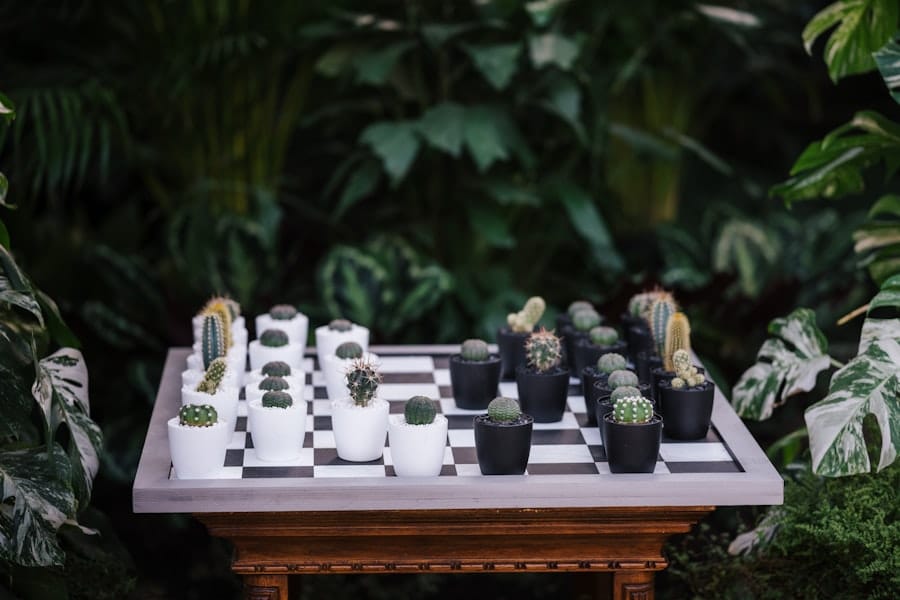
Your outdoor furniture and decor are essential components of your landscape, providing comfort and style. However, they are also vulnerable to the elements. To protect these investments, consider using weather-resistant materials such as teak or aluminum that can withstand rain, sun, and wind without deteriorating.
Additionally, investing in high-quality covers for your furniture can extend its lifespan by shielding it from harsh weather conditions when not in use. During extreme weather events, it’s wise to have a plan in place for securing or storing your outdoor decor. This could involve moving lightweight items indoors or using weights to anchor down larger pieces.
By taking proactive measures to protect your outdoor furniture and decor, you ensure that your landscape remains inviting and functional regardless of the weather.
Maintaining Your Landscape During Extreme Weather Events
Extreme weather events can pose significant challenges for maintaining your landscape. Whether it’s heavy rain, snowstorms, or intense heatwaves, being prepared is key to minimizing damage. Regular maintenance practices such as pruning trees and shrubs before storm season can help reduce the risk of branches breaking and causing damage during high winds.
Additionally, keeping gutters clean ensures proper drainage during heavy rainfall. After an extreme weather event, assess your landscape for any damage promptly. This may involve replanting lost vegetation or repairing hardscaping features that may have been affected.
By staying vigilant and proactive in maintaining your landscape during these challenging times, you can restore its beauty and functionality more quickly.
Utilizing Drought-Tolerant Landscaping Techniques
As climate change continues to impact weather patterns globally, drought-tolerant landscaping techniques are becoming increasingly important. These methods not only conserve water but also create sustainable landscapes that thrive in arid conditions. One effective technique is xeriscaping, which involves using drought-resistant plants and minimizing lawn areas that require regular watering.
Incorporating mulch into your garden beds is another excellent way to retain moisture in the soil while suppressing weeds. Additionally, grouping plants with similar water needs together can optimize irrigation efforts and reduce waste. By embracing drought-tolerant landscaping techniques, you create an environmentally friendly outdoor space that remains beautiful even during dry spells.
Investing in Quality Materials and Construction
When it comes to landscaping, investing in quality materials and construction is crucial for long-term durability. Cheaper materials may save you money upfront but often lead to higher maintenance costs down the line due to wear and tear from weather exposure. Opting for high-quality stone, wood, or metal ensures that your hardscaping features withstand the elements without deteriorating quickly.
Moreover, working with skilled contractors who understand local weather conditions can make a significant difference in the longevity of your landscape design. They can provide valuable insights into material selection and construction techniques that enhance durability while ensuring that your outdoor space remains functional and aesthetically pleasing for years to come.
Working with Professional Landscape Designers and Contractors
Collaborating with professional landscape designers and contractors can elevate your outdoor space significantly. These experts bring a wealth of knowledge about local climate conditions, plant selection, and design principles that enhance both beauty and functionality. They can help you create a cohesive plan that considers all aspects of your landscape while addressing potential weather-related challenges.
Additionally, professionals have access to high-quality materials and construction techniques that may not be readily available to DIY enthusiasts. By investing in their expertise, you ensure that your landscape is designed with resilience in mind, allowing it to thrive despite changing weather patterns.
Embracing the Beauty of Weathered Landscapes
Finally, it’s essential to embrace the beauty of weathered landscapes as part of your outdoor experience. Nature has a way of transforming spaces over time, creating unique textures and colors that tell a story of resilience against the elements. Weathered wood, rusted metal accents, or even moss-covered stones can add character to your garden while reminding you of nature’s enduring power.
By incorporating these elements into your design intentionally, you create a landscape that celebrates both beauty and resilience. Rather than striving for perfection, allow nature’s imperfections to shine through; this approach fosters a deeper connection with your outdoor space while highlighting its ability to adapt and thrive amidst changing weather conditions. In conclusion, understanding the impact of weather on your outdoor space is crucial for creating a resilient landscape that endures through various conditions.
By choosing resilient plants, implementing effective drainage systems, incorporating durable hardscaping elements, protecting furniture, maintaining landscapes during extreme events, utilizing drought-tolerant techniques, investing in quality materials, collaborating with professionals, and embracing the beauty of weathered landscapes, you cultivate an outdoor environment that is not only beautiful but also capable of thriving amidst nature’s challenges.
If you’re looking for more tips on creating a sustainable outdoor space, check out How to Make My Landscape More Sustainable. This article provides valuable insights on incorporating eco-friendly practices into your landscaping design to help reduce your environmental impact. By implementing these strategies, you can create a beautiful outdoor space that not only withstands the elements but also contributes to a healthier planet.
FAQs
What are some landscaping tips for creating resilient outdoor spaces?
Some landscaping tips for creating resilient outdoor spaces include choosing native plants, incorporating drought-tolerant plants, using permeable paving materials, and creating natural drainage systems.
Why is it important to create resilient outdoor spaces?
Creating resilient outdoor spaces is important because it helps to mitigate the impact of extreme weather events, such as heavy rainfall and drought, and promotes the health and sustainability of the landscape.
How can native plants contribute to resilient outdoor spaces?
Native plants are well-adapted to the local climate and soil conditions, making them more resilient to extreme weather events. They also require less water and maintenance, making them a sustainable choice for landscaping.
What are some examples of drought-tolerant plants?
Some examples of drought-tolerant plants include lavender, yarrow, sedum, ornamental grasses, and succulents. These plants have adapted to survive in arid conditions and require minimal watering.
What are permeable paving materials and how do they contribute to resilient outdoor spaces?
Permeable paving materials allow water to infiltrate the ground, reducing stormwater runoff and preventing erosion. This helps to manage water on-site and reduces the burden on stormwater infrastructure.
How can natural drainage systems improve the resilience of outdoor spaces?
Natural drainage systems, such as swales and rain gardens, help to manage excess water from heavy rainfall and reduce the risk of flooding. They also provide habitat for wildlife and enhance the aesthetic appeal of the landscape.