
In recent years, urban jungle retreats have emerged as a captivating trend, transforming concrete jungles into lush, green sanctuaries. As cities expand and populations grow, the need for natural spaces within urban environments has become increasingly apparent. You may have noticed that more and more cities are embracing the concept of integrating nature into their landscapes, creating havens where residents can escape the hustle and bustle of city life.
This movement is not merely a response to aesthetic desires; it reflects a deeper understanding of the importance of nature in our daily lives. Urban jungle retreats are not just about adding a few plants here and there; they represent a holistic approach to urban planning. These retreats often feature a diverse array of flora, creating vibrant ecosystems that support local wildlife while providing residents with a serene environment.
You might find yourself wandering through these green spaces, surrounded by the sounds of chirping birds and rustling leaves, feeling a sense of tranquility that is often missing in urban settings. As cities continue to grow, the rise of urban jungle retreats signifies a shift towards prioritizing well-being and sustainability in urban design.
Key Takeaways
- Urban jungle retreats are on the rise as people seek refuge from the hustle and bustle of city life.
- Green spaces in urban environments offer numerous benefits, including improved mental and physical health.
- Designing and planning urban jungle retreats requires careful consideration of space, vegetation, and community needs.
- Incorporating sustainable and eco-friendly elements is essential for the long-term success of urban jungle projects.
- Community engagement plays a crucial role in the development and maintenance of urban jungle retreats.
The Benefits of Green Spaces in Urban Environments
The benefits of green spaces in urban environments are manifold, impacting both individual well-being and community health. You may have experienced firsthand the calming effect that nature can have on your mood. Studies have shown that access to green spaces can reduce stress, anxiety, and depression, promoting mental health and overall well-being.
When you step into an urban jungle retreat, you are not just entering a visually appealing space; you are immersing yourself in an environment that actively contributes to your mental clarity and emotional stability. Moreover, green spaces play a crucial role in enhancing physical health. You might find that spending time in these areas encourages you to engage in physical activities such as walking, jogging, or yoga.
The presence of greenery can also improve air quality by filtering pollutants and providing oxygen, which is essential for your health. As you breathe in the fresh air while surrounded by plants, you may feel revitalized and more connected to your surroundings. The integration of green spaces into urban environments is not just beneficial; it is essential for fostering healthier communities.
Designing and Planning Urban Jungle Retreats
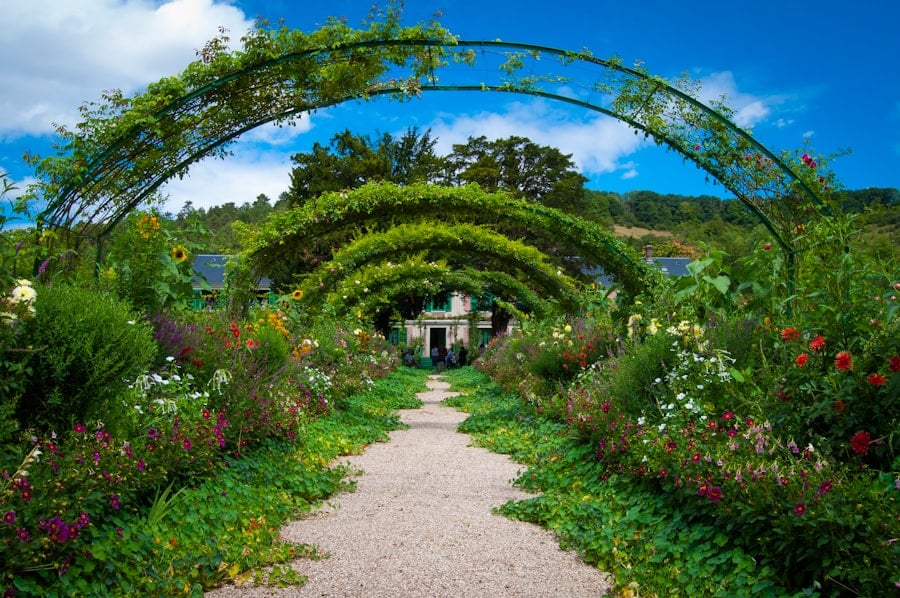
Designing and planning urban jungle retreats requires a thoughtful approach that balances aesthetics with functionality. You may wonder how these spaces can be effectively integrated into existing urban landscapes. The key lies in understanding the unique characteristics of each location and tailoring the design to meet the needs of the community.
This process often involves collaboration between architects, landscape designers, and local stakeholders to create spaces that are not only beautiful but also serve practical purposes. When planning an urban jungle retreat, you should consider factors such as accessibility, biodiversity, and sustainability. You might envision pathways that meander through lush vegetation, inviting visitors to explore and connect with nature.
Incorporating native plant species can enhance biodiversity while ensuring that the retreat thrives in its environment. Additionally, creating spaces for community gatherings or educational programs can foster a sense of ownership and pride among residents. By prioritizing thoughtful design, urban jungle retreats can become integral parts of the urban fabric, enriching the lives of those who inhabit them.
Incorporating Sustainable and Eco-Friendly Elements
Sustainability is at the heart of urban jungle retreats, as these spaces aim to minimize environmental impact while maximizing ecological benefits. You may be interested to learn about various eco-friendly elements that can be incorporated into these designs. For instance, using recycled materials for pathways and seating areas not only reduces waste but also adds character to the space.
Rainwater harvesting systems can be implemented to irrigate plants, ensuring that water is used efficiently and responsibly. In addition to materials, you might consider how energy-efficient practices can be integrated into urban jungle retreats. Solar panels can power lighting or educational kiosks within the space, promoting renewable energy use.
Furthermore, creating habitats for local wildlife can enhance biodiversity and contribute to the overall health of the ecosystem. By incorporating sustainable practices into the design and maintenance of urban jungle retreats, you can help create spaces that are not only beautiful but also environmentally responsible.
The Role of Community Engagement in Urban Jungle Projects
Community engagement is a vital component of successful urban jungle projects. You may recognize that involving local residents in the planning and development process fosters a sense of ownership and pride in these green spaces. When community members have a say in how their urban jungle retreat is designed and maintained, they are more likely to use and care for it.
This collaborative approach can lead to innovative ideas that reflect the unique needs and desires of the community. You might also find that community engagement extends beyond the initial planning phase. Organizing workshops or volunteer days allows residents to actively participate in planting and maintaining the retreat.
This hands-on involvement not only strengthens community bonds but also educates individuals about the importance of environmental stewardship. By fostering a sense of community around urban jungle retreats, you can help ensure their long-term success and sustainability.
Maintaining and Caring for Urban Jungle Retreats
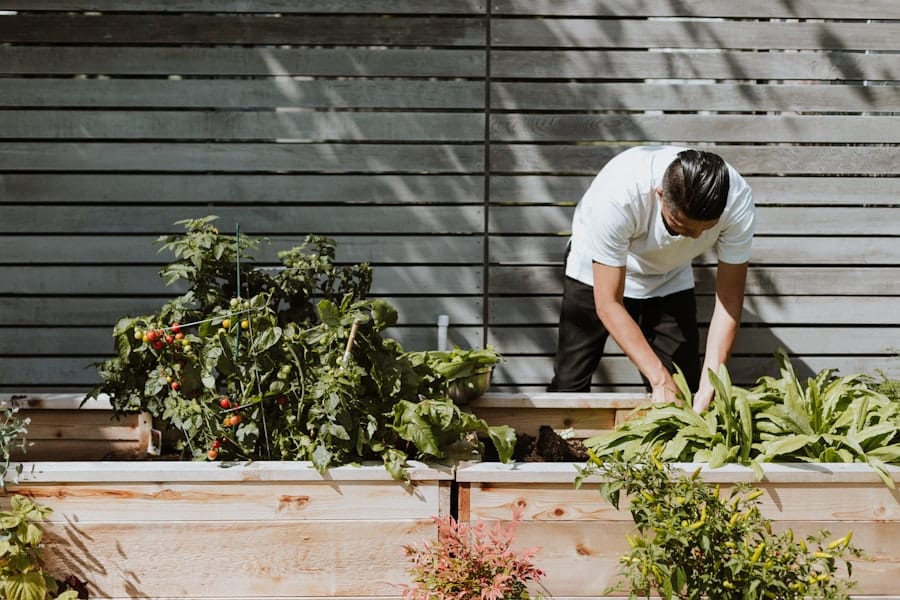
Maintaining and caring for urban jungle retreats is essential for their longevity and continued enjoyment by residents. You may wonder what it takes to keep these green spaces thriving amidst the challenges of urban life. Regular maintenance tasks such as pruning, watering, and weeding are crucial for ensuring that plants remain healthy and vibrant.
Establishing a dedicated team or involving community volunteers can help distribute these responsibilities while fostering a sense of shared ownership. In addition to routine maintenance, you might consider implementing educational programs that teach residents about plant care and sustainable gardening practices. Workshops on topics such as composting or native plant gardening can empower individuals to take an active role in caring for their urban jungle retreat.
By fostering a culture of stewardship, you can help ensure that these green spaces remain flourishing sanctuaries for years to come.
The Psychological and Emotional Impact of Urban Green Spaces
The psychological and emotional impact of urban green spaces cannot be overstated. You may have experienced moments of peace or clarity while surrounded by nature, even in an urban setting. Research has shown that spending time in green spaces can significantly reduce feelings of stress and anxiety while enhancing overall mood.
When you immerse yourself in an urban jungle retreat, you are not just enjoying a beautiful environment; you are engaging in an experience that nurtures your mental well-being. Moreover, these green spaces provide opportunities for social interaction and connection with others. You might find yourself striking up conversations with fellow visitors or participating in community events held within the retreat.
These interactions can foster a sense of belonging and community cohesion, which are essential for emotional health. By prioritizing access to green spaces in urban environments, you contribute to creating healthier, happier communities where individuals can thrive both mentally and emotionally.
Case Studies: Successful Urban Jungle Retreats Around the World
Examining successful case studies of urban jungle retreats around the world can provide valuable insights into best practices and innovative designs. One notable example is Singapore’s Gardens by the Bay, which features stunning vertical gardens and futuristic structures that blend nature with technology. You may be inspired by how this project has transformed an urban landscape into a vibrant ecosystem that attracts millions of visitors each year.
Another compelling case is New York City’s High Line, an elevated park built on a former railway line. This project has revitalized a once-neglected area while providing residents with a unique space to enjoy nature amidst the city’s hustle and bustle. You might appreciate how community involvement played a crucial role in its development, demonstrating the power of collaboration in creating successful urban green spaces.
By studying these examples, you can gain inspiration for your own urban jungle retreat initiatives.
Overcoming Challenges in Creating Urban Jungle Retreats
Creating urban jungle retreats is not without its challenges. You may encounter obstacles such as limited space, budget constraints, or bureaucratic hurdles when attempting to establish these green sanctuaries in densely populated areas. However, overcoming these challenges is possible with creativity and determination.
For instance, utilizing vertical gardening techniques can maximize limited space while still providing lush greenery. Additionally, securing funding through grants or partnerships with local businesses can help alleviate budget constraints. You might also consider advocating for policy changes that prioritize green space development within city planning frameworks.
By addressing these challenges head-on and seeking innovative solutions, you can contribute to the successful establishment of urban jungle retreats that enhance community well-being.
The Economic and Social Impact of Urban Jungle Retreats
The economic and social impact of urban jungle retreats extends far beyond their immediate surroundings. You may be surprised to learn that these green spaces can increase property values in nearby areas while attracting tourism and boosting local businesses. When people have access to beautiful parks and gardens, they are more likely to spend time—and money—in those neighborhoods, contributing to economic growth.
Socially, urban jungle retreats foster inclusivity by providing accessible spaces for all community members to enjoy. You might find that these areas serve as gathering places for diverse groups, promoting social interaction and cultural exchange. By investing in urban jungle retreats, cities can create vibrant communities where individuals from all walks of life come together to connect with nature and each other.
The Future of Urban Jungle Retreats: Trends and Innovations
As cities continue to evolve, so too will the concept of urban jungle retreats. You may be intrigued by emerging trends such as biophilic design, which emphasizes the integration of natural elements into architectural practices. This approach seeks to create environments that enhance well-being by connecting people with nature on multiple levels.
Innovations such as smart technology integration will also play a role in shaping the future of urban jungle retreats. Imagine using mobile apps to learn about plant species or receive notifications about community events happening within these green spaces! As you look ahead, it becomes clear that the future holds exciting possibilities for urban jungle retreats—spaces that not only beautify our cities but also enrich our lives in profound ways.
In conclusion, urban jungle retreats represent a transformative movement towards integrating nature into our increasingly urbanized lives. By understanding their benefits, engaging communities in their development, and prioritizing sustainability, you can contribute to creating vibrant green spaces that enhance well-being for all city dwellers. As you explore this trend further, consider how you might advocate for or participate in initiatives that promote the establishment of these essential sanctuaries within your own community.
If you’re interested in transforming city spaces into lush oasis retreats like in the article “Urban Jungle,” you may want to check out this article on landscaping services in Philadelphia, Pennsylvania. The landscaping service in Philadelphia can help you create a beautiful outdoor space in the city that feels like a peaceful escape from the hustle and bustle. With their expertise, you can turn any urban area into a green paradise. Click here to learn more!
FAQs
What is urban jungle?
Urban jungle refers to the concept of transforming city spaces, such as rooftops, balconies, and courtyards, into lush oasis retreats filled with greenery and plants.
Why is urban jungle becoming popular?
Urban jungle is becoming popular as people seek to bring nature into their urban environments, creating a more relaxing and aesthetically pleasing space. It also helps to improve air quality and provide a habitat for urban wildlife.
What are the benefits of urban jungle?
The benefits of urban jungle include improved air quality, reduced urban heat island effect, increased biodiversity, and creating a more visually appealing and relaxing environment for city dwellers.
What are some popular plants for urban jungle spaces?
Popular plants for urban jungle spaces include succulents, ferns, snake plants, pothos, spider plants, and various types of tropical plants that thrive in indoor and outdoor environments.
How can someone create an urban jungle in their city space?
To create an urban jungle in a city space, individuals can start by selecting the right plants for their environment, ensuring proper sunlight and water, utilizing vertical gardening techniques, and incorporating planters and hanging baskets. It’s also important to consider the weight capacity of the space and any building regulations.