
When you find yourself with a small yard, the challenge of maximizing that space can feel daunting. However, with a little creativity and strategic planning, you can transform your compact outdoor area into a functional and inviting oasis. Start by assessing the layout of your yard.
Identify any underutilized corners or areas that could benefit from a fresh perspective. Consider how you currently use the space and what activities you envision enjoying outdoors. By understanding your needs, you can make informed decisions about how to best utilize every square foot.
One effective way to maximize space is to create distinct zones within your yard. This can be achieved through the use of pathways, garden beds, or even decorative elements like trellises or arbors. By delineating areas for different purposes—such as dining, gardening, or relaxation—you can create a sense of organization that makes your yard feel larger and more inviting.
Additionally, incorporating multi-functional furniture, such as benches with storage or foldable tables, can help you make the most of your limited space while maintaining a clutter-free environment.
Key Takeaways
- Utilize vertical and container gardening techniques to maximize space in small yards.
- Choose low-maintenance plants and landscaping solutions for easy upkeep in small spaces.
- Create the illusion of space with strategic design elements such as mirrors and pathways.
- Incorporate outdoor living spaces to make the most of limited yard space.
- Implement sustainable and eco-friendly practices to minimize environmental impact in small yards.
Choosing the Right Plants for Small Spaces
Selecting the right plants is crucial when it comes to small yards. You want to choose varieties that not only fit your aesthetic preferences but also thrive in the limited space available. Opt for plants that are compact in size and have a low growth habit.
Perennials, dwarf shrubs, and ornamental grasses can provide beauty without overwhelming your yard. Additionally, consider incorporating native plants that are well-suited to your local climate, as they often require less maintenance and water. Another important factor to consider is the layering of plants.
By placing taller plants at the back and shorter ones in front, you can create depth and visual interest without overcrowding your space. This technique allows you to enjoy a lush garden while still maintaining an open feel. Furthermore, think about seasonal interest; choose plants that bloom at different times throughout the year to ensure your yard remains vibrant and engaging no matter the season.
Designing a Functional and Aesthetic Layout
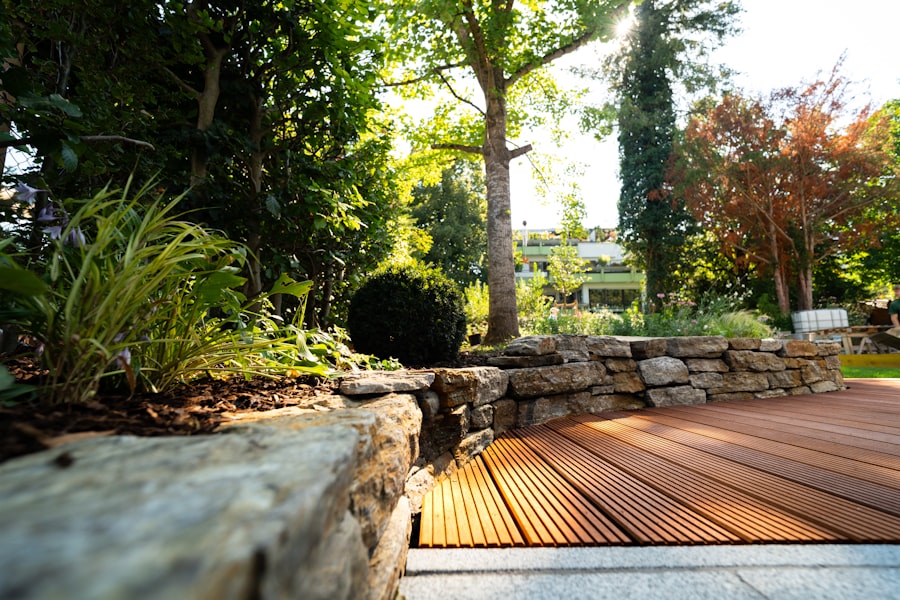
Designing a layout that is both functional and aesthetically pleasing is essential for small yards. Start by sketching out a plan that includes all the elements you want to incorporate, such as seating areas, garden beds, and pathways. Consider the flow of movement through the space; you want to create an inviting atmosphere that encourages exploration and relaxation.
Pay attention to how sunlight and shade affect different areas of your yard, as this will influence where you place certain plants and features. Incorporating focal points can also enhance the overall design of your small yard. Whether it’s a striking piece of garden art, a unique tree, or a cozy seating area, having a focal point draws the eye and creates a sense of purpose within the space.
Additionally, using color strategically can help unify your design. Choose a cohesive color palette for your plants and hardscaping elements to create harmony throughout your yard.
Implementing Low-Maintenance Landscaping Solutions
In small yards, low-maintenance landscaping solutions can be a game-changer. You want to enjoy your outdoor space without spending excessive time on upkeep. One way to achieve this is by selecting drought-resistant plants that require minimal watering once established.
Incorporating mulch around your plants can help retain moisture and suppress weeds, further reducing maintenance needs. Another effective strategy is to use hardscaping elements like gravel paths or stone patios instead of traditional lawns. These materials not only reduce the amount of grass you need to maintain but also add texture and visual interest to your yard.
Additionally, consider installing an irrigation system that can be set on a timer, ensuring your plants receive adequate water without requiring constant attention from you.
Creating the Illusion of Space with Strategic Design
Creating the illusion of space in a small yard is all about clever design choices. One effective technique is to use mirrors or reflective surfaces strategically placed within your garden. These elements can create depth and make your yard appear larger than it actually is.
Additionally, using light colors for fences or walls can help reflect sunlight and create an airy feel. Another way to enhance the perception of space is through the use of vertical lines. Tall plants, trellises, or even vertical gardens can draw the eye upward, making your yard feel more expansive.
Incorporating open spaces within your design—such as clear pathways or areas of lawn—can also contribute to an overall sense of openness.
Incorporating Outdoor Living Spaces in Small Yards
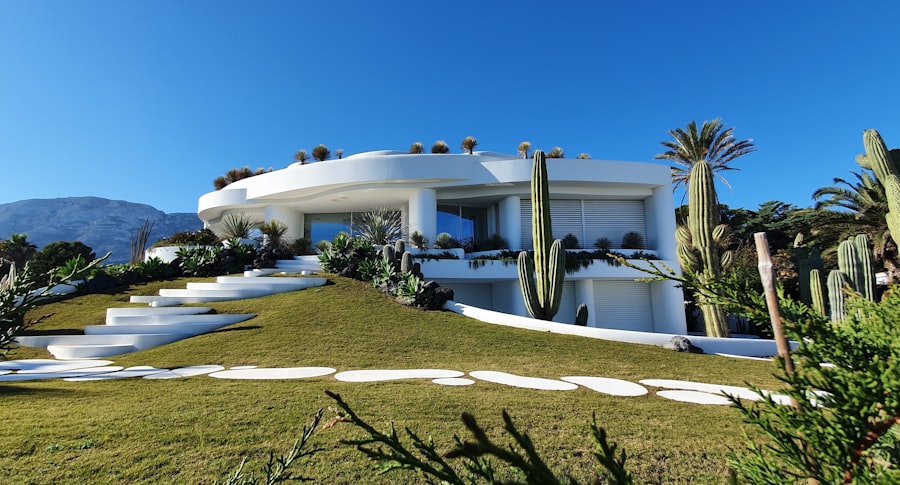
Even in small yards, you can create inviting outdoor living spaces that enhance your enjoyment of the outdoors. Start by identifying areas where you can comfortably place furniture for dining or lounging. A small bistro set or a couple of lounge chairs can transform a corner into a cozy retreat.
Consider using outdoor rugs to define these spaces visually and add warmth. To maximize functionality, think about how you can integrate features like fire pits or outdoor kitchens into your design. These elements not only provide additional entertainment options but also encourage you to spend more time outside.
By carefully selecting furniture that is both stylish and space-efficient, you can create an outdoor living area that feels expansive despite its size.
Utilizing Vertical and Container Gardening Techniques
Vertical gardening techniques are particularly beneficial in small yards where ground space is limited. By growing plants upward rather than outward, you can maximize your gardening potential without sacrificing valuable square footage. Consider installing wall planters or vertical trellises where climbing plants like beans or cucumbers can thrive.
This not only saves space but also adds visual interest to your garden. Container gardening is another excellent option for small spaces. You can use pots of various sizes to create a dynamic display on patios, balconies, or even steps.
Choose containers that complement your overall design aesthetic while ensuring they have proper drainage for healthy plant growth. With container gardening, you have the flexibility to rearrange plants as needed, allowing for seasonal changes and experimentation with different arrangements.
Selecting the Right Lawn for Small Yards
When it comes to lawns in small yards, choosing the right type of grass is essential for maintaining a healthy and attractive outdoor space. Opt for grass varieties that are suited for smaller areas and require less maintenance—such as fine fescue or zoysia grass—which are known for their durability and ability to thrive in limited sunlight conditions. Additionally, consider alternatives to traditional grass lawns if maintenance is a concern.
Ground covers like clover or creeping thyme can provide greenery without the need for regular mowing or watering. These options not only save time but also contribute to a more sustainable landscape by reducing water usage and promoting biodiversity.
Incorporating Water Features in Limited Spaces
Water features can add tranquility and beauty to small yards without overwhelming them if designed thoughtfully. A small fountain or pond can serve as a focal point while providing soothing sounds that enhance relaxation in your outdoor space. When selecting a water feature, consider options that fit within your available area—such as wall-mounted fountains or tabletop designs—that won’t take up too much room.
Incorporating aquatic plants around your water feature can further enhance its appeal while providing habitat for local wildlife. Additionally, ensure that any water feature you choose is easy to maintain; self-circulating systems can minimize upkeep while still delivering the calming benefits of water in your garden.
Implementing Sustainable and Eco-Friendly Practices
Sustainability should be at the forefront of any landscaping project, especially in small yards where resources may be limited. Start by implementing practices such as composting kitchen scraps and yard waste to create nutrient-rich soil for your plants. This not only reduces waste but also enriches your garden naturally.
Consider using rain barrels to collect rainwater for irrigation purposes; this conserves water while providing your plants with natural hydration. Additionally, choose organic fertilizers and pest control methods to minimize chemical use in your garden. By adopting these eco-friendly practices, you’ll create a beautiful outdoor space that aligns with sustainable living principles.
Hiring Professional Lawn and Landscaping Services for Small Yards
If you find yourself overwhelmed by the prospect of designing and maintaining your small yard, hiring professional lawn and landscaping services may be the best solution for you. These experts bring valuable knowledge and experience to the table, helping you make informed decisions about plant selection, layout design, and maintenance practices tailored specifically for small spaces. Working with professionals allows you to tap into their creativity while ensuring that every aspect of your yard is optimized for both beauty and functionality.
They can help you navigate challenges such as soil quality or drainage issues that may arise in compact areas. Ultimately, investing in professional services can save you time and effort while transforming your small yard into an outdoor haven that reflects your personal style and meets your needs perfectly.
For homeowners in Frisco, TX, looking to enhance their small yards, effective landscaping can make a significant difference. One aspect to consider is outdoor lighting, which not only beautifies the space but also extends its usability into the evening hours. For tips and ideas on how to incorporate lighting into your landscaping design, check out this informative article on outdoor lighting.
FAQs
What services are offered by lawn and landscaping companies in Frisco, TX for small yards?
Lawn and landscaping companies in Frisco, TX offer a range of services for small yards, including lawn mowing, edging, trimming, weed control, fertilization, mulching, flower bed maintenance, and small-scale landscaping design.
How can I find a reliable lawn and landscaping company in Frisco, TX for my small yard?
You can find a reliable lawn and landscaping company in Frisco, TX for your small yard by asking for recommendations from friends and neighbors, reading online reviews, checking the company’s credentials and certifications, and requesting a consultation to discuss your specific needs.
What are the benefits of hiring a professional lawn and landscaping company for a small yard in Frisco, TX?
Hiring a professional lawn and landscaping company for a small yard in Frisco, TX can save you time and effort, ensure proper care and maintenance of your yard, improve the overall appearance of your property, and increase the value of your home.
What factors should I consider when choosing a lawn and landscaping company for my small yard in Frisco, TX?
When choosing a lawn and landscaping company for your small yard in Frisco, TX, consider factors such as the company’s experience and expertise, the range of services offered, pricing and payment options, customer reviews and testimonials, and the company’s availability and scheduling flexibility.