
Soil compaction is a phenomenon that occurs when soil particles are pressed together, reducing the pore space between them. This process can happen naturally over time due to the weight of water, rain, or even the pressure from foot traffic and heavy machinery. When soil becomes compacted, it can lead to a host of problems, including reduced water infiltration, limited root growth, and decreased microbial activity.
Understanding the dynamics of soil compaction is crucial for anyone looking to maintain a healthy landscape. You may find that the health of your plants and the overall vitality of your garden depend significantly on the condition of your soil. Aeration, on the other hand, is the process of creating small holes in the soil to allow air, water, and nutrients to penetrate deeper into the ground.
This practice is essential for alleviating compaction and promoting a healthier environment for plant roots. By improving soil aeration, you can enhance root development, increase microbial activity, and improve water retention. As you delve deeper into the world of landscaping, recognizing the balance between compaction and aeration will empower you to make informed decisions that benefit your garden or lawn.
Key Takeaways
- Soil compaction reduces pore space and limits air and water movement
- Soil assessment involves testing for compaction, texture, and moisture levels
- Compacted soil can lead to poor root growth and reduced plant health
- Aeration improves soil structure, water infiltration, and nutrient uptake
- Techniques for soil aeration include core aeration, spike aeration, and liquid aeration applications
- Choosing the right equipment depends on the size and type of the landscaping area
- Aeration should be integrated into regular landscaping maintenance schedules
- Monitoring the results of aeration involves assessing soil moisture, root growth, and plant health
- Addressing concerns about soil compaction may involve soil amendments and drainage solutions
- Preventing soil compaction in the future requires proper maintenance and avoiding heavy traffic on the soil
- Collaborating with landscaping professionals can provide expertise and specialized equipment for soil health maintenance
Assessing the Soil Conditions
Before you can effectively address soil compaction and aeration, it’s vital to assess the current conditions of your soil. Start by examining the texture and structure of your soil. Is it sandy, clayey, or loamy?
Each type has its own characteristics that influence how it compacts and how well it aerates. You can perform a simple test by taking a handful of moist soil and squeezing it. If it holds its shape and feels sticky, you likely have clay soil, which is prone to compaction.
Conversely, if it crumbles easily, you may have sandy soil that drains well but can also be prone to erosion. In addition to texture, consider the moisture levels in your soil. Overly wet soil can become compacted more easily, while dry soil may be too hard for roots to penetrate.
You might also want to check for signs of poor drainage or water pooling in certain areas. Observing plant health is another critical aspect; wilting leaves or stunted growth can indicate underlying soil issues. By thoroughly assessing these conditions, you will gain valuable insights into how compaction is affecting your landscape and what steps you need to take next.
Identifying the Impact of Soil Compaction
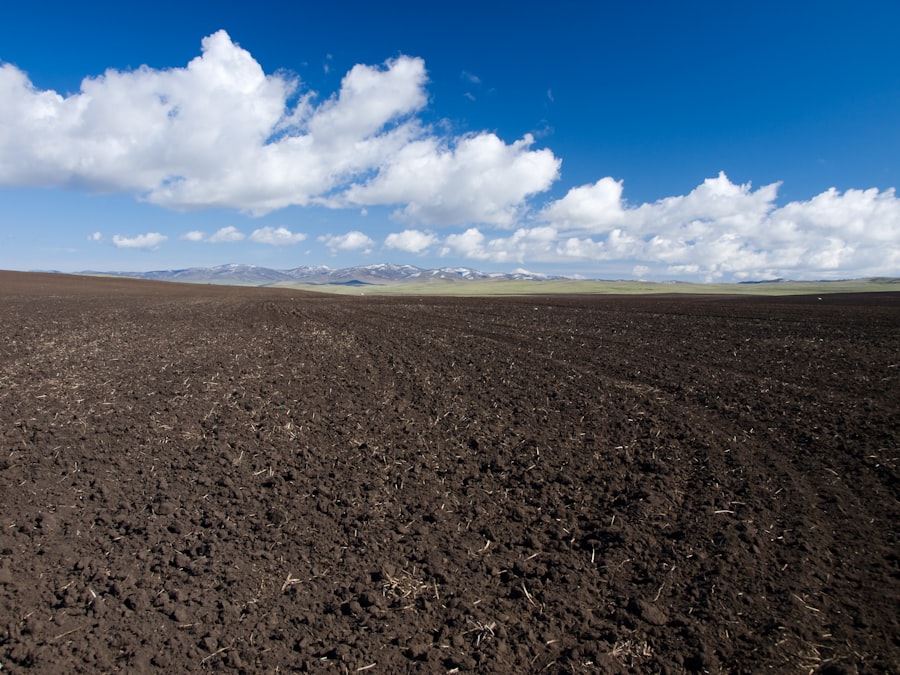
The impact of soil compaction can be profound and far-reaching. One of the most immediate effects you may notice is poor plant growth. Compacted soil restricts root expansion, making it difficult for plants to access essential nutrients and water.
This can lead to stunted growth, yellowing leaves, and even plant death in severe cases. If you’ve ever wondered why certain areas of your garden seem less vibrant than others, compaction could be a significant factor at play. Moreover, compacted soil can disrupt the delicate balance of microorganisms that contribute to soil health.
Beneficial bacteria and fungi thrive in well-aerated environments; when compaction occurs, their populations can dwindle, leading to a decline in soil fertility. This not only affects existing plants but can also hinder the establishment of new ones. Understanding these impacts will help you appreciate the importance of addressing soil compaction proactively rather than reactively.
Importance of Aeration in Landscaping
Aeration plays a pivotal role in maintaining a healthy landscape. By allowing air and moisture to penetrate deeper into the soil, aeration promotes robust root systems that are better equipped to absorb nutrients and withstand environmental stressors. When you aerate your lawn or garden beds, you’re essentially giving your plants a fighting chance against drought, disease, and pests.
This practice not only enhances plant health but also contributes to a more vibrant and lush landscape. Furthermore, aeration can improve overall soil structure by breaking up compacted layers and encouraging the development of beneficial microorganisms. These organisms play a crucial role in decomposing organic matter and cycling nutrients back into the soil.
As you invest time in aerating your landscape, you’ll likely notice an increase in biodiversity as well—healthy soils support a wider variety of plants and wildlife, creating a more balanced ecosystem right in your backyard.
Techniques for Soil Aeration
There are several techniques available for aerating your soil, each with its own advantages depending on your specific needs. One common method is core aeration, which involves removing small plugs of soil from the ground. This technique allows for maximum air exchange and is particularly effective for compacted lawns.
You might consider renting a core aerator if you have a large area to cover; many garden centers offer this equipment for hire. Another technique is spike aeration, which uses solid tines to poke holes into the ground without removing any soil. While this method is less effective than core aeration in alleviating compaction, it can still provide some benefits by allowing air and water to penetrate the surface layer.
If you’re looking for a more manual approach, you could also use a garden fork or spading fork to create holes in smaller areas or around individual plants. Whichever method you choose, ensure that you aerate during optimal conditions—typically when the soil is moist but not overly wet—to achieve the best results.
Choosing the Right Equipment for Aeration
Core Aeration Equipment
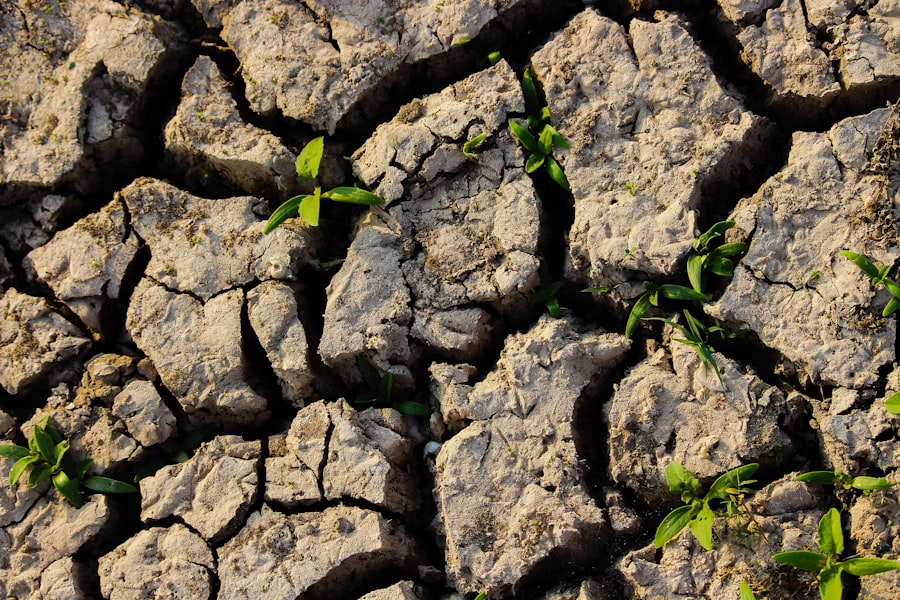
If you opt for core aeration, look for a machine that has sharp tines designed to remove plugs efficiently. Many models are available as walk-behind units or tow-behind attachments for riding lawnmowers, allowing you to choose based on your comfort level and the size of your lawn.
Spike Aeration Options
For spike aeration, consider handheld tools like spike aerators or even specialized shoes with spikes attached to them. While these options may require more physical effort on your part, they can be effective for smaller areas or gardens where precision is necessary.
Professional-Grade Equipment for Long-Term Benefits
Additionally, if you’re working with particularly compacted soils or larger properties, investing in professional-grade equipment may be worthwhile for long-term benefits.
Implementing Aeration in Landscaping Services
When implementing aeration as part of your landscaping services, timing is everything. The best times to aerate are typically during the growing season when grass or plants are actively growing—usually in spring or early fall for cool-season grasses and late spring through summer for warm-season varieties. By aligning your aeration efforts with these growth periods, you’ll maximize the benefits for your landscape.
Incorporating aeration into regular maintenance schedules can also enhance its effectiveness over time. Consider offering seasonal aeration services as part of a comprehensive landscaping package that includes fertilization and overseeding. This holistic approach not only improves soil health but also creates a more attractive and resilient landscape that clients will appreciate.
Monitoring the Results of Aeration
After aerating your soil, it’s essential to monitor the results closely to gauge its effectiveness. You may want to observe changes in plant health over time—look for signs of improved growth such as greener leaves, increased flowering, or deeper root systems. Additionally, pay attention to how well water drains into the soil after rainfall or irrigation; improved drainage is often a direct result of successful aeration.
You might also consider conducting periodic soil tests to measure changes in nutrient levels and microbial activity over time. These tests can provide valuable insights into how well your aeration efforts are contributing to overall soil health. By keeping track of these indicators, you’ll be better equipped to make informed decisions about future landscaping practices.
Addressing Concerns About Soil Compaction
If you’re facing concerns about soil compaction in your landscape, it’s important not to panic; there are effective strategies available to address this issue head-on. Start by educating yourself about the specific causes of compaction in your area—whether it’s heavy foot traffic, machinery use, or natural factors like rainfall—and tailor your approach accordingly. In some cases, simply increasing organic matter through composting or mulching can help improve soil structure and reduce compaction over time.
You might also consider implementing designated pathways or using ground covers in high-traffic areas to minimize pressure on sensitive soils. By taking proactive measures and being mindful of how activities impact your landscape, you can significantly mitigate concerns related to soil compaction.
Preventing Soil Compaction in the Future
Preventing future soil compaction requires a combination of good practices and ongoing maintenance efforts. One effective strategy is to limit heavy traffic on sensitive areas of your landscape; consider creating designated paths or using stepping stones to guide foot traffic away from vulnerable spots. Additionally, incorporating organic matter into your soil regularly can help maintain its structure and resilience against compaction.
Another preventive measure involves proper irrigation practices; overwatering can lead to saturated soils that are more prone to compaction. Aim for deep watering sessions that encourage roots to grow deeper rather than frequent shallow watering that keeps roots near the surface. By adopting these practices consistently over time, you’ll create an environment that supports healthy soil structure and minimizes compaction risks.
Collaborating with Landscaping Professionals for Soil Health
Collaborating with landscaping professionals can significantly enhance your efforts toward maintaining healthy soil conditions in your landscape. These experts bring valuable knowledge about local soil types, climate conditions, and best practices tailored specifically for your area. By working together with professionals who understand the intricacies of soil health, you’ll be better equipped to implement effective strategies for both aeration and compaction management.
Consider scheduling regular consultations with landscaping professionals who can assess your landscape’s unique needs and recommend tailored solutions based on their expertise. Whether it’s through routine maintenance services or one-time interventions like aeration or organic amendments, partnering with knowledgeable professionals will ultimately lead to a healthier landscape that thrives year after year.
If you are interested in learning more about the importance of pruning and trimming in landscaping services, check out this article. Proper pruning and trimming techniques can help maintain the health and appearance of your plants and trees. Additionally, if you are located in Lexington-Fayette, Kentucky and are in need of landscaping services, be sure to read about the services offered in this article. And if you are wondering about the best ways to finance landscaping services, you can find some helpful tips in this article.
FAQs
What is soil compaction and why is it a concern for landscaping services?
Soil compaction occurs when soil particles are pressed together, reducing pore space and making it difficult for roots to penetrate and for water and air to move through the soil. This can lead to poor plant growth and drainage issues.
How do landscaping services address concerns about soil compaction?
Landscaping services can address soil compaction through various methods such as aeration, which involves perforating the soil with small holes to allow air, water, and nutrients to penetrate the grass roots.
What is the process for soil aeration in landscaping services?
The process for soil aeration in landscaping services typically involves using a machine with hollow tines to remove small cores of soil from the ground. These cores are left on the surface to break down and improve the soil structure.
How often should soil aeration be performed by landscaping services?
The frequency of soil aeration by landscaping services depends on the soil type, amount of foot traffic, and other factors. In general, it is recommended to aerate the soil once or twice a year, typically in the spring and fall.
What are the benefits of soil aeration for landscaping services?
Soil aeration performed by landscaping services can improve root growth, enhance water and nutrient uptake, reduce soil compaction, and promote overall lawn health and vitality.