
When embarking on a landscaping project, the first step is to grasp the initial concept that will guide your design. This involves envisioning how you want your outdoor space to look and function. You might find it helpful to consider the purpose of the landscape.
Are you aiming for a serene retreat, a vibrant garden for entertaining, or perhaps a functional space for children to play? By defining the primary use of the area, you can begin to shape your ideas into a cohesive vision. As you delve deeper into your concept, think about the style that resonates with you.
Do you prefer a modern aesthetic with clean lines and minimalistic features, or are you drawn to a more traditional look with lush gardens and ornate pathways? Gathering inspiration from various sources—such as magazines, websites, or even local parks—can help you refine your vision. Creating a mood board or a digital collage can also be an effective way to visualize your ideas and ensure that all elements harmonize with one another.
Key Takeaways
- Understanding the initial concept is crucial for a successful landscape design project.
- Planning and designing the landscape should take into consideration the natural elements and the client’s needs and preferences.
- Obtaining necessary permits and approvals is an important step to ensure compliance with local regulations.
- Selecting materials and plants should be done carefully to ensure they are suitable for the local climate and soil conditions.
- Excavation and grading are essential for creating a stable and functional landscape foundation.
Planning and Designing the Landscape
Once you have a clear concept in mind, the next step is to plan and design your landscape. This phase involves sketching out your ideas and considering the layout of various elements within the space. You might want to start by measuring the area accurately, noting existing features like trees, slopes, and structures that will influence your design.
A well-thought-out plan will not only enhance the aesthetic appeal but also ensure functionality and ease of maintenance. As you design, think about how different areas will flow into one another. You may want to create distinct zones for different activities, such as a dining area, a play zone, or a quiet nook for relaxation.
Incorporating pathways can help guide movement through these spaces while adding visual interest. Additionally, consider how sunlight and shade will affect your plants and seating areas throughout the day. By taking these factors into account, you can create a landscape that is both beautiful and practical.
Obtaining Necessary Permits and Approvals
Before diving into the physical work of landscaping, it’s crucial to obtain any necessary permits and approvals. Depending on your location and the scope of your project, local regulations may require you to submit plans for review. This step is essential to ensure that your design complies with zoning laws, building codes, and environmental regulations.
You may need to consult with local authorities or a professional landscape architect who can guide you through this process. In some cases, you might also need to consider homeowners’ association (HOA) guidelines if you live in a community governed by such rules. These guidelines can dictate everything from plant selection to hardscape materials.
By familiarizing yourself with these requirements early on, you can avoid potential setbacks that could delay your project. Taking the time to secure all necessary approvals will ultimately save you from complications down the line.
Selecting Materials and Plants
With permits in hand, it’s time to select the materials and plants that will bring your vision to life. The choice of materials is critical as it sets the tone for your landscape. You might consider natural stone for pathways or patios, which can add a rustic charm, or opt for concrete for a more contemporary look.
Additionally, think about durability and maintenance; some materials may require more upkeep than others. When it comes to plants, consider factors such as climate, soil type, and sunlight exposure. You’ll want to choose species that thrive in your specific environment while also aligning with your aesthetic goals.
Mixing perennials with annuals can provide year-round interest, while incorporating native plants can enhance biodiversity and reduce water usage. As you select plants, envision how they will grow over time and how they will interact with other elements in your landscape.
Excavation and Grading
With your materials and plants selected, the next phase involves excavation and grading. This step is essential for preparing the site for installation. You may need to remove existing sod, rocks, or debris to create a clean slate for your new landscape.
Depending on the complexity of your design, this could involve heavy machinery or simply hand tools for smaller areas. Grading is equally important as it ensures proper drainage throughout your landscape. You’ll want to create gentle slopes away from structures to prevent water pooling or flooding.
This process may require some trial and error as you adjust elevations to achieve the desired contours. Taking the time to get this right will pay off in the long run by preventing erosion and ensuring that your plants receive adequate moisture without becoming waterlogged.
Installation of Hardscape Features
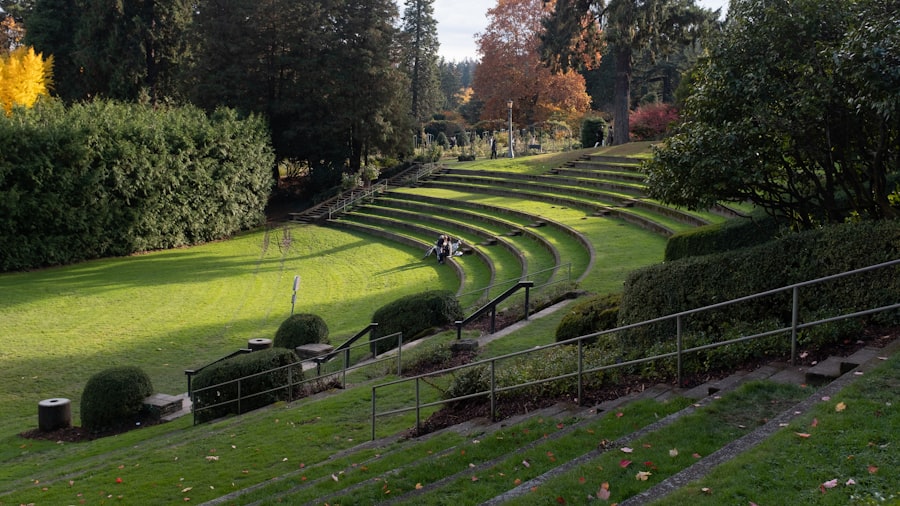
Once the site is prepared, it’s time to install hardscape features that will form the backbone of your landscape design. Hardscaping includes elements such as patios, walkways, retaining walls, and decks—essentially any non-plant material that contributes to the overall structure of your outdoor space. These features not only provide functionality but also add visual interest and texture.
As you begin installation, pay close attention to detail. For example, when laying pavers for a patio or pathway, ensure they are level and properly spaced for stability and aesthetics. You might also want to incorporate borders or edging to define different areas clearly.
The choice of materials here can significantly impact the overall look; consider how colors and textures will complement your plants and other features in the landscape.
Irrigation and Drainage Systems
With hardscaping in place, it’s essential to address irrigation and drainage systems before moving on to planting. A well-designed irrigation system will ensure that your plants receive consistent moisture without overwatering or wasting water resources. You might choose between drip irrigation systems for targeted watering or sprinkler systems for broader coverage based on your landscape’s needs.
In addition to irrigation, proper drainage is crucial for maintaining healthy plants and preventing water damage to hardscape features. You may need to install French drains or surface drains in areas where water tends to accumulate. By planning these systems carefully during installation, you can create a sustainable landscape that thrives with minimal intervention.
Planting and Softscape Installation
Now comes one of the most rewarding phases: planting and softscape installation. This is where your vision truly begins to take shape as you introduce greenery into your landscape. Start by arranging plants according to your design plan, considering factors such as height, color, and texture.
Grouping plants in odd numbers often creates a more natural look while allowing for visual balance. As you plant, be mindful of spacing; overcrowding can lead to competition for resources and hinder growth. Ensure that each plant has enough room to thrive while also considering their mature size.
Watering them thoroughly after planting is essential for helping them establish roots in their new environment. This phase is not just about aesthetics; it’s about creating a thriving ecosystem that will flourish over time.
Lighting and Outdoor Features
To enhance the beauty of your landscape after sunset, consider incorporating lighting and outdoor features into your design. Landscape lighting can highlight key elements such as trees, pathways, or water features while providing safety and ambiance during evening gatherings. You might choose from various options like solar lights, LED fixtures, or low-voltage systems based on your preferences and budget.
In addition to lighting, think about other outdoor features that can elevate your space further—perhaps a fire pit for cozy evenings or a water feature that adds tranquility with its soothing sounds. These elements not only enhance functionality but also create focal points that draw attention throughout the landscape. By thoughtfully integrating lighting and features into your design, you can extend the usability of your outdoor space well into the night.
Final Inspections and Adjustments
After completing installation, it’s time for final inspections and adjustments before officially unveiling your new landscape. Take a step back and evaluate how all elements work together—are there areas that feel unbalanced or lacking? This is an opportunity to make minor tweaks that can significantly enhance the overall aesthetic appeal.
You may also want to invite friends or family members over for feedback; sometimes an outside perspective can reveal aspects you might have overlooked. If necessary, make adjustments such as repositioning plants or adding additional hardscape features based on this feedback. Ensuring everything is in harmony will give you confidence in enjoying your newly transformed outdoor space.
Maintenance and Care for the Completed Landscape
The journey doesn’t end once your landscape is complete; ongoing maintenance is vital for preserving its beauty and health over time. Regular tasks such as watering, weeding, pruning, and mulching will help keep plants thriving while preventing pests from taking hold. Establishing a maintenance schedule can make these tasks feel less overwhelming; consider seasonal checklists that outline what needs attention throughout the year.
Additionally, be proactive about addressing any issues that arise—whether it’s adjusting irrigation systems during dry spells or replacing plants that haven’t thrived as expected. By staying engaged with your landscape’s needs, you’ll not only maintain its beauty but also foster a deeper connection with nature right outside your door. Ultimately, investing time in care will ensure that your outdoor space remains a source of joy for years to come.
If you are interested in learning more about landscaping services in different locations, you may want to check out this article on Landscaping Service in Fresno, California. It provides insights into the unique challenges and opportunities of landscaping in that area, which can be helpful for anyone navigating the landscape construction process.
FAQs
What is the landscape construction process?
The landscape construction process involves the planning, design, and implementation of outdoor spaces, including elements such as hardscaping, planting, irrigation, and lighting.
What are the key steps in the landscape construction process?
The key steps in the landscape construction process typically include site analysis, conceptual design, detailed design development, construction documentation, contractor selection, construction implementation, and post-construction maintenance.
What are some common elements of landscape construction?
Common elements of landscape construction include pathways, patios, retaining walls, water features, plantings, outdoor lighting, irrigation systems, and other hardscape and softscape features.
How long does the landscape construction process typically take?
The duration of the landscape construction process can vary depending on the size and complexity of the project. Small projects may take a few weeks, while larger projects can take several months to complete.
What are some important considerations during the landscape construction process?
Important considerations during the landscape construction process include site conditions, local regulations and permits, budget constraints, environmental impact, and the selection of appropriate materials and plants for the climate and soil conditions.