
When you think about water conservation, it’s essential to recognize the role that your gardening practices play in this critical issue. By adopting efficient watering techniques, you can significantly reduce your water usage while still maintaining a vibrant garden. For instance, utilizing drip irrigation systems or soaker hoses allows water to seep directly into the soil, minimizing evaporation and ensuring that plants receive the moisture they need without excess waste.
This method not only conserves water but also promotes healthier root systems, as plants are encouraged to grow deeper in search of moisture. Moreover, implementing rainwater harvesting systems can further enhance your water conservation efforts. By collecting rainwater from your roof and directing it into barrels or cisterns, you create a sustainable source of irrigation for your garden.
This practice not only reduces your reliance on municipal water supplies but also helps mitigate the impact of stormwater runoff, which can lead to pollution in local waterways. By being mindful of how you use water in your garden, you contribute to a larger movement toward sustainability and environmental stewardship.
Key Takeaways
- Efficient irrigation systems can significantly impact water conservation efforts
- Overwatering can lead to soil erosion and nutrient depletion, affecting soil health
- The risk of overwatering can lead to waterlogged soil and root rot in plants
- Proper irrigation can reduce the potential for water evaporation, conserving water
- Consistent and efficient watering can promote healthy plant growth and reduce the risk of disease
- Water runoff can carry pollutants and chemicals, impacting local wildlife and ecosystems
- Efficient irrigation systems can lead to reduced water bills and overall cost savings
- Overwatering can create a breeding ground for fungal growth, affecting plant health
- Proper water management can support local wildlife and biodiversity
- Efficient irrigation systems can minimize water waste and promote sustainable garden maintenance
The Effect on Soil Health
The health of your soil is paramount to the success of your garden, and your watering practices can have a profound impact on its quality. Overwatering can lead to soil compaction, which restricts root growth and limits the availability of oxygen to plants. When soil becomes overly saturated, it can also create anaerobic conditions that promote the growth of harmful bacteria and pathogens.
By understanding the moisture needs of your plants and adjusting your watering schedule accordingly, you can maintain a balanced environment that supports beneficial microorganisms and enhances soil fertility. In addition to preventing compaction, proper watering techniques can help improve soil structure. When you water deeply but infrequently, you encourage roots to grow deeper into the soil, which helps create a more robust and resilient ecosystem.
This deep-rooted growth not only allows plants to access nutrients more effectively but also improves the soil’s ability to retain moisture. As a result, you create a thriving environment for both plants and beneficial organisms like earthworms, which play a crucial role in aerating the soil and breaking down organic matter.
The Risk of Overwatering
One of the most common pitfalls in gardening is the tendency to overwater plants. While it may seem like a good idea to provide ample moisture, excessive watering can lead to a host of problems that ultimately harm your garden. Overwatering can suffocate roots by filling the air pockets in the soil with water, leading to root rot and other diseases.
This not only stunts plant growth but can also result in the death of otherwise healthy plants. By learning to recognize the signs of overwatering—such as yellowing leaves or wilting despite wet soil—you can adjust your practices to ensure that your plants thrive. To mitigate the risk of overwatering, consider implementing a watering schedule based on the specific needs of your plants and the prevailing weather conditions.
Using tools like moisture meters can help you gauge when it’s time to water, allowing you to make informed decisions rather than relying on guesswork. Additionally, mulching around your plants can help retain moisture in the soil while reducing evaporation, further minimizing the risk of overwatering and promoting a healthier garden overall.
The Potential for Evaporation
Evaporation is an often-overlooked factor in gardening that can significantly affect how much water your plants receive. When you water during the hottest parts of the day, much of that moisture can evaporate before it even reaches the roots. This not only wastes water but also places additional stress on your plants, which may struggle to cope with fluctuating moisture levels.
To combat this issue, consider watering early in the morning or later in the evening when temperatures are cooler and evaporation rates are lower. In addition to timing, the method of watering can also influence evaporation rates. For example, using a hose or sprinkler can lead to significant water loss through evaporation compared to drip irrigation systems that deliver water directly to the soil.
By being mindful of both when and how you water, you can maximize the efficiency of your irrigation efforts and ensure that your plants receive the hydration they need without unnecessary waste.
The Impact on Plant Health
The health of your plants is intricately linked to how you manage their water supply. Insufficient watering can lead to stress, causing plants to wilt or exhibit stunted growth. Conversely, overwatering can create an environment conducive to root diseases and nutrient deficiencies.
Striking a balance is crucial; understanding the specific needs of each plant species in your garden will help you tailor your watering practices accordingly. For instance, succulents require far less water than leafy greens, so adjusting your approach based on plant type is essential for maintaining overall health. Additionally, healthy watering practices can enhance plant resilience against pests and diseases.
Well-hydrated plants are better equipped to fend off infestations and recover from stressors. By ensuring that your plants receive consistent moisture without overdoing it, you create an environment where they can thrive and flourish. This not only leads to a more beautiful garden but also contributes to a more sustainable ecosystem overall.
The Risk of Water Runoff
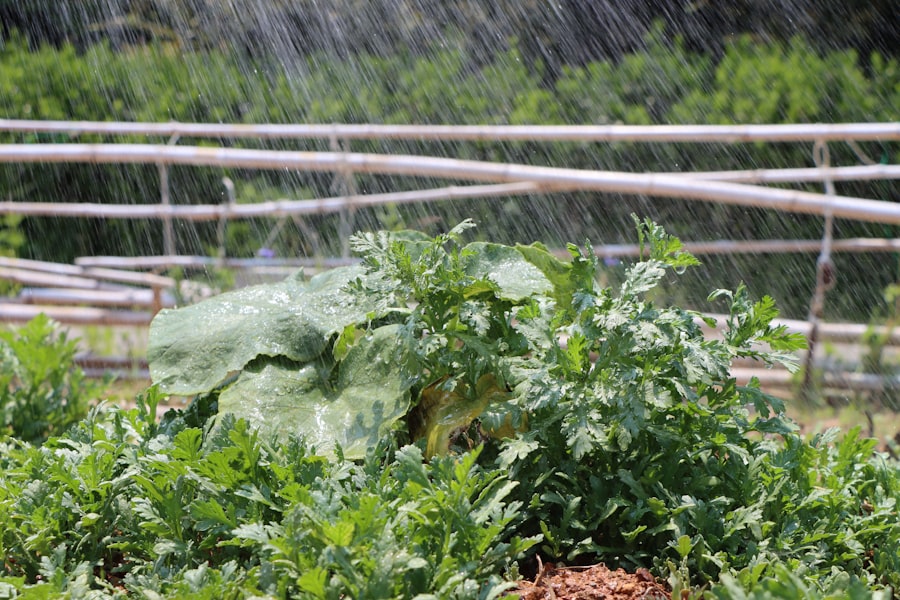
Water runoff is another critical consideration when it comes to gardening practices. When excess water flows over the surface of your garden rather than soaking into the soil, it can carry away valuable nutrients and organic matter that are essential for plant health. This not only diminishes soil quality but can also contribute to pollution in nearby waterways as fertilizers and pesticides are washed away.
To minimize runoff, consider implementing techniques such as contour gardening or creating swales that direct water flow into designated areas where it can be absorbed. Additionally, incorporating organic matter into your soil—such as compost or mulch—can improve its structure and increase its ability to retain moisture. This not only reduces runoff but also enhances nutrient availability for your plants.
By being proactive about managing water runoff in your garden, you contribute to a healthier ecosystem while ensuring that your plants receive the resources they need to thrive.
The Effect on Water Bills
Your gardening practices have a direct impact on your water bills, especially if you’re not mindful of how much you’re using. Overwatering or inefficient irrigation methods can lead to skyrocketing costs that strain your budget. By adopting more sustainable practices—such as using rain barrels or drip irrigation—you can significantly reduce your water consumption and lower your bills.
This not only benefits your wallet but also aligns with broader efforts toward environmental conservation. Moreover, many municipalities offer incentives for homeowners who implement water-saving measures in their gardens. By taking advantage of these programs, you can further offset costs while contributing to community-wide conservation efforts.
Being conscious of how you use water in your garden not only makes financial sense but also fosters a sense of responsibility toward preserving this precious resource.
The Potential for Fungal Growth
Excess moisture in your garden creates an ideal environment for fungal growth, which can pose serious threats to plant health. Fungi thrive in damp conditions, leading to issues such as powdery mildew or root rot that can devastate entire crops if left unchecked. To mitigate this risk, it’s essential to monitor your watering practices closely and ensure that you’re not creating overly wet conditions around your plants.
Implementing proper spacing between plants can also help improve air circulation and reduce humidity levels within the garden bed. Additionally, choosing disease-resistant plant varieties can provide an extra layer of protection against fungal infections. By being proactive about managing moisture levels in your garden, you can minimize the risk of fungal growth and promote a healthier growing environment for all your plants.
The Impact on Local Wildlife
Your gardening practices don’t just affect your plants; they also have implications for local wildlife. Excessive watering or poor irrigation techniques can disrupt natural habitats and alter local ecosystems. For instance, if runoff carries away nutrients into nearby streams or ponds, it can lead to algal blooms that deplete oxygen levels and harm aquatic life.
By adopting sustainable watering practices, you contribute positively to local wildlife by preserving their habitats and ensuring they have access to clean water sources. Furthermore, creating a diverse garden with native plants can attract beneficial insects and pollinators while providing food sources for birds and other wildlife. By being mindful of how you manage water in your garden, you play an active role in supporting local ecosystems and fostering biodiversity in your area.
The Risk of Water Waste
Water waste is an issue that affects everyone, from individual gardeners to entire communities. Inefficient watering practices—such as using sprinklers during windy conditions or failing to adjust timers—can lead to significant waste that ultimately impacts local water supplies. By being conscious of how you use water in your garden, you not only conserve this vital resource but also set an example for others in your community.
Implementing smart irrigation technologies—such as timers or moisture sensors—can help reduce water waste by ensuring that you’re only watering when necessary. Additionally, educating yourself about drought-resistant plant varieties allows you to create a beautiful garden that requires less water overall. By taking these steps, you contribute to a culture of conservation that benefits both your garden and the environment at large.
The Effect on Overall Garden Maintenance
Finally, how you manage water in your garden has far-reaching implications for overall maintenance efforts. A well-watered garden is easier to maintain; healthy plants are less susceptible to pests and diseases, reducing the need for chemical interventions or extensive care routines. Conversely, poor watering practices can lead to increased maintenance demands as you struggle to revive stressed or dying plants.
By adopting efficient watering techniques and being mindful of moisture levels in your garden, you streamline maintenance tasks while promoting a thriving ecosystem. This not only saves you time and effort but also enhances your enjoyment of gardening as a fulfilling hobby rather than a chore. Ultimately, by prioritizing sustainable watering practices, you create a beautiful space that flourishes with minimal intervention while contributing positively to the environment around you.
If you are considering leaving your sprinkler on all night, you may want to read about the landscaping services available in Lubbock, Texas. The article here discusses the importance of proper irrigation and maintenance for a healthy and vibrant lawn. It may provide valuable insights on how to effectively water your lawn without wasting water or damaging your landscape.
FAQs
What are the potential consequences of leaving my sprinkler on all night?
Leaving your sprinkler on all night can lead to overwatering, which can cause water wastage, increased water bills, and potential damage to your lawn or garden.
How long should I leave my sprinkler on for optimal watering?
The optimal watering time for your lawn or garden depends on factors such as the type of soil, the weather, and the specific water needs of your plants. Generally, it is recommended to water in the early morning or late evening for a shorter duration to prevent water evaporation.
Are there any benefits to leaving my sprinkler on all night?
Leaving your sprinkler on all night can provide a deep watering for your lawn or garden, which can be beneficial in certain circumstances such as during periods of drought. However, it is important to consider the potential consequences of overwatering.
How can I determine the best watering schedule for my lawn or garden?
To determine the best watering schedule for your lawn or garden, consider factors such as the type of soil, the specific water needs of your plants, and the local climate. It may be helpful to consult with a gardening expert or use a soil moisture meter to assess the watering needs of your plants.
What are some alternative watering methods to leaving my sprinkler on all night?
Alternative watering methods to consider include drip irrigation, soaker hoses, and hand watering. These methods can provide more targeted and efficient watering, reducing the risk of overwatering and water wastage.