
When you think about landscaping, you might envision manicured lawns, vibrant flower beds, and neatly trimmed hedges. However, the true essence of landscaping goes far beyond aesthetics; it encompasses the intricate web of life that thrives within your outdoor spaces. Biodiversity, the variety of life forms in a given ecosystem, plays a crucial role in maintaining ecological balance.
By understanding the importance of biodiversity in landscaping, you can create environments that not only look beautiful but also support a wide range of species, from insects to birds and beyond. Biodiversity contributes to the resilience of ecosystems, allowing them to withstand environmental changes and disturbances. When you incorporate diverse plant species into your landscape, you create habitats that can support various forms of wildlife.
This diversity helps to ensure that your landscape can adapt to challenges such as pests, diseases, and climate fluctuations. By fostering biodiversity, you are not only enhancing the beauty of your surroundings but also promoting a healthier environment for all living organisms.
Key Takeaways
- Biodiversity in landscaping is important for creating healthy and resilient ecosystems.
- Landscaping services play a crucial role in promoting biodiversity by incorporating native plants and habitats.
- Sustainable and low-maintenance landscapes can be created by using native plants and implementing water conservation practices.
- Attracting and supporting pollinators and wildlife is essential for maintaining biodiversity in landscapes.
- Collaborating with local ecosystems and conservation efforts is key to promoting biodiversity in landscaping.
The Role of Landscaping Services in Promoting Biodiversity
Landscaping services play a pivotal role in promoting biodiversity through their design choices and maintenance practices. When you hire professionals for your landscaping needs, you have the opportunity to influence how your outdoor space interacts with the local ecosystem. These experts can guide you in selecting plants that are not only visually appealing but also beneficial for local wildlife.
By choosing native plants and creating diverse plant communities, landscaping services can help you establish a thriving ecosystem right in your backyard. Moreover, landscaping professionals can implement sustainable practices that further enhance biodiversity. They can advise you on soil health, water conservation, and pest management strategies that minimize harm to beneficial organisms.
By working with these experts, you can ensure that your landscape is not just a collection of plants but a vibrant habitat that supports a variety of life forms. This collaborative approach fosters a deeper connection between your outdoor space and the natural world.
Incorporating Native Plants and Habitats into Landscaping Designs
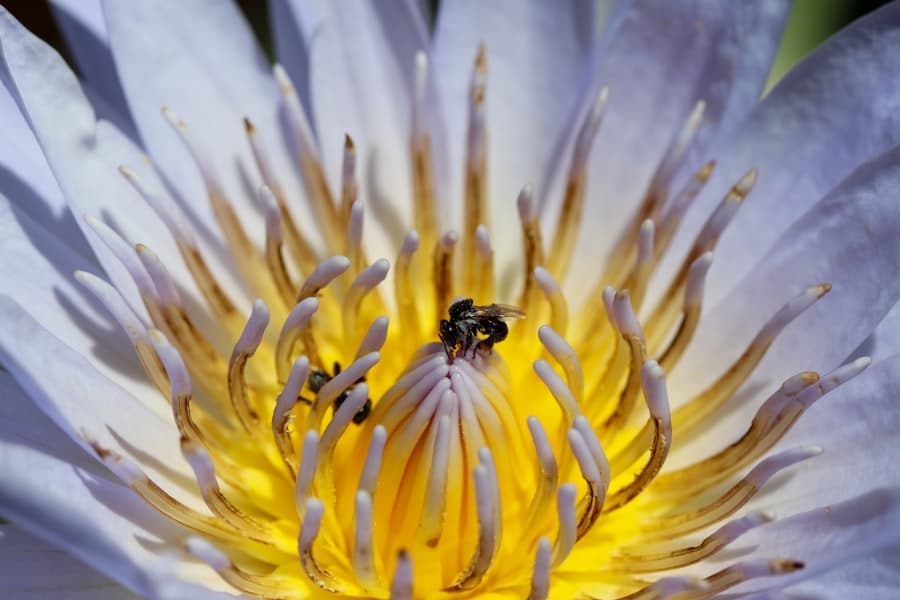
One of the most effective ways to promote biodiversity in your landscape is by incorporating native plants and habitats into your designs. Native plants are adapted to the local climate and soil conditions, making them more resilient and easier to maintain than non-native species. When you choose native plants for your garden, you provide food and shelter for local wildlife, including birds, butterflies, and beneficial insects.
This creates a thriving ecosystem that enhances the overall health of your landscape. In addition to selecting native plants, consider creating specific habitats within your landscape. For example, you might design a small wetland area or a pollinator garden that attracts bees and butterflies.
These intentional habitats not only beautify your space but also serve as critical resources for local wildlife. By integrating diverse habitats into your landscaping design, you contribute to the preservation of local ecosystems and promote a sense of harmony between nature and human activity.
Creating Sustainable and Low-Maintenance Landscapes
Sustainability is a key consideration when it comes to landscaping for biodiversity. You can create landscapes that require minimal maintenance while still supporting a rich array of life forms. By selecting drought-tolerant plants and implementing efficient irrigation systems, you can reduce water usage and minimize the need for chemical fertilizers and pesticides.
This not only benefits the environment but also saves you time and resources in the long run. Low-maintenance landscapes often rely on natural processes to thrive. For instance, using mulch can help retain soil moisture and suppress weeds, reducing the need for constant upkeep.
Additionally, incorporating permaculture principles into your design can create self-sustaining ecosystems that require less intervention. By embracing these sustainable practices, you can cultivate a landscape that is both beautiful and beneficial for biodiversity.
Attracting and Supporting Pollinators and Wildlife
Pollinators play an essential role in maintaining biodiversity by facilitating plant reproduction. To attract and support these vital creatures in your landscape, consider planting a variety of flowering plants that bloom at different times throughout the growing season. This ensures a continuous food source for pollinators like bees, butterflies, and hummingbirds.
You might also include features such as bee hotels or butterfly houses to provide shelter for these important species. In addition to attracting pollinators, it’s important to create an environment that supports other forms of wildlife. Incorporating features like bird feeders, water sources, and native shrubs can provide essential resources for birds and small mammals.
By designing your landscape with the needs of various species in mind, you contribute to a thriving ecosystem that benefits both wildlife and your enjoyment of the outdoors.
Implementing Water Conservation and Sustainable Irrigation Practices

Water conservation is a critical aspect of sustainable landscaping that directly impacts biodiversity. As climate change continues to affect weather patterns, implementing efficient irrigation practices becomes increasingly important. You can explore options such as drip irrigation systems or rainwater harvesting to reduce water waste while ensuring that your plants receive adequate moisture.
Additionally, consider designing your landscape with xeriscaping principles in mind. This approach emphasizes the use of drought-resistant plants and strategic placement to minimize water usage. By creating a landscape that thrives on minimal water input, you not only conserve this precious resource but also promote a healthier ecosystem that is better equipped to withstand periods of drought.
Enhancing Soil Health and Nutrient Cycling in Landscapes
Healthy soil is the foundation of any thriving landscape, playing a vital role in supporting plant growth and biodiversity. To enhance soil health, consider practices such as composting and mulching. These methods improve soil structure, increase organic matter content, and promote beneficial microbial activity.
When you prioritize soil health in your landscaping efforts, you create an environment where plants can flourish and support diverse life forms. Nutrient cycling is another essential aspect of maintaining healthy landscapes. By incorporating diverse plant species with varying root depths and nutrient requirements, you can promote a balanced ecosystem that naturally replenishes soil nutrients.
This reduces the need for synthetic fertilizers and encourages a more sustainable approach to landscaping. As you focus on enhancing soil health, you’ll find that your landscape becomes more resilient and capable of supporting a rich array of biodiversity.
Addressing Pest and Disease Management in Eco-Friendly Ways
Pest management is often a concern for homeowners looking to maintain their landscapes without harming beneficial organisms. You can adopt eco-friendly pest management strategies that prioritize natural solutions over chemical interventions. For instance, introducing beneficial insects like ladybugs or lacewings can help control pest populations without disrupting the ecosystem.
Additionally, practicing integrated pest management (IPM) allows you to monitor pest activity and implement targeted interventions when necessary. By focusing on prevention through healthy soil practices and diverse plantings, you can reduce the likelihood of pest outbreaks while minimizing harm to non-target species. This holistic approach not only protects your landscape but also contributes to the overall health of local ecosystems.
Collaborating with Local Ecosystems and Conservation Efforts
Your landscaping efforts can have a significant impact on local ecosystems when approached with collaboration in mind. Engaging with local conservation organizations or participating in community initiatives can help you align your landscaping goals with broader environmental objectives. By working together with others who share your passion for biodiversity, you can contribute to meaningful conservation efforts that benefit both people and wildlife.
Consider participating in local habitat restoration projects or supporting initiatives aimed at preserving native species. By collaborating with these efforts, you not only enhance your own landscape but also contribute to the health of regional ecosystems. This sense of community involvement fosters a deeper connection between your outdoor space and the natural world around you.
Educating Clients on the Benefits of Biodiversity in Landscaping
As a homeowner or property manager, educating yourself about the benefits of biodiversity in landscaping empowers you to make informed decisions about your outdoor spaces. Understanding how diverse plantings support wildlife, improve soil health, and enhance resilience against environmental challenges allows you to advocate for sustainable practices within your community. You might also consider sharing this knowledge with friends or neighbors who are interested in improving their landscapes.
Hosting workshops or informational sessions can help raise awareness about the importance of biodiversity in landscaping while inspiring others to take action. By becoming an advocate for biodiversity-focused landscaping practices, you contribute to a collective effort toward creating healthier environments for all.
Case Studies and Success Stories of Biodiversity-Focused Landscaping Projects
Exploring case studies and success stories of biodiversity-focused landscaping projects can provide valuable insights into effective practices and innovative designs. Many communities have embraced biodiversity as a guiding principle in their landscaping efforts, resulting in vibrant spaces that support local wildlife while enhancing aesthetic appeal. For instance, urban parks that incorporate native plant gardens have seen increased populations of pollinators and birds while providing educational opportunities for residents about local ecosystems.
Similarly, residential landscapes designed with biodiversity in mind have transformed backyards into thriving habitats that foster connections between people and nature. These success stories serve as inspiration for anyone looking to create their own biodiversity-rich landscapes. In conclusion, embracing biodiversity in landscaping is not just an aesthetic choice; it is an essential practice that supports ecological health and resilience.
By understanding its importance, collaborating with professionals, incorporating native plants, implementing sustainable practices, and educating others about its benefits, you can contribute to a thriving environment that nurtures both people and wildlife alike. Your efforts will not only beautify your surroundings but also play a vital role in preserving the delicate balance of our ecosystems for generations to come.
If you are interested in learning more about how landscaping services can promote biodiversity and support local ecosystems, you may want to check out this article on landscaping services in Denver, Colorado. This article discusses the unique challenges and opportunities for creating sustainable landscapes in a specific region, offering valuable insights into how landscaping professionals can help protect and enhance local ecosystems.
FAQs
What are landscaping services?
Landscaping services refer to the professional services provided to design, install, and maintain outdoor spaces, including gardens, lawns, and other landscaped areas.
How can landscaping services promote biodiversity?
Landscaping services can promote biodiversity by incorporating native plants, creating diverse habitats, and using sustainable landscaping practices that support local wildlife and ecosystems.
What are some ways landscaping services can support local ecosystems?
Landscaping services can support local ecosystems by using native plants, reducing water usage, minimizing chemical inputs, and creating habitats for local wildlife.
Why is promoting biodiversity and supporting local ecosystems important in landscaping?
Promoting biodiversity and supporting local ecosystems in landscaping helps to maintain a healthy and balanced environment, preserve native species, and contribute to the overall sustainability of the local ecosystem.
How can a landscaping service help in creating landscapes that promote biodiversity?
A landscaping service can help in creating landscapes that promote biodiversity by providing expertise in plant selection, habitat creation, and sustainable landscaping practices that support local wildlife and ecosystems.