
Imagine stepping into your backyard and being greeted by the gentle sound of water lapping against smooth stones, the vibrant colors of blooming flowers, and the soothing sight of a tranquil pond. Garden ponds are not just decorative elements; they are serene retreats that invite you to pause and reflect. The beauty of a garden pond lies in its ability to create a peaceful atmosphere, offering a sanctuary from the hustle and bustle of daily life.
As you sit by the water’s edge, you can feel the stress of the day melt away, replaced by a sense of calm and connection to nature. The visual appeal of a garden pond is enhanced by its dynamic ecosystem. The shimmering surface reflects the sky, while the surrounding flora adds layers of color and texture.
You may find yourself captivated by the dance of dragonflies skimming over the water or the gentle ripple created by a fish breaking the surface. Each element contributes to a harmonious environment that not only pleases the eye but also nourishes the soul. A garden pond can become a focal point in your landscape, drawing you and your guests into its serene embrace.
Key Takeaways
- Garden ponds bring beauty and serenity to outdoor spaces
- Waterfalls create a tranquil oasis in your garden
- Choosing the right location is crucial for a successful garden pond
- Selecting the perfect plants is essential for a thriving aquatic landscape
- Regular maintenance is key to keeping your pond healthy and clear
Creating a Tranquil Oasis with Waterfalls
Waterfalls are a stunning addition to any garden pond, transforming it into a tranquil oasis. The sound of cascading water creates a soothing ambiance that can drown out the noise of the outside world, allowing you to immerse yourself in nature’s symphony. As you design your waterfall, consider how the water will flow and the materials you will use.
Natural stones can create a rustic look, while smooth pebbles can lend a more polished appearance. The choice is yours, and each option offers its own unique charm. Incorporating a waterfall into your garden pond not only enhances its beauty but also promotes a healthy aquatic environment.
The movement of water helps to aerate it, ensuring that oxygen levels remain high for fish and plants alike. Additionally, waterfalls can help to filter out debris and keep your pond clean. As you watch the water tumble over rocks and into the pond below, you may find that this feature becomes your favorite spot to unwind after a long day.
The sight and sound of flowing water can transport you to a place of peace and tranquility.
Choosing the Right Location for Your Garden Pond
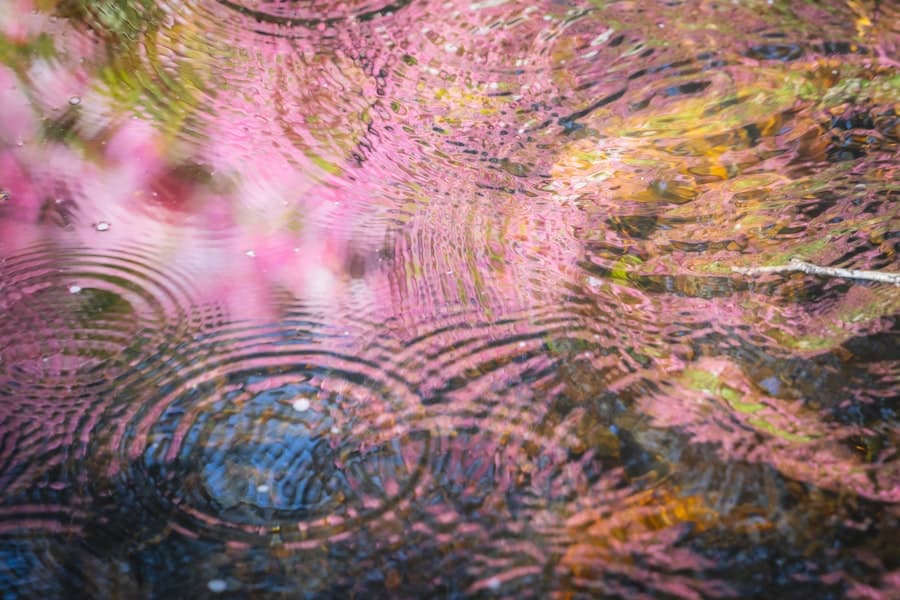
Selecting the perfect location for your garden pond is crucial to its success and enjoyment. You want to find a spot that receives adequate sunlight while also providing some shade throughout the day. Ideally, your pond should be situated in an area where you can easily observe it from your home or patio, allowing you to appreciate its beauty without having to venture too far.
Consider how the sun moves across your yard throughout the day; this will help you determine the best placement for your pond. Additionally, think about accessibility when choosing a location. You will need to maintain your pond regularly, so it should be easy to reach for tasks such as cleaning, adding plants, or feeding fish.
Avoid placing your pond too close to large trees, as falling leaves can create debris that clogs filters and detracts from the pond’s aesthetic appeal. By carefully considering these factors, you can create a harmonious space that enhances both your garden and your overall outdoor experience.
Selecting the Perfect Plants for Your Aquatic Landscape
The right plants can elevate your garden pond from ordinary to extraordinary. When selecting aquatic plants, consider their role in creating balance within your ecosystem. Floating plants like water lilies not only provide shade for fish but also add stunning blooms that enhance visual interest.
Marginal plants, such as cattails or irises, can be planted around the edges of your pond, softening its borders and providing habitat for wildlife. In addition to aesthetics, it’s essential to choose plants that will thrive in your specific climate and water conditions. Some plants prefer full sun, while others flourish in partial shade.
Researching native species can also be beneficial, as they are often better adapted to local conditions and require less maintenance. By thoughtfully selecting a variety of plants, you can create an aquatic landscape that is both beautiful and sustainable, inviting wildlife and enhancing the overall health of your pond.
Maintaining the Health and Clarity of Your Pond
To ensure that your garden pond remains a vibrant and healthy ecosystem, regular maintenance is essential. This includes monitoring water quality, removing debris, and checking for any signs of imbalance in the ecosystem. You may find it helpful to invest in water testing kits that allow you to measure pH levels, ammonia, and nitrate concentrations.
Keeping these parameters in check will help prevent algae blooms and ensure that your fish and plants thrive. In addition to testing water quality, consider implementing natural filtration methods to maintain clarity. Installing aquatic plants that absorb excess nutrients can help keep algae at bay while providing habitat for beneficial microorganisms.
Regularly skimming leaves and debris from the surface will also contribute to a cleaner pond environment. By dedicating time to maintenance, you can enjoy a crystal-clear pond that serves as a beautiful centerpiece in your garden.
Enhancing Your Garden Pond with Fish and Wildlife
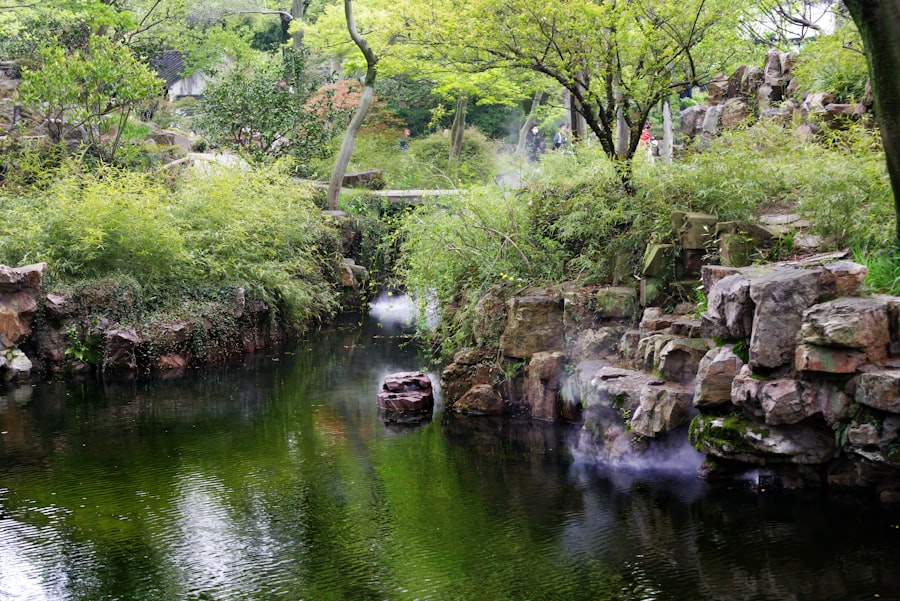
Considering the Size of Your Pond
However, it’s important to consider the size of your pond when selecting fish; overcrowding can lead to stress and health issues.
Creating an Inviting Habitat for Wildlife
In addition to fish, creating an inviting habitat for wildlife can enhance your pond’s ecosystem even further. Frogs, dragonflies, and birds are just a few examples of creatures that may visit or make their home near your pond.
Fostering Biodiversity in Your Garden Pond
To attract these animals, consider adding rocks or logs for shelter and nesting sites. By fostering biodiversity in your garden pond, you not only create a more dynamic environment but also contribute positively to local ecosystems.
Incorporating Water Features and Fountains
Water features such as fountains can add an extra layer of beauty and tranquility to your garden pond. The gentle sound of bubbling water creates an inviting atmosphere while also providing aeration for fish and plants. Fountains come in various styles—from classic tiered designs to modern sculptures—allowing you to choose one that complements your overall landscape aesthetic.
When incorporating a fountain into your garden pond, consider its placement carefully. You want it to be visible from key vantage points while ensuring it doesn’t overwhelm the natural beauty of the pond itself. Additionally, think about how the fountain’s height and flow rate will affect the surrounding area; too much splashing may create unwanted mess or noise.
By thoughtfully integrating water features into your design, you can enhance both the visual appeal and functionality of your aquatic landscape.
The Art of Designing a Natural-looking Waterfall
Designing a natural-looking waterfall requires careful planning and creativity. You want it to blend seamlessly with its surroundings while still making a statement. Start by selecting stones that match those found in nature; this will help create an authentic appearance.
Varying the size and shape of rocks will add visual interest as well as mimic how waterfalls occur in nature. As you construct your waterfall, pay attention to how water flows over rocks; it should cascade gently rather than plummet abruptly. This not only enhances aesthetics but also creates soothing sounds that contribute to the overall ambiance of your garden pond.
Consider incorporating plants around the waterfall area; ferns or mosses can soften hard edges while adding lush greenery that complements the flowing water beautifully.
Adding Lighting to Illuminate Your Aquatic Landscape
Lighting plays a crucial role in enhancing the beauty of your garden pond after sunset. Strategically placed lights can highlight key features such as waterfalls or unique plantings while creating an enchanting atmosphere for evening gatherings or quiet reflection. Submersible lights can illuminate the depths of your pond, allowing you to enjoy its beauty even at night.
When selecting lighting options, consider energy-efficient LED fixtures that provide bright illumination without consuming excessive power. Solar-powered lights are another eco-friendly choice that requires minimal installation effort while still delivering stunning results. By incorporating lighting into your design, you can transform your garden pond into a magical retreat that beckons you outside long after daylight fades.
Building and Installing Your Garden Pond and Waterfall
Building a garden pond with an accompanying waterfall may seem daunting at first, but with careful planning and execution, it can be an enjoyable project that adds immense value to your outdoor space. Start by sketching out your design on paper; this will help you visualize how everything will come together before breaking ground. Gather all necessary materials—such as liners, rocks, pumps—and ensure you have proper tools on hand.
Once you’ve chosen a location and gathered materials, begin excavating for both the pond and waterfall areas according to your design specifications. Take care to create varying depths within the pond; this will provide habitats for different aquatic life while enhancing visual interest. After installing liners and rocks, connect pumps for circulation before filling with water—this is where you’ll see your vision come to life!
With patience and attention to detail during construction, you’ll soon have a stunning garden pond complete with an enchanting waterfall.
Enjoying the Benefits of a Garden Pond and Waterfall in Your Outdoor Space
The benefits of having a garden pond with a waterfall extend far beyond mere aesthetics; they encompass emotional well-being, environmental impact, and recreational opportunities as well. Spending time near water has been shown to reduce stress levels while promoting relaxation—a perfect antidote for our fast-paced lives today! Whether you’re sipping coffee on a sunny morning or hosting friends for an evening gathering by candlelight, your garden pond will serve as an inviting backdrop for cherished moments.
Moreover, creating an ecosystem within your backyard contributes positively to local wildlife populations while enhancing biodiversity in urban areas where green spaces may be limited. By nurturing this environment through thoughtful design choices—such as selecting native plants or providing habitats for various species—you’ll play an active role in preserving nature’s delicate balance right outside your door! Ultimately, investing time into building and maintaining a beautiful garden pond with an accompanying waterfall will yield countless rewards—both for yourself and for generations yet to come.
If you are interested in creating a beautiful aquatic landscape in your backyard, you may also want to consider hiring a professional landscaping service. Companies like Albuquerque Landscaping Service, com/landscaping-service-columbus-ohio/’>Columbus Landscaping Service can help you design and install a stunning garden pond and waterfall that will truly transform your outdoor space. Their expertise and experience can ensure that your aquatic landscape is not only beautiful but also functional and sustainable.
FAQs
What are the benefits of having a garden pond and waterfall?
Garden ponds and waterfalls can enhance the aesthetic appeal of a garden, provide a habitat for aquatic plants and animals, and create a soothing and relaxing atmosphere.
What are some key considerations when designing a garden pond and waterfall?
Important factors to consider include the size and shape of the pond, the type of plants and fish to be included, the location of the waterfall, and the overall maintenance requirements.
What are some popular plants and fish for garden ponds?
Popular aquatic plants for garden ponds include water lilies, lotus, and water hyacinth. Common fish species for garden ponds include koi, goldfish, and mosquito fish.
What are the maintenance requirements for garden ponds and waterfalls?
Maintenance tasks for garden ponds and waterfalls may include regular cleaning, water quality testing, algae control, and winterizing the pond to protect plants and fish during colder months.
How can a garden pond and waterfall attract wildlife to the garden?
Garden ponds and waterfalls can attract a variety of wildlife, including birds, butterflies, frogs, and dragonflies, providing a natural and dynamic element to the garden landscape.