
As you step into the world of landscaping, you may find yourself at a crossroads between traditional practices and more sustainable approaches. Eco-friendly landscaping is not just a trend; it represents a profound shift in how you can interact with your environment. By embracing eco-friendly principles, you can create a beautiful outdoor space that not only enhances your property but also contributes positively to the ecosystem.
This approach emphasizes the importance of using natural resources wisely, reducing waste, and fostering biodiversity, all while maintaining aesthetic appeal. In an era where climate change and environmental degradation are pressing concerns, eco-friendly landscaping offers a practical solution. It encourages you to think critically about the materials you use, the plants you choose, and the overall impact of your landscaping choices.
By adopting these practices, you can cultivate a space that reflects your values and commitment to sustainability. Whether you are starting from scratch or looking to revamp an existing garden, understanding the principles of eco-friendly landscaping will empower you to make informed decisions that benefit both your home and the planet.
Key Takeaways
- Eco-friendly landscaping promotes sustainability and environmental conservation.
- Benefits of eco-friendly landscaping include reduced water usage, lower maintenance costs, and improved biodiversity.
- Designing an eco-friendly outdoor space involves using native plants, sustainable materials, and energy-efficient lighting.
- Choosing native plants for your landscape helps conserve water and supports local wildlife.
- Water conservation in landscaping can be achieved through techniques such as drip irrigation and rainwater harvesting.
Benefits of Eco-Friendly Landscaping
Environmental Benefits
By choosing sustainable practices, you can reduce your carbon footprint and contribute to the health of local ecosystems. For instance, using native plants can help restore natural habitats and support local wildlife, while minimizing the need for chemical fertilizers and pesticides. This not only promotes biodiversity but also creates a more resilient landscape that can withstand environmental stresses.
Cost Savings
Eco-friendly landscaping can lead to substantial cost savings over time. By implementing water-efficient irrigation systems and selecting drought-resistant plants, you can significantly reduce your water usage and lower your utility bills. Additionally, sustainable materials for hardscaping often require less maintenance and have longer lifespans than traditional options, which means fewer replacements and repairs in the long run.
A Smart Investment
Ultimately, investing in eco-friendly landscaping is not just an environmentally responsible choice; it is also a financially savvy one.
Designing an Eco-Friendly Outdoor Space
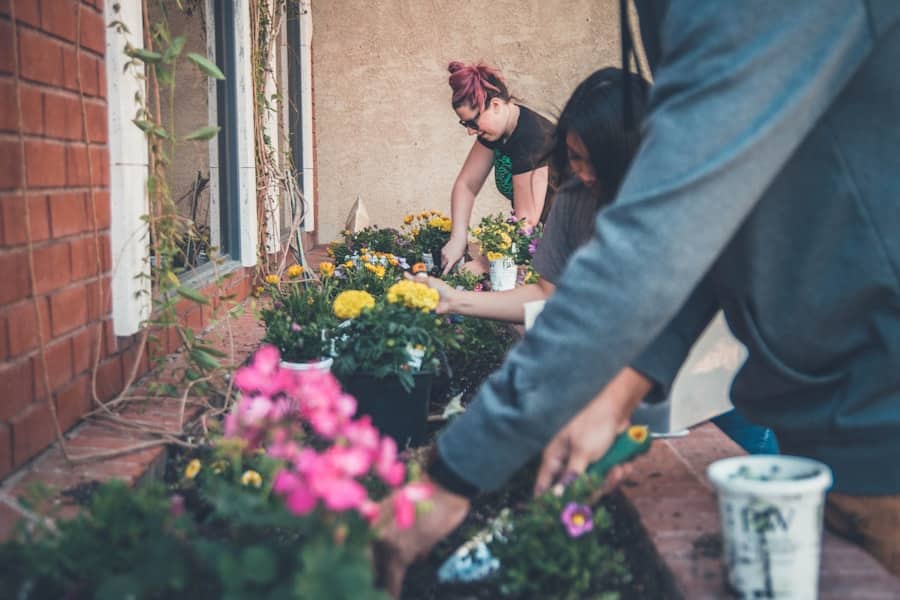
When it comes to designing an eco-friendly outdoor space, creativity knows no bounds. You have the opportunity to blend functionality with sustainability, creating a landscape that serves your needs while respecting the environment. Start by assessing your available space and considering how you want to use it.
Whether you envision a tranquil garden retreat, a vibrant vegetable patch, or a lively gathering area for friends and family, your design should reflect your lifestyle and values. Incorporating elements such as rain gardens, permeable paving, and natural stone pathways can enhance both the beauty and functionality of your landscape. These features not only add visual interest but also promote water management and soil health.
As you plan your layout, think about how different areas can work together harmoniously. For example, placing a compost bin near your vegetable garden can streamline your gardening efforts while enriching the soil naturally. By thoughtfully designing your outdoor space, you can create a cohesive environment that nurtures both you and the planet.
Choosing Native Plants for Your Landscape
Selecting native plants is one of the cornerstones of eco-friendly landscaping. These plants are adapted to your local climate and soil conditions, making them more resilient and easier to maintain than non-native species. When you choose native plants for your landscape, you are not only supporting local wildlife but also reducing the need for chemical fertilizers and pesticides.
This creates a healthier environment for both your garden and the surrounding ecosystem. In addition to their ecological benefits, native plants offer a diverse array of colors, textures, and forms that can enhance the beauty of your landscape. From vibrant wildflowers to sturdy shrubs, there is a native plant suitable for every corner of your garden.
As you explore your options, consider incorporating a mix of perennials and annuals to ensure year-round interest. By embracing native flora, you can create a stunning outdoor space that thrives naturally while providing essential habitat for pollinators and other wildlife.
Water Conservation in Landscaping
Water conservation is a critical aspect of eco-friendly landscaping that cannot be overlooked. With increasing concerns about water scarcity in many regions, adopting water-efficient practices is essential for sustainable gardening. One effective strategy is to implement drip irrigation systems that deliver water directly to the roots of plants, minimizing evaporation and runoff.
This targeted approach not only conserves water but also promotes healthier plant growth. Additionally, consider incorporating rainwater harvesting systems into your landscape design. By collecting rainwater from rooftops or paved surfaces, you can create a sustainable source of irrigation for your garden.
Installing rain barrels or cisterns allows you to store this precious resource for dry spells, reducing reliance on municipal water supplies. By prioritizing water conservation in your landscaping efforts, you can contribute to a more sustainable future while enjoying a lush and vibrant outdoor space.
Sustainable Materials for Hardscaping

When it comes to hardscaping—elements like patios, walkways, and retaining walls—the materials you choose play a significant role in the sustainability of your landscape. Opting for sustainable materials not only reduces environmental impact but also enhances the overall aesthetic of your outdoor space. Reclaimed wood, recycled concrete, and natural stone are excellent choices that offer durability while minimizing resource consumption.
Incorporating permeable paving into your hardscaping design is another effective way to promote sustainability. This type of paving allows rainwater to infiltrate the ground rather than running off into storm drains, helping to recharge groundwater supplies and reduce erosion. By carefully selecting sustainable materials for hardscaping projects, you can create functional outdoor spaces that align with eco-friendly principles while adding value to your property.
Composting and Mulching for Soil Health
Healthy soil is the foundation of any thriving garden, and composting is one of the best ways to enrich it naturally. By recycling kitchen scraps and yard waste into nutrient-rich compost, you can improve soil structure, enhance moisture retention, and promote beneficial microbial activity. This not only reduces waste sent to landfills but also provides an organic alternative to chemical fertilizers.
Mulching is another essential practice that complements composting by helping to retain soil moisture and suppress weeds. Organic mulches such as wood chips or straw break down over time, adding nutrients back into the soil while creating a protective barrier against temperature fluctuations. By incorporating both composting and mulching into your gardening routine, you can foster healthy soil that supports robust plant growth while minimizing environmental impact.
Integrated Pest Management in Eco-Friendly Landscaping
Managing pests in an eco-friendly manner requires a thoughtful approach that prioritizes prevention over chemical intervention. Integrated Pest Management (IPM) combines various strategies to control pest populations while minimizing harm to beneficial insects and the environment. Start by monitoring your garden regularly for signs of pest activity and identifying any potential issues before they escalate.
Encouraging natural predators such as ladybugs or lacewings can be an effective way to keep pest populations in check without resorting to harmful chemicals. Additionally, implementing companion planting—where certain plants are grown together to deter pests—can create a more balanced ecosystem within your garden. By adopting IPM practices, you can maintain a healthy landscape that thrives naturally while reducing reliance on synthetic pesticides.
Energy-Efficient Outdoor Lighting
Outdoor lighting plays a crucial role in enhancing the safety and ambiance of your landscape after dark. However, traditional lighting options can consume significant amounts of energy and contribute to light pollution. By opting for energy-efficient lighting solutions such as LED fixtures or solar-powered lights, you can illuminate your outdoor space sustainably while reducing energy costs.
Incorporating motion sensors or timers into your lighting design can further enhance energy efficiency by ensuring lights are only on when needed. Strategically placing lights along pathways or highlighting key features in your garden can create an inviting atmosphere without overwhelming the night sky with excessive brightness. By prioritizing energy-efficient outdoor lighting, you can enjoy a beautifully lit landscape while minimizing environmental impact.
Creating Habitat for Wildlife in Your Landscape
One of the most rewarding aspects of eco-friendly landscaping is the opportunity to create habitats for local wildlife. By designing your outdoor space with biodiversity in mind, you can attract birds, butterflies, bees, and other beneficial creatures that contribute to a healthy ecosystem. Incorporating native plants is essential for providing food sources and shelter for these animals.
Consider adding features such as birdhouses, bee hotels, or water sources like small ponds or birdbaths to further enhance wildlife habitat in your landscape. Creating diverse layers within your garden—such as tall trees, shrubs, and ground cover—can provide various niches for different species to thrive. By fostering an environment that supports wildlife, you not only enrich your landscape but also play a vital role in preserving local biodiversity.
Maintenance and Care for Eco-Friendly Landscapes
Maintaining an eco-friendly landscape requires ongoing care and attention but is often less labor-intensive than traditional gardening methods once established. Regularly monitoring plant health and soil conditions will help you identify any issues early on while allowing you to adjust care practices as needed. Emphasizing organic methods such as composting and mulching will contribute to long-term soil health without relying on synthetic inputs.
Seasonal maintenance tasks like pruning native plants or managing weeds through manual removal rather than chemical treatments will keep your landscape thriving sustainably. Additionally, staying informed about local environmental conditions will help you adapt your gardening practices accordingly—whether it’s adjusting watering schedules during dry spells or protecting plants from extreme weather events. By committing to regular maintenance with an eco-friendly mindset, you can enjoy a vibrant outdoor space that reflects both beauty and sustainability for years to come.
In conclusion, embracing eco-friendly landscaping offers numerous benefits that extend beyond aesthetics; it fosters environmental stewardship while enhancing the beauty of your outdoor space. From choosing native plants to implementing water conservation strategies and creating habitats for wildlife, every decision contributes positively to both your garden’s health and the planet’s well-being. As you embark on this journey toward sustainability in landscaping, remember that each small step counts toward creating a greener future for generations to come.
If you are looking to incorporate eco-friendly landscaping practices in your outdoor space, you may want to consider hiring a professional landscaping service. Companies like com/landscaping-service-arlington-texas/’>Arlington Landscaping Service, or Tulsa Landscaping Service can help you create a sustainable and environmentally friendly landscape design. By working with experts in the field, you can ensure that your outdoor space not only looks beautiful but also contributes to a healthier planet.
FAQs
What is eco-friendly landscaping?
Eco-friendly landscaping, also known as sustainable or green landscaping, involves designing and maintaining outdoor spaces in an environmentally responsible manner. This includes using native plants, conserving water, reducing chemical usage, and promoting biodiversity.
What are the benefits of eco-friendly landscaping?
Eco-friendly landscaping offers numerous benefits, including conservation of water and energy, reduction of chemical usage, promotion of biodiversity, and creation of healthy and sustainable outdoor spaces. It also helps to minimize the impact on the environment and supports local ecosystems.
How can I implement eco-friendly landscaping in my outdoor space?
You can implement eco-friendly landscaping by using native plants, practicing water conservation techniques such as drip irrigation and rainwater harvesting, avoiding chemical pesticides and fertilizers, and creating habitats for local wildlife. Additionally, using permeable paving materials and incorporating sustainable hardscaping elements can contribute to eco-friendly landscaping.
What are some examples of eco-friendly landscaping practices?
Examples of eco-friendly landscaping practices include xeriscaping (using drought-tolerant plants), mulching to retain soil moisture, composting organic waste, using integrated pest management techniques, and incorporating renewable materials such as reclaimed wood and recycled plastic into outdoor designs.
How does eco-friendly landscaping contribute to sustainability?
Eco-friendly landscaping contributes to sustainability by conserving natural resources, reducing pollution, and supporting local ecosystems. It also promotes a healthier and more resilient outdoor environment, which in turn benefits human health and well-being.