
The concept of healing gardens has roots that stretch back to ancient civilizations, where the therapeutic properties of nature were recognized and revered. In ancient Egypt, gardens were often designed with medicinal plants, serving both aesthetic and practical purposes. These spaces were not merely for leisure; they were integral to the healing practices of the time.
Similarly, in ancient Greece, Hippocrates, often referred to as the father of medicine, emphasized the importance of a healthy environment for recovery. He believed that exposure to nature could significantly enhance a patient’s healing process, leading to the establishment of gardens in hospitals and healing temples. As you move through history, the Renaissance period saw a resurgence in the appreciation of gardens, particularly in Europe.
Monasteries and convents cultivated gardens filled with herbs and flowers, which were used for both culinary and medicinal purposes. These gardens were often designed to be tranquil spaces where individuals could reflect and rejuvenate. Fast forward to the 19th century, and you find the establishment of public parks and botanical gardens, which were seen as essential for public health.
The Victorian era brought about a fascination with nature, leading to the creation of elaborate gardens that served as sanctuaries for urban dwellers. Today, healing gardens have evolved into a recognized therapeutic tool in healthcare settings, blending ancient wisdom with modern design principles to promote well-being.
Key Takeaways
- Healing gardens have been used since ancient times and continue to be an important part of modern healthcare.
- Healing gardens provide both mental and physical health benefits, including stress reduction and improved well-being.
- Design principles for healing gardens include incorporating natural elements, creating a sense of tranquility, and promoting accessibility for all individuals.
- Nature plays a crucial role in healing and well-being, with exposure to natural elements leading to positive health outcomes.
- Successful case studies of healing garden projects demonstrate the positive impact of these spaces on individuals’ health and well-being.
The Benefits of Healing Gardens for Mental and Physical Health
Healing gardens offer a multitude of benefits that extend beyond mere aesthetics. When you step into a well-designed healing garden, you may find that your stress levels begin to decrease almost immediately. Research has shown that spending time in nature can lower cortisol levels, which are often elevated during periods of stress.
The calming effect of greenery, combined with the soothing sounds of water or birdsong, creates an environment conducive to relaxation and mental clarity. This is particularly beneficial for individuals dealing with anxiety or depression, as the natural surroundings can provide a sense of peace and grounding. Moreover, healing gardens can significantly enhance physical health.
Studies have indicated that patients recovering from surgery or illness experience shorter recovery times when they have access to nature. The presence of plants and flowers can improve air quality and promote physical activity, encouraging individuals to engage in gentle exercise like walking or gardening. For those in healthcare settings, these gardens can serve as a vital space for rehabilitation, allowing patients to connect with nature while they heal.
The combination of mental and physical benefits makes healing gardens an invaluable resource for promoting overall well-being.
Design Principles for Creating a Healing Garden
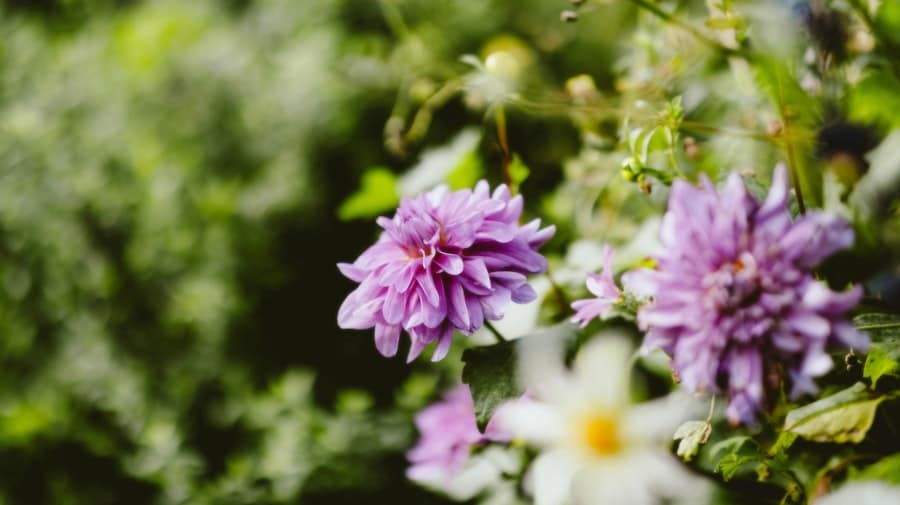
When it comes to designing a healing garden, several key principles should guide your approach. First and foremost, consider the layout and accessibility of the space. A well-designed healing garden should be easy to navigate, with pathways that invite exploration while accommodating individuals with mobility challenges.
You might envision wide, smooth paths lined with fragrant plants that engage the senses and encourage visitors to linger. Incorporating seating areas throughout the garden allows for moments of rest and reflection, enhancing the overall experience. Another essential design principle is the selection of plants.
You should choose a diverse array of flora that not only provides visual interest but also offers sensory stimulation through scent and texture. Native plants are often a great choice, as they are well-adapted to the local environment and can attract beneficial wildlife like butterflies and birds. Additionally, consider incorporating elements such as water features or sculptures that can evoke tranquility and inspire contemplation.
By thoughtfully combining these elements, you can create a healing garden that nurtures both body and spirit.
The Role of Nature in Healing and Well-being
Nature plays a pivotal role in promoting healing and well-being, acting as a powerful antidote to the stresses of modern life. When you immerse yourself in natural surroundings, your body responds positively; heart rates slow down, blood pressure decreases, and feelings of anxiety diminish. This connection to nature is not merely anecdotal; numerous studies have demonstrated that exposure to green spaces can lead to improved mental health outcomes.
You may find that even a short walk through a park or garden can elevate your mood and foster a sense of connection to something greater than yourself. Furthermore, nature has an innate ability to inspire mindfulness—a practice that has gained significant attention in recent years for its mental health benefits. As you engage with your surroundings, whether by observing the intricate patterns of leaves or listening to the rustle of wind through branches, you become more present in the moment.
This mindfulness can help reduce rumination and negative thought patterns that often accompany stress and anxiety. By integrating nature into your daily life through healing gardens or green spaces, you can cultivate a deeper sense of well-being that permeates all aspects of your existence.
Case Studies: Successful Healing Garden Projects
Examining successful healing garden projects can provide valuable insights into their design and implementation. One notable example is the Healing Garden at the University of California San Francisco Medical Center. This garden was specifically designed for patients undergoing treatment for cancer and other serious illnesses.
It features a variety of plants known for their calming properties, along with walking paths that encourage gentle movement. Patients have reported feeling more relaxed and less anxious after spending time in this serene environment, highlighting the garden’s positive impact on their overall well-being. Another inspiring case is the Chelsea Physic Garden in London, which has been in existence since 1673.
This historic garden focuses on medicinal plants and serves as an educational resource for visitors interested in herbal medicine. The garden not only provides a peaceful retreat but also fosters community engagement through workshops and events centered around health and wellness. By showcasing the relationship between plants and healing, this garden exemplifies how healing spaces can educate while promoting mental and physical health.
Incorporating Accessibility and Inclusivity in Healing Garden Design
Creating an inclusive healing garden requires thoughtful consideration of accessibility for all individuals, regardless of their physical abilities. You should prioritize universal design principles that ensure everyone can enjoy the benefits of the garden. This includes wide pathways that accommodate wheelchairs and walkers, as well as tactile elements for those with visual impairments.
Incorporating raised garden beds allows individuals who may have difficulty bending down to participate in gardening activities without strain. Additionally, consider incorporating sensory elements that cater to diverse needs. For instance, fragrant plants can engage those with limited sight, while textured surfaces can provide tactile stimulation for individuals with sensory processing challenges.
By fostering an inclusive environment where everyone feels welcome, you create a space that truly embodies the spirit of healing—one that recognizes and celebrates diversity while promoting well-being for all.
The Importance of Sensory Stimulation in Healing Gardens
Sensory stimulation is a crucial aspect of healing gardens that enhances their therapeutic potential. When you engage your senses—sight, sound, smell, touch, and even taste—you create a richer experience that can evoke positive emotions and memories. For instance, vibrant flowers can captivate your eyes while fragrant herbs stimulate your sense of smell.
The gentle rustling of leaves or the sound of water trickling from a fountain can soothe your mind and promote relaxation. Incorporating sensory elements into your healing garden design can also support cognitive function and emotional regulation. For individuals with dementia or other cognitive impairments, familiar scents or textures can trigger memories and spark conversations.
You might consider adding interactive features like sensory pathways made from different materials or edible plants that invite visitors to taste as they explore. By prioritizing sensory stimulation in your garden design, you create an immersive environment that nurtures both mental health and emotional well-being.
Healing Garden Features: Water, Plants, and Wildlife
The features you choose to include in your healing garden play a significant role in its overall effectiveness as a therapeutic space. Water elements are particularly impactful; whether it’s a small pond, fountain, or stream, the sound of flowing water has been shown to reduce stress levels and promote relaxation. You might envision a tranquil pond surrounded by lush greenery where visitors can sit quietly and reflect or meditate.
Plants are another essential component of healing gardens. Selecting a diverse range of flora not only enhances visual appeal but also supports biodiversity by attracting wildlife such as birds and butterflies. Incorporating native plants ensures that your garden thrives within its local ecosystem while providing habitats for various species.
Additionally, consider including edible plants or herbs that visitors can harvest; this not only engages the senses but also fosters a sense of connection to nature’s bounty.
The Relationship Between Healing Gardens and Stress Reduction
The relationship between healing gardens and stress reduction is well-documented in both scientific literature and personal testimonials. When you spend time in a healing garden, your body undergoes physiological changes that promote relaxation—heart rates slow down, muscle tension decreases, and feelings of anxiety diminish. The mere act of being surrounded by greenery can trigger a sense of calmness that is often elusive in our fast-paced lives.
Moreover, engaging with nature encourages mindfulness—a practice known for its ability to reduce stress levels significantly. As you immerse yourself in the sights and sounds of your surroundings, you become more present in the moment rather than preoccupied with worries about the past or future. This shift in focus allows you to cultivate resilience against stressors while fostering emotional well-being.
By incorporating healing gardens into your life or community spaces, you create opportunities for individuals to reconnect with nature and experience profound stress relief.
The Future of Healing Gardens: Innovations and Trends
As society continues to recognize the importance of mental health and well-being, the future of healing gardens looks promising with innovative trends emerging across various sectors. One notable trend is the integration of technology into garden design—think interactive installations that engage visitors through augmented reality experiences or apps that provide information about plant species and their therapeutic benefits. These innovations can enhance visitor engagement while making healing gardens more accessible to diverse audiences.
Another exciting development is the growing emphasis on biophilic design principles in urban planning. As cities become increasingly crowded, there is a push to incorporate green spaces into urban environments—transforming rooftops into lush gardens or repurposing vacant lots into community green spaces. This trend not only promotes mental health but also addresses environmental concerns by improving air quality and supporting biodiversity within urban settings.
How to Create a Healing Garden at Home or in a Healthcare Setting
Creating your own healing garden—whether at home or within a healthcare setting—can be an incredibly rewarding endeavor that promotes well-being for yourself or others around you. Start by assessing available space; even small balconies or courtyards can be transformed into tranquil retreats with careful planning. Consider incorporating elements such as seating areas where individuals can relax amidst nature’s beauty.
Next, focus on plant selection based on sensory appeal—choose fragrant flowers like lavender or herbs like rosemary that engage multiple senses while providing therapeutic benefits. Incorporate features like water elements or wind chimes to enhance relaxation further; these auditory stimuli can create soothing atmospheres conducive to mindfulness practices. Finally, involve others in the process!
Whether it’s family members helping plant seeds at home or patients participating in gardening activities at healthcare facilities—engaging individuals fosters community connections while promoting shared experiences centered around healing through nature. In conclusion, healing gardens represent an intersection between nature’s beauty and human well-being—a timeless concept rooted deeply within our history yet continually evolving alongside modern needs for mental health support amidst today’s challenges! By understanding their benefits designing thoughtfully inclusive spaces prioritizing sensory stimulation incorporating innovative trends—we can cultivate environments where everyone thrives!
If you are interested in creating a healing garden, you may also want to consider making your landscape more sustainable. This article on how to make your landscape more sustainable provides tips and ideas for reducing your environmental impact while still enjoying a beautiful outdoor space. By incorporating sustainable practices into your landscaping, you can create a space that not only benefits your well-being but also the planet.
FAQs
What is a healing garden?
A healing garden is a carefully designed outdoor space that is intended to promote healing, reduce stress, and provide a therapeutic environment for individuals experiencing physical or mental health challenges.
What are the benefits of healing gardens?
Healing gardens have been shown to have a range of benefits, including reducing stress, anxiety, and depression, improving mood and overall well-being, lowering blood pressure, and promoting physical activity and relaxation.
How are healing gardens designed to be therapeutic?
Healing gardens are designed to be therapeutic by incorporating elements such as natural vegetation, water features, sensory stimulation, and accessibility for individuals with mobility challenges. The design also takes into account the needs and preferences of the intended users, such as patients, caregivers, or healthcare staff.
Where are healing gardens typically found?
Healing gardens can be found in a variety of settings, including hospitals, healthcare facilities, hospices, rehabilitation centers, and residential care facilities. They may also be located in public spaces, such as parks or community gardens, for the benefit of the general public.
Are there specific design principles for creating healing gardens?
Yes, there are specific design principles for creating healing gardens, which may include considerations such as providing a variety of sensory experiences, incorporating natural elements, creating spaces for solitude and social interaction, and ensuring accessibility for all users. These principles are based on research and best practices in therapeutic garden design.
How can individuals benefit from spending time in a healing garden?
Individuals can benefit from spending time in a healing garden by experiencing reduced stress and anxiety, improved mood and well-being, increased relaxation, and a sense of connection to nature. The experience of being in a healing garden can also provide opportunities for physical activity, social interaction, and spiritual reflection.