
Feng Shui, an ancient Chinese practice, emphasizes the importance of harmony and balance in our environments. When applied to gardens, it transforms outdoor spaces into sanctuaries that promote well-being and tranquility. You may find that a Feng Shui garden not only enhances the aesthetic appeal of your home but also fosters a sense of peace and connection with nature.
By understanding and implementing the principles of Feng Shui, you can create a garden that resonates with positive energy, or “Chi,” allowing you to enjoy a more fulfilling outdoor experience. As you embark on this journey of creating a Feng Shui garden, consider how your outdoor space can reflect your personal values and aspirations. The garden serves as an extension of your home, a place where you can unwind, reflect, and connect with the natural world.
By integrating Feng Shui principles into your garden design, you can cultivate an environment that nurtures your spirit and enhances your overall quality of life.
Key Takeaways
- Feng Shui in the garden promotes harmony and positive energy flow.
- Understanding the principles of Feng Shui helps in creating a balanced and peaceful garden layout.
- Choosing the right plants and incorporating water features can enhance positive energy in the garden.
- Utilizing natural materials and enhancing the flow of chi with pathways and structures can ground the garden space.
- Balancing yin and yang, using color and light, and maintaining the garden are essential for enjoying the benefits of a harmonious outdoor living space.
Understanding the Principles of Feng Shui
At the heart of Feng Shui lies the concept of Chi, the life force that flows through all living things. In your garden, Chi can be influenced by various elements, including layout, materials, and plant selection. Understanding how to harness this energy is crucial for creating a harmonious space.
You may want to familiarize yourself with the five elements of Feng Shui: wood, fire, earth, metal, and water. Each element plays a unique role in balancing energy and can be incorporated into your garden design in various ways. Another essential principle is the idea of balance between Yin and Yang.
Yin represents passive, nurturing energy, while Yang embodies active, dynamic energy. In your garden, achieving a balance between these two forces can create a sense of harmony that promotes relaxation and rejuvenation. By thoughtfully considering the placement of plants, structures, and features in your garden, you can cultivate an environment that supports both restful and invigorating experiences.
Creating a Harmonious Layout in the Garden
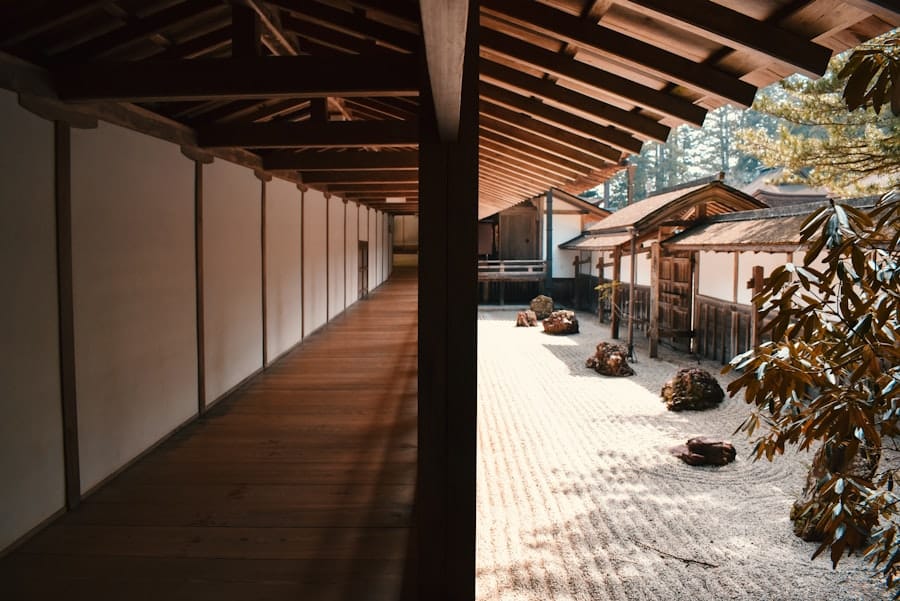
The layout of your garden is fundamental to its overall energy flow. You might start by envisioning a design that encourages movement and exploration while also providing areas for rest and contemplation. Consider using curved pathways instead of straight lines; this can help to soften the energy flow and create a more inviting atmosphere.
As you plan your layout, think about how different areas can serve distinct purposes—perhaps a quiet nook for meditation or a vibrant space for social gatherings. Incorporating zones within your garden can also enhance its functionality and appeal. You may want to designate areas for specific activities, such as growing vegetables or creating a flower bed for pollinators.
By organizing your garden into distinct sections, you can create a sense of order that promotes positive energy flow. Additionally, consider the placement of larger structures like trees or fences; these elements can act as barriers or shields that protect your garden from negative influences while allowing positive Chi to circulate freely.
Choosing the Right Plants for Positive Energy
Selecting plants that resonate with positive energy is a vital aspect of creating a Feng Shui garden. You may want to choose plants based on their symbolism and characteristics. For instance, bamboo is often associated with strength and flexibility, making it an excellent choice for promoting resilience in your space.
Similarly, flowering plants like peonies symbolize prosperity and good fortune, while fragrant herbs can enhance the sensory experience of your garden. When choosing plants, consider their growth habits and how they interact with one another. You might want to create layers in your garden by combining tall plants with shorter ones to create depth and visual interest.
Additionally, think about incorporating plants that attract beneficial wildlife, such as butterflies and bees. These creatures not only contribute to the ecosystem but also bring vibrant energy to your garden space.
Incorporating Water Features for Balance
Water is a powerful element in Feng Shui, symbolizing abundance and prosperity. By incorporating water features into your garden design, you can enhance the flow of Chi while creating a soothing atmosphere. You might consider adding a small pond, fountain, or even a birdbath to invite tranquility into your outdoor space.
The sound of flowing water can be incredibly calming and serves as a natural backdrop for relaxation. When positioning water features, aim for locations that allow for easy viewing from various angles within your garden. This way, you can enjoy the beauty and serenity they provide from different vantage points.
Additionally, ensure that the water feature is well-maintained; stagnant water can attract negative energy and disrupt the harmony you seek to cultivate in your garden.
Utilizing Natural Materials for Grounding

Incorporating natural materials into your garden design can help ground the energy within the space. You may want to use stones, wood, or clay pots to create pathways or borders that connect different areas of your garden. These materials not only add texture and visual interest but also resonate with the earth element, promoting stability and balance.
Consider using locally sourced materials whenever possible; this not only supports sustainability but also helps to create a sense of place within your garden. You might choose river stones for pathways or reclaimed wood for raised beds—each element contributes to the overall grounding effect of your space. By thoughtfully selecting materials that align with Feng Shui principles, you can enhance the energy flow while creating a beautiful and cohesive design.
Enhancing the Flow of Chi with Pathways and Structures
Pathways play a crucial role in guiding Chi through your garden. As you design these pathways, think about how they can encourage exploration while also providing clear routes to different areas of your space. Curved paths are often preferred in Feng Shui as they promote gentle energy flow; you might consider using gravel or stepping stones to create an inviting trail that meanders through your garden.
In addition to pathways, consider incorporating structures such as trellises or arbors to define spaces within your garden. These elements can create vertical interest while also serving as focal points that draw the eye upward. You may want to plant climbing vines around these structures to enhance their beauty and further promote positive energy flow throughout your outdoor space.
Balancing Yin and Yang in the Garden Space
Achieving balance between Yin and Yang is essential for creating a harmonious garden environment. You might start by assessing the existing elements in your space—are there areas that feel overly bright or chaotic? If so, consider introducing more calming elements like shaded seating areas or soft-textured plants to promote Yin energy.
Conversely, if certain areas feel too stagnant or dull, you could add vibrant flowers or dynamic sculptures to invigorate those spaces with Yang energy. As you work towards this balance, pay attention to how different elements interact with one another. For example, pairing bold architectural features with soft plantings can create visual contrast while maintaining harmony within the overall design.
By thoughtfully considering the interplay between Yin and Yang in your garden, you can cultivate an environment that supports both relaxation and vitality.
Using Color and Light to Influence Energy
Color plays a significant role in Feng Shui, influencing mood and energy levels within your garden space. You may want to choose colors based on their symbolic meanings—reds and oranges are often associated with warmth and passion, while blues and greens evoke calmness and tranquility. By strategically incorporating these colors through flowers, foliage, or decorative elements, you can enhance the overall energy of your garden.
Light is another crucial factor in shaping the atmosphere of your outdoor space. Consider how natural light interacts with different areas throughout the day; you might want to position seating areas where you can bask in sunlight during the morning or enjoy shade during hotter afternoons. Additionally, incorporating lighting features such as lanterns or string lights can extend the usability of your garden into the evening hours while creating a warm and inviting ambiance.
Maintaining and Caring for a Feng Shui Garden
Creating a Feng Shui garden is just the beginning; ongoing maintenance is essential for preserving its harmony and positive energy flow. Regularly tending to plants by pruning dead foliage or removing weeds helps maintain balance within the space. You may also want to establish a routine for cleaning water features to ensure they remain vibrant and inviting.
As you care for your garden, take time to connect with it on a deeper level. Consider practicing mindfulness while gardening—this could involve focusing on the sensations of soil beneath your hands or listening to the sounds of nature around you. By cultivating this connection with your outdoor space, you not only enhance its beauty but also deepen your own sense of well-being.
Enjoying the Benefits of a Harmonious Outdoor Living Space
Once you’ve created a Feng Shui garden that resonates with positive energy, it’s time to fully embrace its benefits. You may find that spending time in this harmonious outdoor living space enhances your mood and overall well-being. Whether you’re enjoying quiet moments alone or hosting gatherings with friends and family, your garden can serve as a sanctuary that nurtures connection and joy.
As you continue to engage with your Feng Shui garden over time, remember that it is an evolving space—one that reflects both nature’s rhythms and your personal journey. By remaining open to change and adapting as needed, you can ensure that your outdoor sanctuary remains a source of inspiration and tranquility for years to come. Ultimately, embracing the principles of Feng Shui in your garden allows you to cultivate not just beauty but also a profound sense of peace and fulfillment in your life.
If you are interested in incorporating Feng Shui principles into your garden design, you may also want to check out The Landscaping Service’s article on how they can help create a harmonious outdoor living space. Their expertise in project timeline and execution, as discussed in this article, can ensure that your garden transformation is completed efficiently and effectively. Additionally, if you are looking for ways to finance your landscaping services, this article provides valuable information on the best ways to do so. By combining the principles of Feng Shui with professional landscaping services, you can create a beautiful and balanced outdoor space that promotes positive energy flow and harmony.
FAQs
What is Feng Shui?
Feng Shui is a traditional Chinese practice that involves arranging the environment to create harmony and balance. It is based on the idea that the arrangement of objects and elements in a space can affect the flow of energy, or “chi.”
How does Feng Shui apply to the garden?
In the context of a garden, Feng Shui involves creating a harmonious and balanced outdoor space by considering the placement of plants, water features, pathways, and other elements to optimize the flow of energy and create a sense of tranquility.
What are some key principles of Feng Shui in the garden?
Some key principles of Feng Shui in the garden include creating a balance of yin and yang energies, incorporating the five elements (wood, fire, earth, metal, and water), and ensuring that pathways and plantings allow for the smooth flow of energy throughout the space.
How can I apply Feng Shui principles to my garden?
You can apply Feng Shui principles to your garden by carefully considering the placement of plants, water features, and other elements to create a sense of balance and harmony. This may involve using specific colors, shapes, and materials to enhance the flow of energy in the space.
What are some common Feng Shui elements for the garden?
Common Feng Shui elements for the garden include water features such as fountains or ponds, strategically placed rocks or boulders, pathways that meander and flow, and the use of specific plants and flowers to enhance the energy of the space.
Can Feng Shui in the garden improve my well-being?
According to Feng Shui principles, creating a harmonious and balanced outdoor space can have a positive impact on your well-being by promoting a sense of tranquility, reducing stress, and enhancing the flow of positive energy in your environment.