
When you think about your garden, the first images that come to mind may be vibrant flowers, lush greenery, and perhaps a cozy seating area. However, the magic of your outdoor space can truly come alive when the sun sets, and this is where landscape lighting plays a pivotal role. Landscape lighting not only enhances the beauty of your garden but also extends its usability into the evening hours.
Imagine hosting a dinner party under the stars, with soft lights illuminating your favorite plants and pathways, creating an inviting atmosphere for you and your guests. Incorporating landscape lighting into your garden design is more than just a practical decision; it’s an artistic endeavor. The right lighting can highlight architectural features, create focal points, and even influence the mood of your outdoor space.
As you embark on this journey of illuminating your garden, consider how different lighting techniques can transform your environment, making it a sanctuary that you can enjoy day or night.
Key Takeaways
- Landscape lighting can enhance the beauty and functionality of your garden, creating a welcoming and safe outdoor space.
- Choose fixtures that are suitable for the specific needs of your garden, considering factors such as size, style, and function.
- Positioning lights strategically can maximize their effect, highlighting key features and creating depth and dimension in the landscape.
- Different areas of the garden may require different types of lighting, such as task lighting for pathways and accent lighting for focal points.
- Incorporating energy-efficient options, such as LED lights and solar-powered fixtures, can reduce energy consumption and lower maintenance costs.
Choosing the Right Fixtures for Your Garden
Selecting the appropriate fixtures for your garden is crucial in achieving the desired aesthetic and functionality. You’ll want to consider the style of your home and garden when choosing fixtures. For instance, if you have a modern home with clean lines, sleek and minimalist fixtures may complement your space beautifully.
On the other hand, if your garden has a more traditional or rustic feel, lantern-style lights or vintage-inspired fixtures could enhance its charm. Additionally, think about the specific areas you want to illuminate. Pathway lights are essential for guiding guests safely through your garden, while spotlights can draw attention to particular plants or sculptures.
You might also want to consider wall-mounted fixtures for patios or decks, which can provide both light and a decorative element. By carefully selecting fixtures that align with your garden’s theme and purpose, you can create a cohesive look that enhances the overall appeal of your outdoor space.
Positioning Lights for Maximum Effect
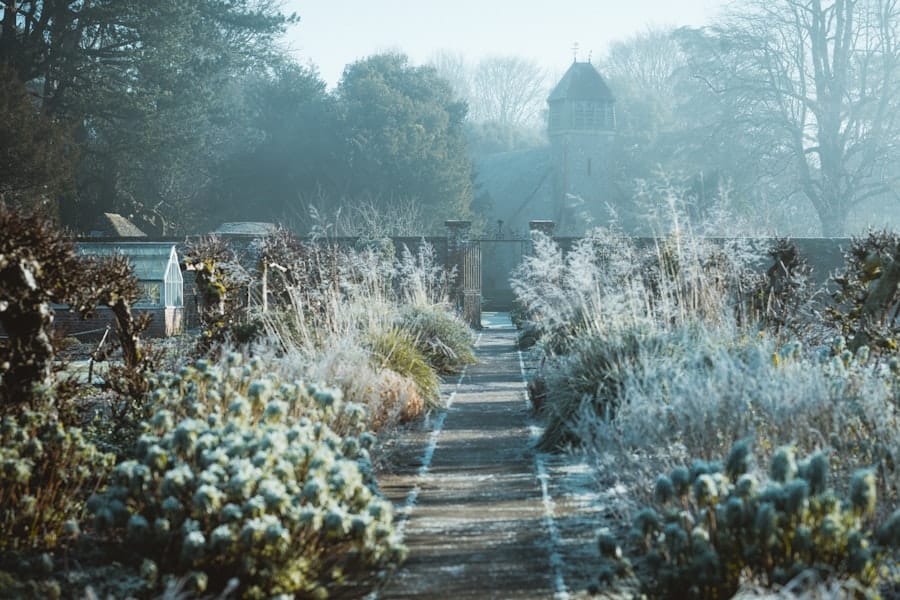
Once you’ve chosen your fixtures, the next step is to position them strategically throughout your garden. The placement of lights can dramatically affect how your outdoor space is perceived. For instance, uplighting can create dramatic shadows and highlight the textures of trees or architectural features, while downlighting can mimic natural moonlight, providing a soft glow that enhances the ambiance without overwhelming the senses.
As you plan the layout of your lights, consider the focal points in your garden. Are there particular plants or structures that you want to showcase? Positioning lights to accentuate these features can create visual interest and depth.
Additionally, think about the pathways and seating areas; adequate lighting in these spaces not only enhances safety but also invites people to explore and enjoy your garden after dark.
Using Different Types of Lighting for Different Areas
Different areas of your garden may require different types of lighting to achieve the best effect. For example, ambient lighting is ideal for creating a warm and inviting atmosphere in seating areas or patios. This type of lighting is typically softer and more diffused, allowing for comfortable conversation without harsh glare.
You might achieve this with string lights draped overhead or lanterns placed on tables. In contrast, task lighting is essential for functional areas such as outdoor kitchens or workspaces. Bright, focused lights will help you prepare meals or complete projects safely and efficiently.
Finally, accent lighting can be used to highlight specific features like water fountains or unique plant specimens. By understanding the various types of lighting available and their intended purposes, you can create a well-rounded lighting scheme that caters to all aspects of your garden.
Incorporating Energy-Efficient Options
In today’s environmentally conscious world, incorporating energy-efficient lighting options into your landscape design is not only responsible but also cost-effective. LED lights have become increasingly popular due to their longevity and low energy consumption. By choosing LED fixtures, you can significantly reduce your energy bills while still enjoying beautiful illumination in your garden.
Moreover, solar-powered lights are another excellent option for those looking to minimize their environmental impact. These lights harness sunlight during the day and automatically illuminate at night, requiring no wiring or electricity. While they may not be as bright as traditional fixtures, they can still provide adequate lighting for pathways and accent areas.
By opting for energy-efficient solutions, you not only contribute to a healthier planet but also enjoy the benefits of reduced maintenance and operational costs.
Avoiding Over-Illumination

While it may be tempting to flood your garden with light, over-illumination can detract from its beauty and create an uncomfortable atmosphere. Striking a balance between visibility and ambiance is key to effective landscape lighting. You want to ensure that pathways are well-lit for safety while still maintaining a sense of tranquility in more intimate areas.
To avoid over-illumination, consider using dimmers or timers that allow you to adjust the brightness according to the occasion. Additionally, strategically placing lights at varying heights can help create layers of light that add depth without overwhelming the senses. By being mindful of how much light you use and where it’s placed, you can create a serene environment that invites relaxation rather than distraction.
Considering Safety and Security
Safety should always be a priority when designing your landscape lighting plan. Well-lit pathways are essential for preventing trips and falls, especially in areas where uneven surfaces may exist. Installing lights along walkways and near steps will not only enhance safety but also provide peace of mind for you and your guests.
In addition to safety concerns, security is another important aspect to consider. Properly illuminated outdoor spaces can deter potential intruders by eliminating dark corners where they might hide. Motion-sensor lights are particularly effective in this regard; they activate when movement is detected, providing an added layer of security while conserving energy when no one is around.
By thoughtfully integrating safety and security features into your landscape lighting design, you can create a welcoming environment that feels safe at all times.
Creating Ambiance with Color and Intensity
The color and intensity of your landscape lighting play a significant role in setting the mood of your outdoor space. Warm white lights tend to create a cozy atmosphere perfect for gatherings or quiet evenings spent outdoors. In contrast, cooler white lights can lend a more modern feel and are often used in contemporary designs.
You might also consider incorporating colored lights for special occasions or seasonal celebrations. For instance, using red and green lights during the holidays can add festive cheer to your garden, while soft pastels might be perfect for springtime gatherings. By experimenting with different colors and intensities, you can transform your garden into a dynamic space that reflects your personality and enhances various occasions throughout the year.
Maintenance and Care for Landscape Lighting
To ensure that your landscape lighting remains effective and beautiful over time, regular maintenance is essential. Start by checking all fixtures periodically for any signs of wear or damage. Cleaning lenses and bulbs will help maintain brightness and clarity; dirt and debris can significantly diminish light output.
Additionally, inspect wiring connections and replace any burnt-out bulbs promptly to avoid dark spots in your garden. If you have solar-powered lights, make sure they are positioned correctly to receive adequate sunlight during the day. By dedicating time to maintain your landscape lighting system, you’ll ensure that it continues to enhance your outdoor space for years to come.
Avoiding Light Pollution and Glare
As you design your landscape lighting plan, it’s important to be mindful of light pollution and glare. Excessive artificial light can disrupt local wildlife and diminish the natural beauty of the night sky. To combat this issue, focus on directing light where it’s needed rather than allowing it to spill into unwanted areas.
Using shielded fixtures can help contain light within designated spaces while minimizing glare for those enjoying your garden. Additionally, consider using lower wattage bulbs or dimmers to reduce overall brightness without sacrificing visibility. By taking these steps, you can create an inviting outdoor environment that respects both nature and those who inhabit it.
Enhancing Your Garden with Thoughtful Lighting Choices
In conclusion, thoughtful landscape lighting choices can significantly enhance the beauty and functionality of your garden. By carefully selecting fixtures, positioning them effectively, and considering various types of lighting for different areas, you can create an enchanting outdoor space that invites exploration and enjoyment long after sunset. Incorporating energy-efficient options not only benefits the environment but also reduces costs over time.
As you embark on this journey of illuminating your garden, remember to prioritize safety while avoiding over-illumination that could detract from its charm. With attention to detail in color selection and intensity, along with regular maintenance practices, you’ll ensure that your landscape lighting remains a source of joy for years to come. Ultimately, by embracing these principles, you’ll transform your garden into a captivating retreat that reflects your personal style while enhancing its natural beauty under the stars.
If you’re looking to enhance your outdoor space with landscape lighting, you may also be interested in learning how to prepare your landscape for summer. This article provides tips on getting your garden ready for the warmer months ahead. Additionally, if you’re considering hiring professional help for your landscaping needs, you can explore the different landscaping services available by checking out this link. For those in Jersey City, New Jersey, you can find a reputable landscaping service by visiting this