
Watering frequency is a critical aspect of gardening that can significantly influence the health and vitality of your plants. When you consider how often to water, you must recognize that each plant has unique needs based on its species, growth stage, and environmental conditions. By understanding these requirements, you can create a watering schedule that promotes optimal growth and minimizes stress on your plants.
Overwatering or underwatering can lead to a host of problems, including root rot, nutrient deficiencies, and stunted growth. Therefore, establishing the right frequency is essential for maintaining a thriving garden. Moreover, the importance of watering frequency extends beyond just the plants themselves; it also affects the overall ecosystem of your garden.
Consistent watering helps maintain soil moisture levels, which in turn supports beneficial microorganisms and earthworms that contribute to soil health. When you water at appropriate intervals, you encourage deep root growth, allowing plants to access nutrients more effectively. This balance not only enhances the resilience of your plants but also fosters a more sustainable gardening practice.
Key Takeaways
- Understanding the Importance of Watering Frequency:
- Consistent watering is crucial for plant health and growth.
- Overwatering or underwatering can lead to stress and damage to plants.
- The Impact of Watering Duration on Plant Health:
- Longer watering durations promote deeper root growth and overall plant resilience.
- Short watering durations may lead to shallow root systems and increased susceptibility to drought.
- Factors to Consider When Choosing Watering Frequency:
- Climate, soil type, plant type, and stage of growth all influence watering needs.
- Monitoring soil moisture and plant response is essential for determining the right watering frequency.
- The Benefits of Running Sprinklers Longer:
- Deep watering encourages roots to grow deeper, making plants more resilient to drought.
- It helps to reduce water loss through evaporation and promotes better water penetration.
- The Benefits of Watering More Often:
- Frequent watering can be beneficial for plants during hot and dry periods.
- It helps to maintain consistent soil moisture levels, promoting healthy plant growth.
- The Drawbacks of Running Sprinklers Longer:
- Overwatering can lead to waterlogged soil, root rot, and nutrient leaching.
- It may increase the risk of fungal diseases and attract pests to the garden.
- The Drawbacks of Watering More Often:
- Frequent watering without allowing the soil to dry out can lead to shallow root growth.
- It may increase the risk of water wastage and contribute to higher water bills.
- Finding the Right Balance for Your Garden:
- Balancing watering frequency and duration is essential for promoting healthy plant growth.
- Adjusting watering practices based on seasonal changes and plant needs is crucial.
- Tips for Efficient Watering:
- Use mulch to retain soil moisture and reduce the need for frequent watering.
- Water plants in the early morning or late afternoon to minimize water loss through evaporation.
- The Role of Soil Type in Watering Frequency:
- Soil composition affects water retention and drainage, influencing watering frequency.
- Understanding the soil type helps in determining the appropriate watering schedule for different areas of the garden.
- Conclusion: Finding the Best Watering Strategy for Your Garden:
- A tailored approach to watering, considering plant needs and environmental factors, is key to a successful garden.
- Regular monitoring and adjustments to watering practices are essential for maintaining healthy and thriving plants.
The Impact of Watering Duration on Plant Health
The duration of watering is just as crucial as the frequency with which you water your plants. When you water for a longer period, you allow moisture to penetrate deeper into the soil, reaching the root zone where it is most needed. This deep watering encourages roots to grow downwards, making them more resilient to drought conditions.
Conversely, if you water for a short duration, you may only moisten the top layer of soil, leading to shallow root systems that are more susceptible to stress and disease. Additionally, the impact of watering duration can vary depending on the type of plants you are cultivating. For instance, deep-rooted plants like trees and shrubs benefit from longer watering sessions that saturate the soil deeply.
On the other hand, shallow-rooted plants may require more frequent but shorter watering sessions to ensure they receive adequate moisture without becoming waterlogged. Understanding these nuances will help you tailor your watering practices to meet the specific needs of your garden.
Factors to Consider When Choosing Watering Frequency

When determining how often to water your garden, several factors come into play. One of the most significant considerations is the climate in which you live. In hotter, drier regions, plants may require more frequent watering to compensate for evaporation and transpiration losses.
Conversely, in cooler or more humid climates, you may find that your plants need less frequent watering due to slower evaporation rates. Monitoring local weather patterns can provide valuable insights into adjusting your watering schedule accordingly. Soil type is another critical factor that influences watering frequency.
Sandy soils drain quickly and may necessitate more frequent watering compared to clay soils, which retain moisture for longer periods. Additionally, the presence of organic matter in your soil can affect its water-holding capacity. By assessing your soil type and its moisture retention capabilities, you can make informed decisions about how often to water your garden.
The Benefits of Running Sprinklers Longer
Running sprinklers for extended periods can offer several advantages for your garden. One primary benefit is that it allows for deeper penetration of water into the soil, ensuring that moisture reaches the root zone effectively. This deep watering encourages robust root development and helps plants become more drought-resistant over time.
When roots are well-established and able to access moisture from deeper layers of soil, your plants will thrive even during dry spells. Another advantage of longer sprinkler sessions is that they can help reduce the frequency of watering needed overall. By saturating the soil thoroughly during each session, you may find that your plants can go longer between waterings.
This not only saves time but also conserves water resources, making your gardening practices more sustainable. Additionally, longer watering sessions can help prevent surface runoff, allowing more water to be absorbed by the soil rather than wasted.
The Benefits of Watering More Often
Watering more frequently can be beneficial in certain situations, particularly for young or newly planted seedlings that require consistent moisture to establish their roots. Frequent watering helps maintain a steady level of soil moisture, which is crucial for young plants as they adapt to their new environment. This practice can lead to quicker establishment and healthier growth in the early stages of development.
Moreover, frequent watering can be advantageous during particularly hot or windy days when evaporation rates are high. In such conditions, your plants may lose moisture rapidly, making it essential to provide them with additional water to prevent stress. By adjusting your watering schedule to accommodate these environmental factors, you can ensure that your plants remain hydrated and healthy throughout their growing season.
The Drawbacks of Running Sprinklers Longer
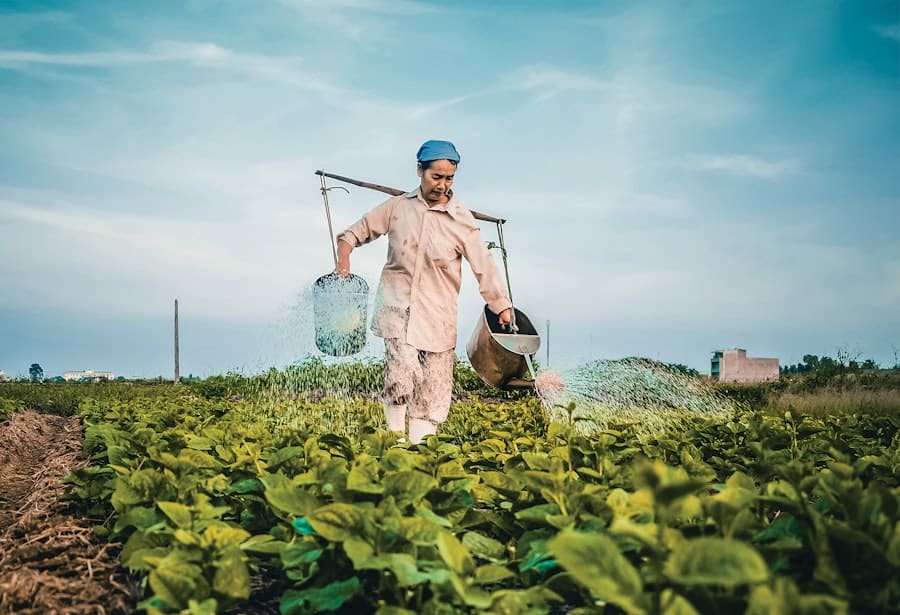
While there are benefits to running sprinklers for extended periods, there are also potential drawbacks that you should consider. One significant concern is the risk of overwatering, which can lead to waterlogged soil and root rot. If the soil remains saturated for too long, it can deprive roots of oxygen and create an environment conducive to fungal diseases.
Therefore, it’s essential to monitor soil moisture levels and adjust your watering duration accordingly. Another drawback is that longer watering sessions can lead to increased evaporation losses if done during peak sunlight hours. Watering in the heat of the day may result in a significant portion of the water evaporating before it reaches the roots.
To mitigate this issue, consider scheduling longer watering sessions during cooler parts of the day, such as early morning or late afternoon.
The Drawbacks of Watering More Often
While frequent watering has its advantages, it also comes with certain drawbacks that you should be aware of as a gardener. One major concern is the potential for shallow root development. When plants receive water too frequently at the surface level, they may not be encouraged to grow deeper roots in search of moisture.
This can make them more vulnerable during dry spells when surface moisture evaporates quickly. Additionally, watering too often can lead to nutrient leaching from the soil. When water is applied frequently in small amounts, it may wash away essential nutrients before they have a chance to be absorbed by plant roots.
This nutrient loss can result in deficiencies that hinder plant growth and overall health. To avoid these issues, it’s crucial to strike a balance between frequency and duration when planning your watering strategy.
Finding the Right Balance for Your Garden
Finding the right balance between watering frequency and duration is key to maintaining a healthy garden. Start by observing your plants and their specific needs; different species will have varying requirements based on their growth habits and environmental conditions. Keep an eye on factors such as leaf color and wilting; these signs can indicate whether your plants are receiving adequate moisture or if adjustments are necessary.
Experimentation is also an essential part of finding this balance. You may need to adjust your watering schedule based on seasonal changes or shifts in weather patterns. Keeping a gardening journal can help you track what works best for your garden over time.
By documenting your observations and results, you’ll be better equipped to refine your approach and ensure that your plants receive the care they need.
Tips for Efficient Watering
To maximize the effectiveness of your watering practices, consider implementing some efficient techniques. One effective method is using drip irrigation systems or soaker hoses that deliver water directly to the root zone while minimizing evaporation losses. These systems allow for targeted watering and can save both time and resources compared to traditional sprinkler methods.
Another tip is to mulch around your plants with organic materials such as wood chips or straw. Mulching helps retain soil moisture by reducing evaporation rates and regulating soil temperature. This practice not only conserves water but also suppresses weeds that compete with your plants for nutrients and moisture.
The Role of Soil Type in Watering Frequency
Soil type plays a pivotal role in determining how often you should water your garden. Sandy soils drain quickly and require more frequent watering due to their inability to retain moisture effectively. In contrast, clay soils hold onto water for longer periods but may become compacted and restrict root growth if overwatered.
Loamy soils strike a balance between drainage and retention, making them ideal for many types of plants. Understanding your soil type will help you tailor your watering practices accordingly. Conducting a simple soil test can provide insights into its composition and moisture retention capabilities.
By knowing how your soil behaves under different conditions, you can make informed decisions about how often and how much to water.
Finding the Best Watering Strategy for Your Garden
In conclusion, developing an effective watering strategy requires careful consideration of various factors such as plant needs, climate conditions, soil type, and environmental influences. By understanding the importance of both watering frequency and duration, you can create a balanced approach that promotes healthy plant growth while conserving resources. Remember that gardening is an ongoing learning process; what works today may need adjustment tomorrow as conditions change throughout the seasons.
By staying observant and flexible in your approach, you’ll be well on your way to cultivating a thriving garden that flourishes under your care.
If you are looking for more information on landscaping services, you may want to check out this article about landscaping services in Chicago, Illinois. It can provide valuable insights into how to maintain a beautiful outdoor space.
FAQs
What is the best way to water your lawn with sprinklers?
The best way to water your lawn with sprinklers is to water deeply and infrequently. This means running the sprinklers for a longer period of time, but less often.
Why is it better to run sprinklers longer but less often?
Running sprinklers for a longer period of time allows the water to penetrate deeper into the soil, promoting deeper root growth for your grass. Watering less often encourages the roots to grow deeper in search of water, making your lawn more drought-resistant.
What are the drawbacks of running sprinklers more often but for shorter periods of time?
Running sprinklers more often but for shorter periods of time can lead to shallow root growth, making your lawn more susceptible to drought and heat stress. It can also contribute to water runoff and waste.
How can I determine the best watering schedule for my lawn?
The best watering schedule for your lawn will depend on factors such as soil type, grass type, and climate. It’s important to consider these factors and adjust your watering schedule accordingly. You can also use a soil moisture meter to determine when it’s time to water your lawn.