
When you embark on a journey to design your landscape, color becomes one of the most powerful tools at your disposal. It is not merely an aesthetic choice; it influences mood, perception, and even the way you experience your outdoor space. The colors you choose can evoke feelings of tranquility, excitement, or warmth, shaping the atmosphere of your garden or yard.
By understanding the role of color in landscape design, you can create a space that resonates with your personal style and enhances your overall well-being. In landscape design, color can serve multiple purposes. It can guide the eye through a space, highlight specific features, or create focal points that draw attention.
For instance, a vibrant red flower can stand out against a backdrop of green foliage, creating a striking visual contrast. Additionally, color can be used to create depth and dimension; cooler colors tend to recede, making spaces feel larger, while warmer colors advance, bringing elements closer together. By thoughtfully considering how color interacts with various elements in your landscape, you can craft a harmonious and inviting environment.
Key Takeaways
- Color plays a crucial role in landscape design, influencing the overall mood and atmosphere of the outdoor space.
- Understanding the psychology of color in garden design is essential for creating the desired emotional impact and visual interest.
- Selecting plants for seasonal color allows for a dynamic and ever-changing landscape throughout the year.
- Creating harmonious color schemes involves careful consideration of complementary and contrasting colors to achieve a balanced and visually appealing design.
- Using foliage for color and texture adds depth and interest to the landscape, even when flowers are not in bloom.
The Psychology of Color in Garden Design
The psychology of color plays a significant role in how you perceive and interact with your garden. Different colors evoke different emotions and responses. For example, blue is often associated with calmness and serenity, making it an excellent choice for a peaceful retreat.
On the other hand, yellow is linked to happiness and energy, perfect for creating a lively atmosphere. Understanding these associations allows you to select colors that align with the feelings you wish to cultivate in your outdoor space. Moreover, the psychological impact of color extends beyond mere aesthetics; it can influence how you feel when spending time in your garden.
A garden filled with warm colors like reds and oranges may energize you and inspire creativity, while cooler shades like greens and blues can promote relaxation and contemplation. By being mindful of the emotional responses elicited by different colors, you can design a garden that not only looks beautiful but also nurtures your mental and emotional well-being.
Selecting Plants for Seasonal Color
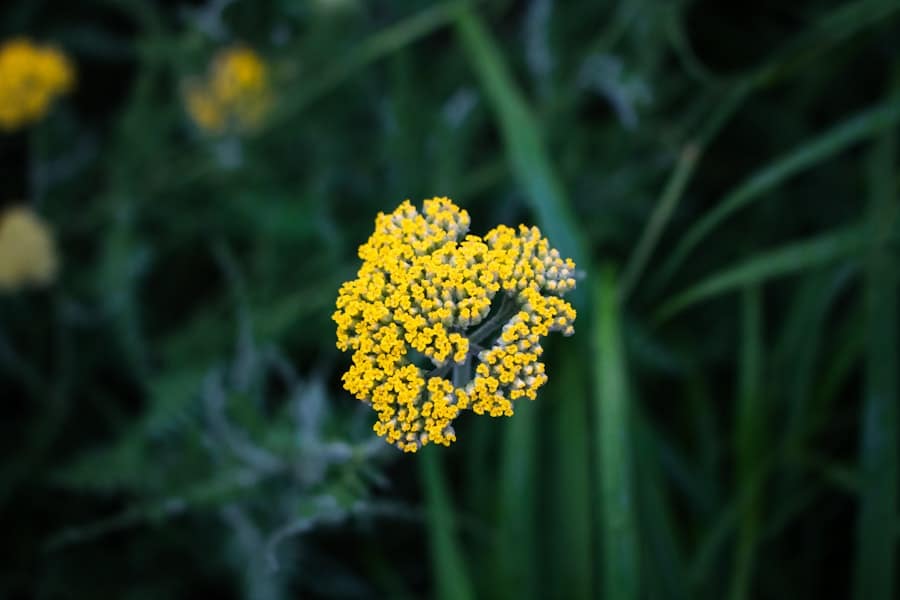
One of the most exciting aspects of landscape design is the opportunity to select plants that provide seasonal color throughout the year. By choosing a diverse array of plants that bloom or change color with the seasons, you can ensure that your garden remains vibrant and engaging no matter the time of year. Spring may bring forth tulips and daffodils, while summer showcases sunflowers and hydrangeas.
In autumn, consider adding ornamental grasses or fall-blooming asters to keep the color alive as the leaves begin to change. When selecting plants for seasonal color, it’s essential to consider not only their blooming periods but also their foliage. Some plants have leaves that change color dramatically in the fall, providing an additional layer of interest.
For instance, maples are renowned for their stunning autumn hues, while evergreens maintain their rich green throughout winter. By thoughtfully curating a selection of plants that offer visual interest across seasons, you can create a dynamic landscape that continually evolves.
Creating Harmonious Color Schemes
Creating a harmonious color scheme is crucial for achieving a cohesive look in your landscape design. You might find it helpful to explore color theory principles such as complementary, analogous, or monochromatic schemes. Complementary colors—those opposite each other on the color wheel—can create striking contrasts that energize your space.
For example, pairing purple flowers with yellow foliage can create a vibrant display that captures attention. Alternatively, you may prefer an analogous color scheme, which involves using colors that are next to each other on the color wheel. This approach creates a more subtle and serene effect, perfect for gardens designed for relaxation.
For instance, using shades of blue and green can evoke a sense of calmness and tranquility. By experimenting with different color schemes and understanding how they interact with one another, you can achieve a balanced and visually appealing landscape.
Using Foliage for Color and Texture
While flowers often steal the spotlight in garden design, foliage plays an equally important role in adding color and texture to your landscape. The leaves of plants come in various shapes, sizes, and colors, providing an opportunity to create depth and interest even when blooms are not present. Consider incorporating plants with variegated leaves or those that exhibit unique textures to enhance the visual appeal of your garden.
In addition to their aesthetic value, foliage can also serve practical purposes in your landscape design. For instance, evergreen plants provide year-round structure and color, while deciduous plants offer seasonal variety as their leaves change throughout the year. By thoughtfully selecting foliage that complements your flowering plants, you can create a rich tapestry of colors and textures that keeps your garden engaging even during off-seasons.
Incorporating Colorful Blooms
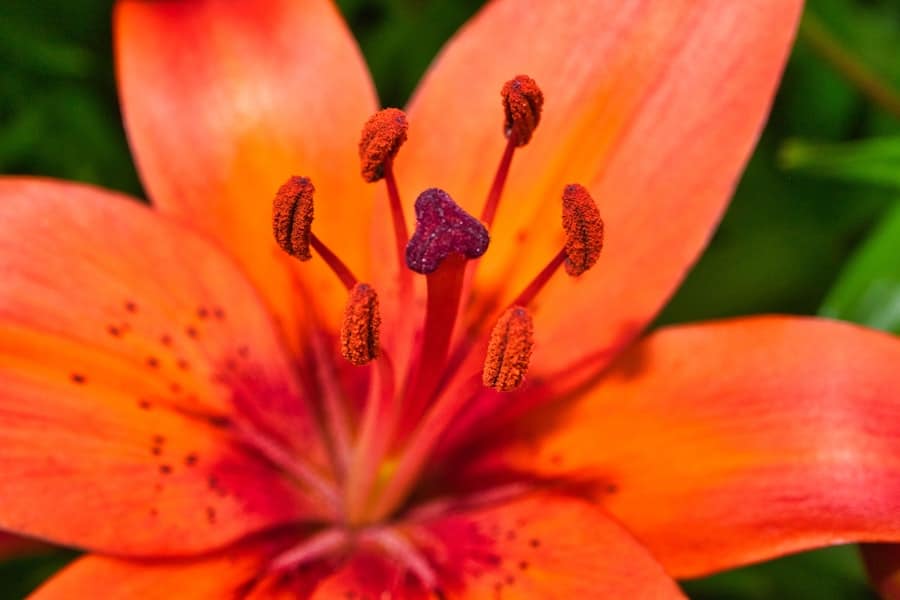
Colorful blooms are often the centerpiece of any garden design, bringing vibrancy and life to your outdoor space. When selecting flowering plants, consider not only their colors but also their blooming periods to ensure continuous interest throughout the growing season. You might choose early bloomers like crocuses and hyacinths for spring, followed by summer stalwarts like roses and daisies, and finally autumn favorites like chrysanthemums.
Incorporating colorful blooms also allows you to play with height and layering in your garden design. Taller plants can serve as backdrops for shorter ones, creating a visually appealing arrangement that draws the eye upward. Additionally, consider mixing different flower shapes and sizes to add further interest to your landscape.
By thoughtfully arranging colorful blooms within your garden beds, you can create stunning displays that captivate both you and your visitors.
Choosing Plants for Year-Round Color
To maintain a vibrant landscape throughout the year, it’s essential to choose plants that provide color across all seasons. This approach requires careful planning and selection but can yield stunning results. Start by incorporating evergreens that retain their foliage year-round; these plants provide structure and greenery even in winter months when other plants may be dormant.
In addition to evergreens, consider selecting deciduous plants that offer seasonal interest through their flowers or foliage changes. For example, some trees exhibit beautiful blossoms in spring while others showcase brilliant fall colors. By combining these elements thoughtfully, you can create a landscape that remains visually appealing regardless of the season.
Considering the Impact of Light on Color
Light plays a crucial role in how colors are perceived in your landscape design. The quality and angle of light can dramatically alter how colors appear throughout the day. For instance, morning light tends to be softer and cooler, enhancing blues and greens, while afternoon light is warmer and more intense, making reds and yellows pop.
Understanding how light interacts with your chosen colors will help you make informed decisions about plant placement and selection. Additionally, consider how shadows cast by trees or structures may affect the visibility of certain colors in your garden. Some plants may thrive in full sun while others prefer partial shade; knowing these preferences will help you create a balanced landscape where all elements can shine at their best.
By being mindful of light conditions in your garden design process, you can enhance the overall impact of your chosen colors.
Incorporating Colorful Accents and Accessories
Beyond plants themselves, colorful accents and accessories can elevate your landscape design significantly. Consider incorporating decorative elements such as garden sculptures, colorful pots, or vibrant outdoor furniture to add personality to your space. These accents can serve as focal points or complement existing plantings while introducing additional layers of color.
When selecting accessories for your garden, think about how they harmonize with your overall color scheme. A bright blue bench might beautifully contrast with lush green foliage or serve as a striking backdrop for colorful blooms. By thoughtfully integrating these elements into your landscape design, you can create an inviting atmosphere that reflects your unique style.
Maintaining Colorful Landscapes
Creating a colorful landscape is just the beginning; maintaining it is equally important to ensure its longevity and vibrancy over time. Regular care such as watering, pruning, and fertilizing will help keep your plants healthy and thriving. Additionally, be vigilant about pests or diseases that could detract from the beauty of your garden.
Seasonal maintenance tasks are also essential for preserving color throughout the year. Deadheading spent blooms encourages new growth while removing fallen leaves prevents disease buildup during winter months. By committing to regular upkeep of your colorful landscape, you’ll ensure it remains a source of joy and inspiration for years to come.
Experimenting with Unexpected Color Combinations
One of the most exciting aspects of landscape design is the opportunity to experiment with unexpected color combinations that challenge traditional norms. Don’t be afraid to mix bold hues or pair contrasting shades; sometimes the most striking designs come from taking risks with color choices. For instance, combining deep purples with bright yellows may seem unconventional but can create an eye-catching display when done thoughtfully.
As you explore these combinations, consider how different textures interact with various colors as well. A soft lavender flower paired with spiky red foliage creates visual tension that draws attention while adding depth to your design. By embracing creativity in your color choices and being open to experimentation, you can craft a truly unique landscape that reflects your personality and vision.
In conclusion, understanding the role of color in landscape design opens up a world of possibilities for creating beautiful outdoor spaces that resonate with emotion and aesthetic appeal. From selecting seasonal plants to incorporating colorful accents and experimenting with unexpected combinations, each decision contributes to the overall harmony of your landscape. By embracing these principles and allowing yourself to explore various options creatively, you can cultivate a vibrant garden that brings joy throughout every season.
If you are interested in creating a vibrant landscape with native plants, you may want to check out this article on native plants and wildlife gardens. This article provides valuable information on how to incorporate native plants into your landscaping design to attract wildlife and create a sustainable garden. By selecting the right plants for your region, you can enhance the beauty of your outdoor space while also supporting local ecosystems.
FAQs
What is plant selection for vibrant landscapes?
Plant selection for vibrant landscapes refers to the process of choosing and arranging plants in a way that creates a visually appealing and colorful outdoor environment. This involves considering factors such as plant size, shape, texture, and most importantly, color.
Why is plant selection important for vibrant landscapes?
Plant selection is important for vibrant landscapes because it determines the overall aesthetic appeal of the outdoor space. By carefully choosing plants with a variety of colors and textures, a landscape can be transformed into a visually stunning and dynamic environment.
What factors should be considered when selecting plants for vibrant landscapes?
When selecting plants for vibrant landscapes, it is important to consider factors such as the climate and growing conditions of the area, the desired color scheme, the size and shape of the plants, and their maintenance requirements. It is also important to consider the seasonal changes in color and foliage.
How can plant selection create a symphony of colors in a landscape?
By carefully selecting plants with a variety of colors, textures, and foliage, a landscape can be transformed into a symphony of colors. This can be achieved by choosing plants that bloom at different times of the year, have contrasting foliage, and complement each other in terms of color and form.
What are some popular plant choices for creating vibrant landscapes?
Popular plant choices for creating vibrant landscapes include flowering perennials such as roses, lilies, and daisies, as well as ornamental grasses, shrubs, and trees with colorful foliage. Additionally, annual flowers and bulbs can be used to add seasonal bursts of color to the landscape.