
In recent years, terrariums have surged in popularity, captivating the hearts of plant enthusiasts and casual decorators alike. These miniature ecosystems, often housed within glass containers, offer a unique way to bring a slice of nature into your home. As urban living spaces become increasingly compact, the desire for greenery has led many to seek out innovative solutions that fit their lifestyle.
Terrariums not only serve as beautiful decor but also provide a sense of tranquility and connection to the natural world, making them an appealing choice for those looking to enhance their indoor environments. The rise of terrariums can be attributed to several factors, including the growing interest in sustainable living and the wellness movement. As you navigate through your busy life, the calming presence of plants can create a serene atmosphere, helping to reduce stress and improve your overall well-being.
Furthermore, terrariums are relatively low-maintenance compared to traditional houseplants, making them an ideal option for individuals who may not have a green thumb. This combination of aesthetic appeal and practicality has solidified terrariums as a beloved trend in home decor.
Key Takeaways
- Terrariums are miniature ecosystems that bring nature indoors, creating a unique and beautiful addition to any space.
- The appeal of terrariums lies in their ability to bring a piece of nature into the home, providing a sense of tranquility and connection to the natural world.
- Terrariums offer numerous benefits, including improving air quality, reducing stress, and adding a touch of greenery to indoor spaces.
- When choosing plants for your terrarium, it’s important to consider their size, growth habits, and light and moisture requirements to create a healthy and balanced ecosystem.
- DIY terrariums are a popular way to create personalized miniature ecosystems at home, and there are many design trends and inspirations to explore for creating unique terrariums.
Understanding the Appeal of Terrariums: Why People are Embracing Miniature Ecosystems
Personalized Expression
Whether you prefer a lush, tropical landscape or a minimalist desert scene, there is a terrarium design that can resonate with your aesthetic preferences. Moreover, terrariums offer an engaging hobby that allows you to connect with nature on a deeper level.
A Rewarding Experience
As you curate your miniature ecosystem, you become more attuned to the needs of plants and the delicate balance required to maintain a thriving environment. This hands-on experience can be incredibly rewarding, fostering a sense of accomplishment as you watch your terrarium flourish.
Mindfulness and Appreciation
The act of nurturing these tiny ecosystems can also serve as a form of mindfulness, providing you with an opportunity to slow down and appreciate the beauty of life in its many forms.
The Benefits of Terrariums: How Miniature Ecosystems Can Improve Indoor Spaces
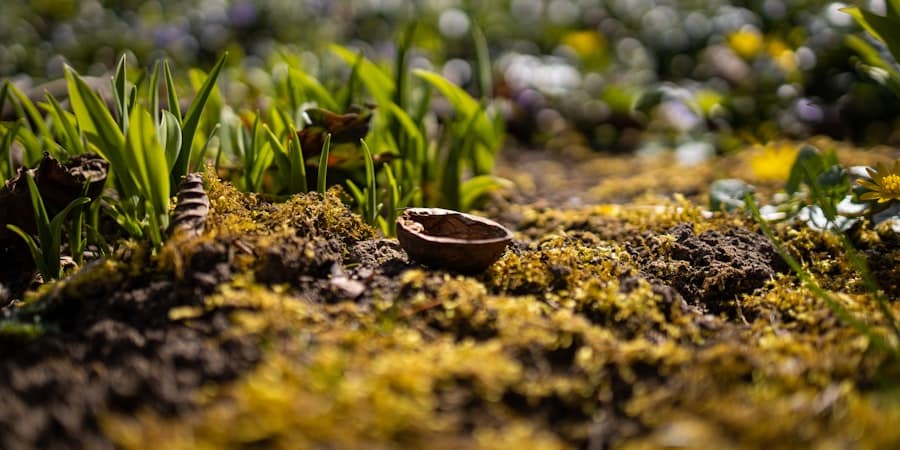
Incorporating terrariums into your indoor spaces can yield numerous benefits beyond their aesthetic charm. One significant advantage is their ability to improve air quality. Plants naturally filter toxins from the air, and even small terrariums can contribute to creating a healthier living environment.
By placing these miniature ecosystems in your home or office, you can enjoy cleaner air while simultaneously enhancing the overall ambiance of your space. Additionally, terrariums can serve as natural humidifiers, helping to maintain optimal moisture levels in the air. This is particularly beneficial in dry climates or during winter months when indoor heating can lead to arid conditions.
The presence of plants within a terrarium can help regulate humidity levels, promoting comfort and well-being. As you embrace these miniature ecosystems, you may find that they not only beautify your surroundings but also contribute positively to your health and comfort.
Choosing the Right Plants for Your Terrarium: Tips for Creating a Healthy Miniature Ecosystem
Selecting the right plants for your terrarium is crucial for creating a thriving miniature ecosystem. When choosing plants, consider factors such as light requirements, humidity levels, and growth habits. For example, if your terrarium will be placed in a low-light area, opt for shade-loving plants like ferns or mosses that can thrive without direct sunlight.
Conversely, if you have access to bright light, you might explore options like succulents or air plants that enjoy more exposure. It’s also essential to consider the size and growth rate of the plants you select. You want to create a balanced composition that allows each plant to flourish without overcrowding the space.
Mixing different textures and colors can add visual interest while ensuring that all plants have enough room to grow. As you curate your selection, remember that creating a harmonious environment will not only enhance the beauty of your terrarium but also promote the health and longevity of its inhabitants.
Terrarium Design Trends: The Latest Styles and Inspirations for Miniature Ecosystems
As with any design trend, terrarium aesthetics continue to evolve, reflecting contemporary tastes and styles. One popular trend is the use of geometric glass containers that add a modern touch to traditional terrarium designs. These angular shapes create striking visual contrasts and allow for creative arrangements of plants and decorative elements within the enclosure.
You might find yourself inspired by these contemporary designs as you explore ways to incorporate them into your own home. Another emerging trend is the incorporation of natural materials such as driftwood, stones, and moss into terrarium designs. These elements not only enhance the visual appeal but also create a more authentic representation of natural ecosystems.
By combining various textures and colors, you can craft a terrarium that feels like a miniature landscape, inviting viewers to explore its intricate details. As you experiment with different design trends, let your creativity flow and create a unique piece that reflects your personal style.
DIY Terrariums: How to Create Your Own Miniature Ecosystem at Home
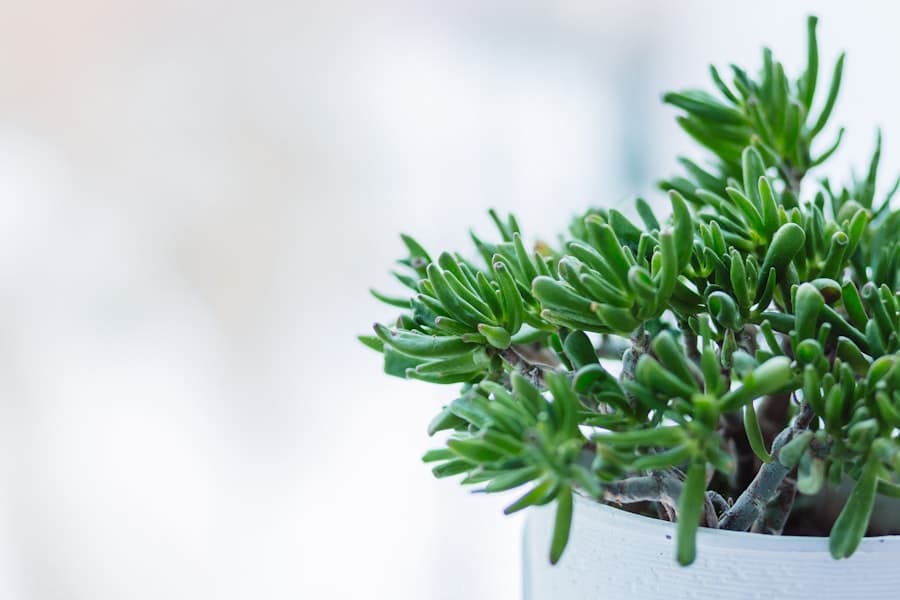
Creating your own DIY terrarium can be an enjoyable and fulfilling project that allows you to express your creativity while connecting with nature. To get started, gather essential materials such as a glass container, potting soil, small plants, decorative stones, and any additional elements you’d like to include, such as figurines or crystals. The process begins with layering: start with a base of small stones for drainage, followed by activated charcoal to keep the environment fresh.
Next, add potting soil suitable for your chosen plants and carefully arrange them within the container. As you position each plant, consider their growth habits and how they will interact with one another over time. Once you’ve planted everything, feel free to add decorative touches that reflect your personality—whether it’s tiny figurines or colorful stones—creating a unique narrative within your miniature ecosystem.
Finally, water lightly and place your terrarium in an appropriate location based on the light requirements of your plants.
The Role of Terrariums in Urban Living: Bringing Greenery into Small Spaces
In urban environments where space is often limited, terrariums offer an ideal solution for incorporating greenery into your living space. These compact ecosystems can fit on windowsills, desks, or shelves without overwhelming your surroundings. As cities become more densely populated, finding ways to connect with nature becomes increasingly important for mental well-being.
Terrariums provide an accessible means of achieving this connection without requiring extensive outdoor space. Moreover, terrariums can serve as conversation starters in social settings or as decorative accents in professional environments. Their unique designs and vibrant plant life can spark curiosity and admiration from guests or colleagues alike.
By introducing these miniature ecosystems into urban living spaces, you not only enhance your environment but also contribute to a broader movement toward integrating nature into our daily lives.
Terrarium Maintenance 101: Tips for Keeping Your Miniature Ecosystem Healthy and Thriving
Maintaining a healthy terrarium requires some attention but is generally straightforward once you understand the basics. One key aspect is monitoring moisture levels; overwatering is one of the most common mistakes made by terrarium owners. Since these enclosed environments retain moisture well, it’s essential to check the soil regularly and only water when it feels dry to the touch.
This practice will help prevent root rot and ensure that your plants remain healthy. Additionally, pay attention to light conditions and adjust their placement accordingly. If you notice any signs of stress in your plants—such as yellowing leaves or stunted growth—it may be time to reassess their light exposure or humidity levels.
Regularly trimming back any overgrown foliage will also help maintain balance within the ecosystem while promoting healthy growth for all inhabitants.
Terrariums as Gifts: Why Miniature Ecosystems Make Perfect Presents for Nature Lovers
Terrariums make thoughtful gifts for nature lovers and plant enthusiasts alike. Their unique charm and personalized touch allow you to create something special that reflects the recipient’s tastes and interests. Whether it’s for a birthday, housewarming party, or just because, gifting a terrarium can convey care and consideration while introducing greenery into someone else’s life.
Moreover, terrariums are versatile gifts suitable for various occasions and recipients—from children fascinated by nature to adults seeking stress relief through gardening activities. You might even consider creating a custom terrarium together as part of an experiential gift that fosters connection and shared memories. By giving the gift of a miniature ecosystem, you’re not just offering a decorative item; you’re providing an opportunity for growth—both literally and metaphorically.
Terrarium Workshops and Classes: Where to Learn More about Creating and Caring for Miniature Ecosystems
If you’re eager to dive deeper into the world of terrariums but feel unsure about where to start, consider attending workshops or classes dedicated to this art form. Many local nurseries or community centers offer hands-on sessions where you can learn from experienced instructors about plant selection, design techniques, and maintenance tips specific to terrariums. These interactive experiences provide valuable insights while allowing you to connect with fellow enthusiasts who share your passion for miniature ecosystems.
Participating in workshops not only enhances your skills but also fosters creativity as you explore different design possibilities alongside others who are equally excited about creating their own unique ecosystems. You’ll leave with newfound knowledge and perhaps even inspiration for future projects—making it an enriching experience that extends beyond just learning how to build a terrarium.
The Future of Terrariums: How Miniature Ecosystems are Evolving and Adapting to Modern Lifestyles
As our lifestyles continue to evolve in response to urbanization and technological advancements, so too do our approaches to incorporating nature into our lives through terrariums. Innovations in design materials—such as eco-friendly glass options or self-watering systems—are making it easier than ever for individuals to maintain healthy ecosystems without extensive effort or resources. Additionally, social media platforms have played a significant role in popularizing terrarium culture by showcasing creative designs and inspiring DIY projects from around the world.
This digital sharing fosters community engagement while encouraging individuals to experiment with their own creations—ultimately leading to an ever-expanding appreciation for these miniature ecosystems. As we look ahead at the future of terrariums within modern lifestyles—whether through innovative designs or community-driven initiatives—it’s clear that these enchanting creations will continue captivating hearts while bridging our connection with nature amidst busy urban environments.
If you’re interested in incorporating more greenery into your indoor spaces, you may also want to consider enhancing your outdoor landscaping. A landscaping service in Louisville, Jefferson County, Kentucky, can help you create a beautiful and sustainable outdoor environment that complements your terrariums. By installing efficient irrigation systems and components, you can ensure that your plants receive the proper amount of water while also reducing your landscaping water usage. Check out