
When you think about landscaping, you might picture vibrant blooms in spring or the rich hues of autumn leaves. However, year-round landscaping goes beyond seasonal beauty; it’s about creating a cohesive outdoor space that remains appealing throughout the entire year. Imagine stepping outside your door and being greeted by a landscape that evolves with the seasons, offering a fresh perspective no matter the time of year.
This approach not only enhances the aesthetic value of your property but also increases its functionality and enjoyment. Year-round landscaping requires thoughtful planning and a keen understanding of your local climate, soil conditions, and plant varieties. By carefully selecting plants and design elements that thrive in your environment, you can create a landscape that is not only beautiful but also sustainable.
This article will guide you through the essential components of year-round landscaping, helping you cultivate a space that you can enjoy in every season.
Key Takeaways
- Year-round landscaping requires careful planning and consideration of plant selection, hardscaping elements, and seasonal focal points.
- Choose plants that bloom or provide interest in each season to ensure a visually appealing landscape throughout the year.
- Evergreen trees and shrubs provide structure and greenery in the winter months, adding depth and interest to the landscape.
- Hardscaping elements such as pathways, patios, and retaining walls can add visual appeal and functionality to the landscape year-round.
- Create focal points for each season using features such as flowering trees, colorful foliage, or decorative elements to draw attention and add interest to the landscape.
Choosing the Right Plants for Each Season
Selecting the right plants is crucial for achieving a landscape that remains vibrant throughout the year. You should consider incorporating a mix of perennials, annuals, and shrubs that bloom or showcase their beauty in different seasons. For instance, spring might be the time for tulips and daffodils to burst forth with color, while summer can be highlighted by sunflowers and hydrangeas.
In fall, you can enjoy the fiery colors of chrysanthemums and ornamental grasses, while winter can be brightened with the striking red berries of holly or the delicate blooms of winter jasmine. In addition to seasonal blooms, it’s essential to think about foliage and structure. Some plants maintain their visual interest even when they’re not in bloom.
For example, ornamental grasses can provide texture and movement in your landscape, while evergreens offer a lush backdrop year-round. By carefully selecting a variety of plants that offer different colors, textures, and forms, you can create a dynamic landscape that changes with the seasons yet remains cohesive.
Incorporating Evergreen Trees and Shrubs
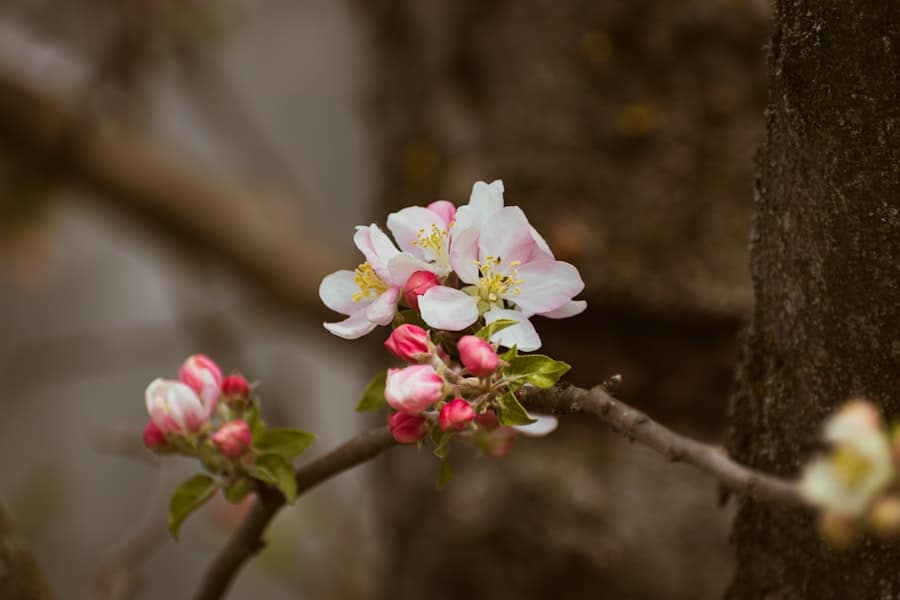
Evergreen trees and shrubs are the backbone of any year-round landscape. They provide structure and stability, ensuring that your yard remains visually appealing even in the depths of winter. When you choose evergreens, you’re not just selecting plants that stay green; you’re also adding height and depth to your landscape design.
Consider incorporating varieties such as pines, spruces, or hollies, which can serve as focal points or natural privacy screens. In addition to their aesthetic benefits, evergreens also play a vital role in environmental sustainability. They provide shelter for wildlife during harsh weather conditions and help to stabilize soil with their extensive root systems.
By integrating these hardy plants into your landscape, you create a resilient ecosystem that supports local fauna while enhancing your outdoor space’s beauty.
Utilizing Hardscaping Elements for Year-round Appeal
Hardscaping refers to the non-plant elements of your landscape design, such as patios, walkways, walls, and decorative stones. These features are essential for creating a balanced landscape that remains attractive throughout the year. By incorporating hardscaping elements, you can define spaces within your yard, create pathways for easy navigation, and add visual interest even when plants are dormant.
Consider using materials like natural stone or brick to create a timeless look that complements your home’s architecture. You might also think about adding features like fire pits or outdoor seating areas that encourage year-round use of your outdoor space. These hardscaping elements not only enhance the functionality of your yard but also provide a stunning backdrop for seasonal plantings and decorations.
Creating a Focal Point for Each Season
A well-designed landscape often includes focal points that draw the eye and create interest. By establishing different focal points for each season, you can ensure that your yard remains captivating throughout the year. In spring, a flowering tree or a vibrant garden bed can serve as a stunning centerpiece.
As summer approaches, consider adding a water feature or a sculpture that stands out against the lush greenery. In fall, you might want to highlight ornamental grasses or colorful foliage that captures the essence of the season. During winter months, evergreen arrangements or decorative planters filled with seasonal accents can keep your landscape lively.
By thoughtfully planning these focal points, you create an engaging visual narrative that changes with each season while maintaining an overall sense of harmony in your landscape.
Implementing Seasonal Color with Annuals and Perennials
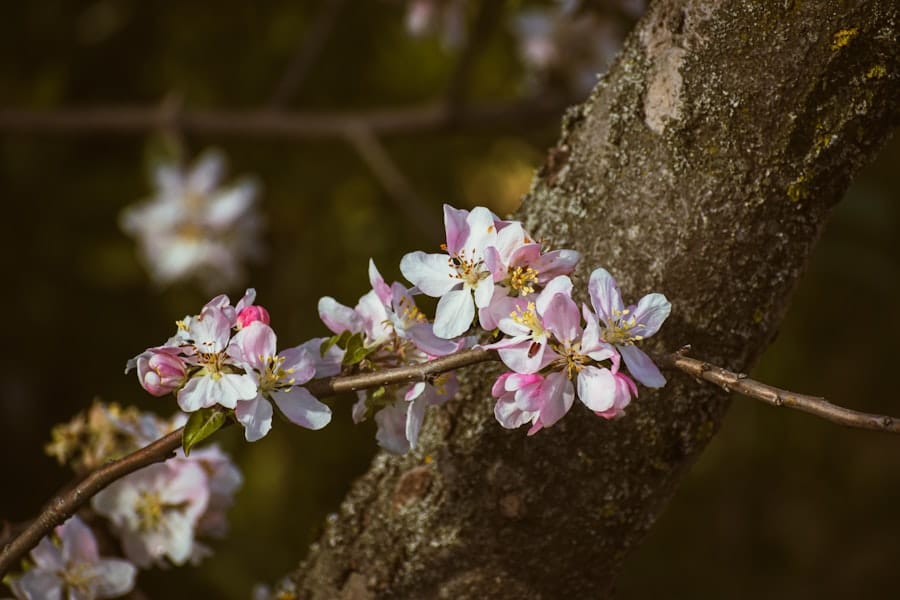
To achieve a vibrant landscape throughout the year, incorporating both annuals and perennials is key. Annuals are perfect for adding bursts of color during specific seasons; they typically bloom all summer long but need to be replanted each year. You might choose bright petunias or zinnias for summer displays or pansies for early spring color.
Their ability to provide immediate impact makes them an excellent choice for seasonal rotations. Perennials, on the other hand, return year after year and can be selected for their unique blooming times. By mixing both types of plants in your garden beds, you can create layers of color that evolve over time.
For example, early-blooming perennials like bleeding hearts can give way to summer favorites like coneflowers before transitioning into fall’s rich hues with asters and sedums. This combination ensures that your landscape is always alive with color and interest.
Maintaining a Healthy Lawn Throughout the Year
A lush lawn is often considered the foundation of an attractive landscape. To maintain its health throughout the year, you need to adopt a consistent care routine tailored to seasonal needs. In spring, focus on aerating the soil and applying fertilizer to promote growth after winter dormancy.
Regular mowing and watering will help keep your grass healthy as temperatures rise. As summer progresses, it’s essential to monitor moisture levels and adjust your watering schedule accordingly. During fall, consider overseeding to fill in any bare patches and prepare your lawn for winter dormancy.
In winter months, avoid heavy foot traffic on frozen grass to prevent damage. By following these maintenance tips throughout the year, you’ll ensure that your lawn remains vibrant and healthy no matter the season.
Incorporating Water Features for Year-round Interest
Water features can add an element of tranquility and beauty to your landscape while providing year-round interest. Whether it’s a small pond, a fountain, or a cascading waterfall, these elements can enhance the overall ambiance of your outdoor space. In warmer months, water features become focal points where you can relax and enjoy the soothing sounds of flowing water.
During colder months, consider how these features can be designed to remain visually appealing even when frozen over or partially covered in snow. A well-placed fountain can create stunning ice formations in winter while still serving as an attractive element in your landscape design. By thoughtfully incorporating water features into your yard, you create an inviting atmosphere that draws people outside throughout the year.
Considering the Impact of Weather on Your Landscape
Understanding how weather patterns affect your landscape is crucial for successful year-round landscaping. Different climates present unique challenges; for instance, areas prone to heavy rainfall may require proper drainage solutions to prevent erosion or flooding. Conversely, regions with prolonged droughts necessitate drought-resistant plant selections and efficient irrigation systems.
You should also consider seasonal temperature fluctuations when planning your landscape design. Selecting plants that are well-suited to your local climate will ensure they thrive throughout the year without excessive maintenance or resources. By being mindful of weather impacts on your landscape, you can create a resilient outdoor space that withstands nature’s challenges while remaining beautiful.
Implementing Sustainable Practices for Year-round Beauty
Sustainability is an essential aspect of modern landscaping practices. By implementing eco-friendly techniques in your year-round landscaping efforts, you not only contribute positively to the environment but also enhance the longevity and health of your outdoor space. Start by choosing native plants that require less water and maintenance while providing habitat for local wildlife.
Consider using organic fertilizers and pest control methods to minimize chemical runoff into local waterways. Rain gardens or permeable paving can help manage stormwater runoff effectively while adding beauty to your landscape design. By adopting these sustainable practices, you create an environmentally friendly yard that remains beautiful throughout every season.
Enjoying Your Beautiful Yard in Every Season
Creating a year-round landscape is an enriching endeavor that allows you to enjoy nature’s beauty no matter what time of year it is. By carefully selecting plants suited for each season, incorporating hardscaping elements, and maintaining sustainable practices, you cultivate an outdoor space that reflects your personal style while enhancing your property’s value. As you step outside into your beautifully landscaped yard throughout the seasons—whether it’s enjoying spring blooms or cozying up by a winter fire pit—you’ll appreciate the effort put into creating this harmonious environment.
With thoughtful planning and care, your outdoor space will not only be visually stunning but also serve as a sanctuary where you can connect with nature all year long.
If you’re looking for more tips on maintaining your landscape throughout the year, check out How to Maintain My Landscape. This article offers valuable advice on keeping your yard looking beautiful no matter the season. Whether you’re dealing with snow in the winter or scorching heat in the summer, these tips will help you keep your landscape in top shape.
FAQs
What is landscaping for all seasons?
Landscaping for all seasons refers to the practice of designing and maintaining a yard or outdoor space so that it looks attractive and appealing throughout the year, regardless of the season.
What are some tips for achieving year-round beauty in your yard?
Some tips for achieving year-round beauty in your yard include selecting a variety of plants that bloom or provide visual interest in different seasons, incorporating evergreen plants for year-round color, and adding hardscape elements such as pathways or garden structures that are visually appealing in any season.
What are some plants that are suitable for year-round landscaping?
Plants that are suitable for year-round landscaping include evergreen trees and shrubs, as well as perennials and ornamental grasses that provide interest in different seasons. Examples include holly bushes, boxwood shrubs, and ornamental grasses like fountain grass.
How can I maintain my yard for year-round beauty?
To maintain your yard for year-round beauty, it’s important to stay on top of regular maintenance tasks such as watering, fertilizing, and pruning. Additionally, consider adding seasonal accents such as colorful annual flowers or decorative elements like outdoor lighting to enhance the visual appeal of your yard throughout the year.