
Curb appeal is the first impression your home makes on visitors and passersby. It encompasses everything from the condition of your lawn to the architectural details of your house. When you think about curb appeal, consider it as the visual invitation to your home, setting the tone for what lies beyond the front door.
A well-maintained exterior not only enhances the aesthetic value of your property but also significantly impacts its market value. Whether you are planning to sell your home or simply want to create a welcoming atmosphere, investing in curb appeal is essential. As you embark on this journey, remember that curb appeal is not just about aesthetics; it reflects your personal style and care for your property.
A thoughtfully designed exterior can evoke feelings of warmth and hospitality, making guests feel welcome before they even step inside. By focusing on elements such as landscaping, color schemes, and outdoor structures, you can create a cohesive look that enhances your home’s character and charm.
Key Takeaways
- Curb appeal is the first impression of a property and can greatly impact its value and attractiveness.
- Landscaping plays a crucial role in enhancing curb appeal and creating a welcoming environment.
- Designing the perfect landscape involves considering the property’s size, style, and the homeowner’s preferences.
- Choosing the right plants and trees is essential for a thriving and visually appealing landscape.
- Hardscaping and outdoor structures can add functionality and visual interest to the landscape.
Importance of Landscaping
Landscaping plays a pivotal role in enhancing curb appeal. It serves as the backdrop for your home, framing it in a way that highlights its best features. A well-planned landscape can transform an ordinary property into an extraordinary one, creating a sense of harmony between the house and its surroundings.
Beyond aesthetics, landscaping also provides practical benefits, such as improving air quality, reducing noise pollution, and even increasing energy efficiency by providing shade and windbreaks. Moreover, landscaping can significantly influence the overall atmosphere of your home. A lush garden filled with vibrant flowers and greenery can create a serene oasis, while a minimalist design with clean lines can evoke a modern and sophisticated vibe.
The right landscaping choices can also enhance your outdoor living space, making it more enjoyable for family gatherings or quiet evenings spent outside. By investing time and resources into landscaping, you are not only beautifying your property but also creating a space that reflects your lifestyle and values.
Designing the Perfect Landscape

Designing the perfect landscape requires careful consideration of various elements that work together to create a cohesive look. Start by assessing your property’s unique features, such as its size, shape, and existing vegetation. This evaluation will help you determine what design elements will complement your home while maximizing the available space.
Consider incorporating different zones within your landscape, such as areas for relaxation, play, or gardening, to create a functional and inviting environment. When planning your landscape design, think about the flow of movement throughout the space. Pathways, patios, and seating areas should be strategically placed to encourage exploration and interaction with nature.
Additionally, consider the seasonal changes in your area; selecting plants that bloom at different times of the year can ensure that your landscape remains vibrant and engaging throughout all seasons. By thoughtfully designing your landscape, you can create an outdoor space that is not only beautiful but also practical and enjoyable.
Choosing the Right Plants and Trees
Selecting the right plants and trees is crucial for achieving a successful landscape design. Start by considering your local climate and soil conditions, as these factors will influence which plants will thrive in your garden. Native plants are often a great choice because they are adapted to the local environment and require less maintenance.
Additionally, they provide essential habitats for local wildlife, contributing to biodiversity in your area. When choosing plants, think about their size, color, and texture to create visual interest in your landscape. Layering plants of varying heights can add depth to your garden while incorporating different foliage colors can create a dynamic look.
Don’t forget to consider seasonal changes; selecting plants that bloom at different times will ensure that your landscape remains vibrant year-round. By carefully curating your plant selection, you can create a stunning outdoor space that reflects your personal style while thriving in its environment.
Hardscaping and Outdoor Structures
Hardscaping refers to the non-plant elements of your landscape design, such as patios, walkways, retaining walls, and outdoor structures like pergolas or gazebos. These features provide structure and functionality to your outdoor space while enhancing its overall aesthetic appeal. Incorporating hardscaping elements can help define different areas within your landscape, making it easier to navigate and enjoy.
When designing hardscaping features, consider materials that complement your home’s architecture and surrounding environment. Natural stone, brick, or concrete can all be used creatively to create visually appealing pathways or seating areas. Additionally, outdoor structures can serve as focal points in your landscape; a well-placed pergola adorned with climbing plants can create an inviting space for relaxation or entertaining guests.
By thoughtfully integrating hardscaping into your landscape design, you can enhance both its beauty and functionality.
Lighting and Irrigation
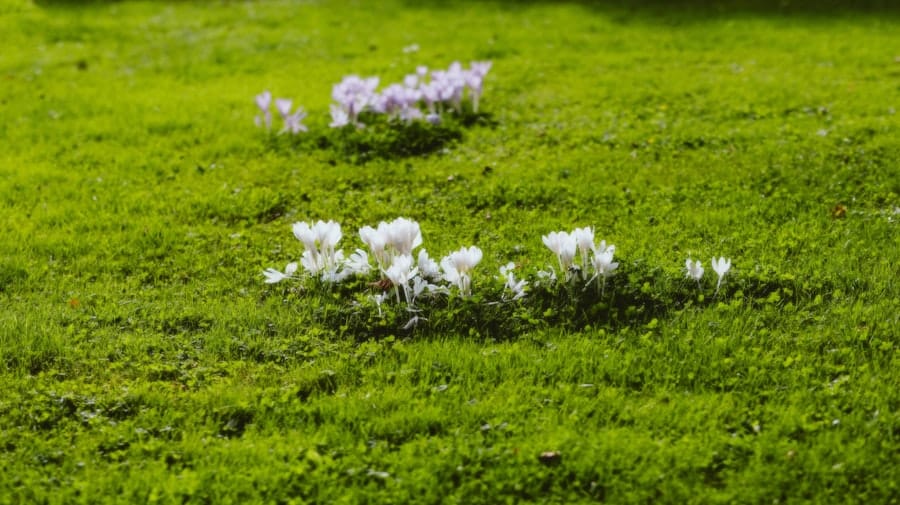
Proper lighting is essential for showcasing your landscape during the evening hours while also providing safety and security around your home. Outdoor lighting can highlight key features such as trees, pathways, or architectural details of your house. Consider using a combination of ambient lighting for general illumination and accent lighting to draw attention to specific areas or elements in your garden.
Irrigation is another critical aspect of maintaining a healthy landscape. A well-designed irrigation system ensures that your plants receive adequate water without wasting resources. Drip irrigation systems are particularly effective for delivering water directly to the roots of plants while minimizing evaporation.
Additionally, incorporating rain barrels or other water-saving techniques can help you conserve water while keeping your garden lush and vibrant. By investing in proper lighting and irrigation solutions, you can enhance the beauty of your landscape while promoting sustainability.
Maintenance and Seasonal Changes
Maintaining your landscape is an ongoing process that requires attention throughout the year. Regular tasks such as mowing the lawn, pruning trees and shrubs, and weeding flower beds are essential for keeping your outdoor space looking its best. Seasonal changes also bring unique challenges; for instance, fall may require raking leaves while spring calls for planting new flowers or refreshing mulch.
To simplify maintenance tasks, consider creating a seasonal checklist that outlines what needs to be done during each time of year. This proactive approach will help you stay organized and ensure that no important tasks are overlooked. Additionally, investing in quality tools and equipment can make maintenance more efficient and enjoyable.
By staying on top of maintenance tasks and adapting to seasonal changes, you can keep your landscape thriving year-round.
Sustainable and Eco-Friendly Landscaping
Sustainable landscaping practices are becoming increasingly important as we strive to protect our environment. By incorporating eco-friendly techniques into your landscape design, you can create a beautiful outdoor space while minimizing your ecological footprint. Start by choosing native plants that require less water and maintenance; these plants are better suited to local conditions and support local wildlife.
Another sustainable practice is implementing xeriscaping techniques, which focus on reducing water usage through careful plant selection and efficient irrigation methods. Additionally, consider using organic fertilizers and pest control methods to promote a healthy ecosystem in your garden. Composting yard waste can also enrich your soil while reducing landfill contributions.
By embracing sustainable landscaping practices, you can create an environmentally friendly outdoor space that benefits both you and the planet.
Adding Color and Texture
Incorporating color and texture into your landscape design is essential for creating visual interest and depth. Consider using a variety of plant species with different foliage colors—such as deep greens, vibrant reds, or soft silvers—to create a dynamic look throughout the seasons. Flowering plants can also add bursts of color during their blooming periods; strategically placing them throughout your garden will ensure that there is always something vibrant to catch the eye.
Texture plays an equally important role in landscape design; combining plants with varying leaf shapes and sizes can create a rich tapestry that draws people in. For example, pairing feathery grasses with bold-leaved hostas creates an engaging contrast that enhances the overall aesthetic appeal of your garden. By thoughtfully incorporating color and texture into your landscape design, you can create an inviting outdoor space that captivates visitors.
Incorporating Water Features
Water features can add a serene element to any landscape design while providing soothing sounds that enhance relaxation outdoors. Whether it’s a small fountain or a larger pond with koi fish, water features can serve as focal points in your garden while attracting wildlife such as birds and butterflies. The gentle sound of flowing water creates a calming atmosphere that encourages you to spend more time outside.
When designing water features, consider their placement within the overall landscape layout; they should complement existing elements rather than overwhelm them. Additionally, think about maintenance requirements; some water features may require regular cleaning or filtration systems to keep them looking their best. By thoughtfully incorporating water features into your landscape design, you can create an enchanting outdoor space that invites tranquility.
Working with Professional Landscape Services
While many homeowners enjoy taking on landscaping projects themselves, working with professional landscape services can elevate your outdoor space to new heights. Landscape professionals bring expertise in design principles, plant selection, hardscaping techniques, and maintenance strategies that can save you time and effort while ensuring high-quality results. When choosing a landscaping service, look for companies with positive reviews and portfolios showcasing their previous work.
Collaborating with professionals allows you to share your vision while benefiting from their knowledge of local conditions and trends in landscaping design. Whether you need help with a complete overhaul or just want assistance with specific elements like hardscaping or planting, professional services can provide valuable support in creating the outdoor oasis you’ve always dreamed of. In conclusion, enhancing curb appeal through thoughtful landscaping is an investment that pays off in both aesthetic value and personal enjoyment of your outdoor space.
By considering various elements such as plant selection, hardscaping features, lighting solutions, maintenance practices, sustainability efforts, color combinations, water features, and professional assistance when needed—you can create a stunning landscape that reflects your style while welcoming all who visit.
If you are looking to enhance the curb appeal of your property, you may want to consider reading the article on case studies and success stories from The Landscaping Service. This article provides real-life examples of how landscaping services have transformed properties and increased their overall appeal. By learning from these success stories, you can gain valuable insights on how to improve the look of your own property.
FAQs
What are landscape services?
Landscape services encompass a range of activities aimed at enhancing the aesthetic appeal and functionality of outdoor spaces. These services may include lawn care, garden design, hardscaping, irrigation, and tree care, among others.
How can landscape services enhance curb appeal?
Landscape services can enhance curb appeal by creating a well-maintained and visually appealing outdoor environment. This may involve improving the appearance of the lawn, adding colorful and well-maintained plants, installing attractive hardscaping features, and ensuring proper maintenance of the landscape.
What are some specific ways landscape services can enhance curb appeal?
Specific ways landscape services can enhance curb appeal include regular lawn mowing and edging, planting seasonal flowers for color, trimming and shaping shrubs and trees, installing outdoor lighting, creating defined walkways and borders, and maintaining a healthy and lush lawn.
Why is curb appeal important for a property?
Curb appeal is important for a property as it creates a positive first impression, enhances the overall attractiveness of the property, and can potentially increase its value. A well-maintained and visually appealing exterior can also make a property more inviting and welcoming.
How can I find a reputable landscape services provider?
To find a reputable landscape services provider, consider asking for recommendations from friends or neighbors, researching online reviews, checking for certifications and licenses, and requesting references from the provider. It’s also important to get multiple quotes and ensure that the provider offers the specific services you require.