
As you embark on the journey of creating a garden that captivates throughout the year, it’s essential to first grasp the essence of the four seasons. Each season brings its own unique charm and challenges, influencing not only the aesthetics of your garden but also the types of plants that thrive within it. Spring bursts forth with vibrant blooms and fresh greenery, inviting you to witness nature’s awakening.
Summer follows, offering a lush, full landscape that beckons you to enjoy long, sun-soaked days amidst a riot of colors. Autumn paints the world in warm hues, as leaves transform into a tapestry of reds, oranges, and yellows, while winter, though often perceived as a barren time, can reveal a serene beauty in its starkness. Understanding these seasonal shifts allows you to plan your garden with intention.
You can select plants that will bloom or showcase their beauty at different times of the year, ensuring that your outdoor space remains dynamic and engaging. By recognizing the characteristics of each season, you can create a harmonious balance that not only pleases the eye but also supports local wildlife and promotes biodiversity. This awareness will guide your choices as you curate a garden that tells a story through its ever-changing landscape.
Key Takeaways
- Understanding the Four Seasons: Knowing the characteristics of each season is crucial for planning a year-round garden.
- Choosing Plants with Year-round Interest: Selecting plants that offer visual appeal in every season ensures a vibrant garden all year.
- Incorporating Evergreen Trees and Shrubs: Evergreens provide structure and color in the garden, even during the winter months.
- Utilizing Ornamental Grasses: Ornamental grasses add movement and texture to the garden, especially in the fall and winter.
- Including Plants with Interesting Bark or Stems: Plants with unique bark or stems can add visual interest, even in the dormant winter months.
Choosing Plants with Year-round Interest
Visual Appeal Beyond Blooms
Certain perennials may have striking foliage that remains vibrant even when flowers fade. You might also explore plants with unique textures or shapes that stand out against the backdrop of changing seasons.
Diversifying Your Plant Selection
By diversifying your plant selection, you can create a tapestry of colors and forms that captivates your senses no matter the time of year. In addition to perennials, think about incorporating plants that have interesting growth habits or seasonal changes.
Creating a Visually Stimulating Garden
Some shrubs may produce colorful berries in the fall or have bark that peels away to reveal a contrasting hue underneath. By choosing a mix of plants with varying heights, textures, and seasonal attributes, you can ensure that your garden remains visually stimulating throughout the year. This thoughtful approach not only enhances your outdoor space but also provides a habitat for birds and beneficial insects, enriching the ecosystem around you.
Incorporating Evergreen Trees and Shrubs
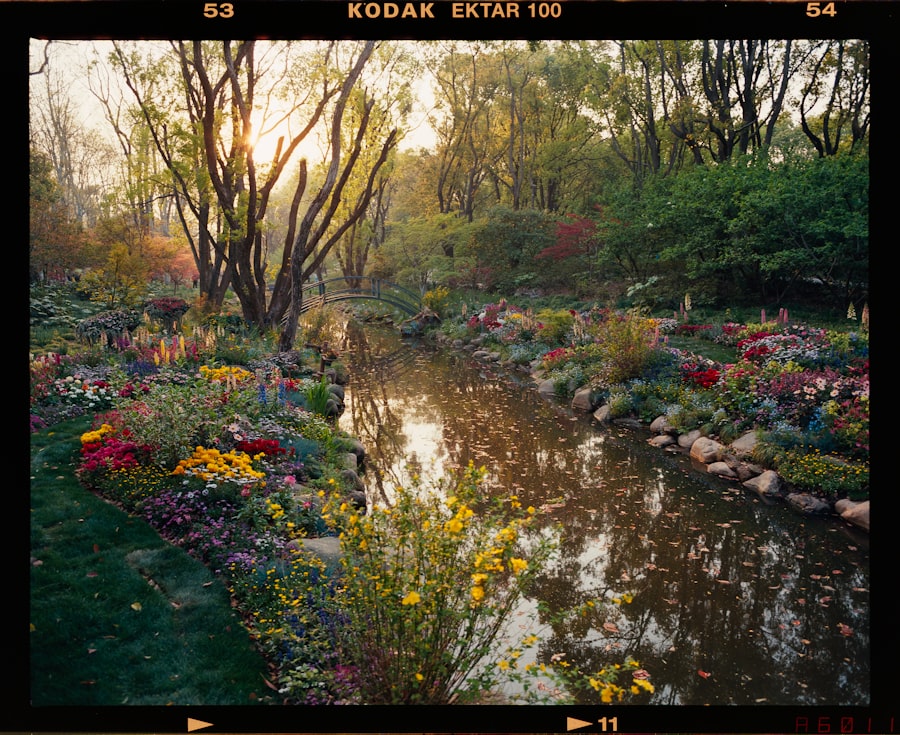
Evergreen trees and shrubs are invaluable assets in any garden design aimed at year-round interest. These steadfast plants retain their foliage throughout the seasons, providing structure and greenery even in the depths of winter. As you consider which evergreens to include, think about their size, shape, and growth habits.
Some may serve as majestic focal points, while others can be used as hedges or borders to define spaces within your garden. Incorporating evergreens also allows for creative layering in your landscape design. You can plant taller evergreens at the back of borders to create a backdrop for shorter flowering plants or ground covers.
This layering not only adds depth to your garden but also ensures that there is always something lush and vibrant to admire, regardless of the season. Additionally, evergreens can provide shelter for wildlife during harsh weather conditions, making them an essential component of a sustainable garden.
Utilizing Ornamental Grasses
Ornamental grasses are often overlooked but can be a game-changer in achieving year-round interest in your garden. These versatile plants come in various heights, colors, and textures, adding movement and softness to your landscape. As they sway gently in the breeze, they create a dynamic visual experience that changes with the light and weather conditions.
You might find that certain grasses take on stunning hues in the fall or produce delicate seed heads that catch frost beautifully in winter. When incorporating ornamental grasses into your design, consider their growth habits and how they can complement other plants in your garden. Some grasses thrive in sunny spots while others prefer partial shade; understanding these preferences will help you create a harmonious planting scheme.
Additionally, their ability to provide habitat for small creatures makes them an excellent choice for promoting biodiversity in your outdoor space. By thoughtfully integrating ornamental grasses into your garden, you can enhance its beauty while ensuring it remains lively and engaging throughout the year.
Including Plants with Interesting Bark or Stems
Plants with unique bark or stems can add an unexpected element to your garden design, providing visual interest even when other plants are dormant. Consider trees like birches with their striking white bark or red-twig dogwoods that offer vibrant color during winter months. These features can serve as focal points in your landscape, drawing the eye and creating a sense of intrigue even when flowers are absent.
In addition to their aesthetic appeal, plants with interesting bark or stems can also contribute to the overall structure of your garden. They can be used to create vertical lines that guide the eye through your space or serve as natural dividers between different areas of your garden. By incorporating these unique elements into your design, you can ensure that there is always something captivating to discover, regardless of the season.
Adding Winter-flowering Plants
Beauty and Beyond
In addition to their beauty, winter-flowering plants can also attract early pollinators that emerge before spring arrives. This not only supports local ecosystems but also adds another layer of interest to your garden as you witness nature’s resilience during colder months.
Creating a Vibrant Oasis
By thoughtfully selecting winter-flowering plants, you can create a vibrant oasis that stands out against the backdrop of winter’s chill.
Incorporating Hardscape Elements for Visual Interest
Hardscape elements play a crucial role in enhancing the overall aesthetic of your garden while providing structure and functionality. Pathways made from stone or gravel can guide visitors through your space while adding texture and contrast against soft plantings. Patios or seating areas create inviting spaces for relaxation and enjoyment of your outdoor environment, allowing you to appreciate the beauty of each season up close.
Incorporating features like trellises or arbors can also add vertical interest to your garden design. These structures can support climbing plants or serve as focal points adorned with seasonal decorations. By thoughtfully integrating hardscape elements into your landscape, you create a cohesive design that complements your plant selections while providing visual interest throughout the year.
Creating Focal Points for Each Season
To maintain year-round interest in your garden, consider establishing focal points that change with each season. This could be achieved through strategically placing specific plants or hardscape features that stand out during different times of the year. For instance, you might choose a flowering tree that bursts into bloom in spring or a vibrant shrub that showcases its colorful foliage in autumn.
By creating these seasonal focal points, you invite visitors to experience the evolving beauty of your garden throughout the year. This approach not only enhances visual interest but also encourages exploration as each season reveals new surprises and delights. As you plan your garden design, think about how each element can contribute to this dynamic experience, ensuring that there is always something captivating to discover.
Incorporating Colorful Foliage
While flowers often steal the spotlight in gardens, colorful foliage can be just as impactful in creating visual interest throughout the year. Many plants boast stunning leaves that change color with the seasons or have variegated patterns that add depth and dimension to your landscape. Consider incorporating plants like Japanese maples or heucheras that offer rich hues ranging from deep purples to bright chartreuse.
By focusing on foliage color as a key design element, you can create a garden that remains vibrant even when flowers are not in bloom. This approach allows for greater flexibility in plant selection and encourages you to explore a wider variety of textures and shapes within your landscape. As you curate your plant choices based on their foliage characteristics, you’ll find that your garden becomes an ever-evolving canvas of color and form.
Considering the Structure and Form of Plants
When designing a garden for year-round interest, it’s essential to consider not just color but also the structure and form of plants. Different species exhibit various growth habits—some may be upright and columnar while others spread out as ground covers or form mounds. By mixing these diverse forms within your landscape, you create layers and dimensions that enhance visual appeal.
Incorporating plants with varying heights also adds depth to your design; taller specimens can serve as backdrops for shorter ones while creating an engaging interplay between different layers of vegetation. As you plan your garden layout, think about how each plant’s structure contributes to the overall composition and how it interacts with neighboring species. This thoughtful consideration will ensure that your garden remains visually stimulating throughout all seasons.
Maintaining Year-round Interest through Pruning and Maintenance
Finally, maintaining year-round interest in your garden requires ongoing care and attention through pruning and maintenance practices. Regularly tending to your plants not only promotes healthy growth but also allows you to shape their forms and encourage blooming at optimal times. Pruning can help maintain structure while removing dead or diseased wood ensures that each plant remains vibrant and contributes positively to the overall aesthetic.
Additionally, seasonal maintenance tasks such as mulching or dividing perennials can enhance soil health and promote vigorous growth throughout the year. By committing to these practices, you ensure that your garden continues to thrive and evolve over time, providing endless enjoyment as it transforms with each passing season. Embracing this ongoing relationship with your garden will deepen your connection to nature while allowing you to appreciate its beauty in all its forms throughout the year.
If you are looking to plan a landscape that provides year-round visual interest, you may want to consider hiring a professional landscaper. A professional landscaper can help you design a space that is both beautiful and functional, taking into account factors such as plant selection, maintenance needs, and seasonal changes. In a related article, Hiring a Professional Landscaper, you can learn more about the benefits of working with a professional to create the perfect outdoor space.
FAQs
What are some key elements to consider when planning a landscape for year-round visual interest?
Some key elements to consider when planning a landscape for year-round visual interest include selecting a variety of plants with different bloom times, foliage colors, and textures, incorporating evergreen plants for winter interest, and including hardscape features such as pathways, structures, and water features.
How can I create visual interest in my landscape during the winter months?
To create visual interest in your landscape during the winter months, consider incorporating evergreen plants, ornamental grasses, and plants with interesting bark or structure. Additionally, hardscape features such as sculptures, birdbaths, and decorative containers can add visual interest during the winter.
What are some plant options for year-round visual interest in a landscape?
Some plant options for year-round visual interest in a landscape include evergreen shrubs and trees, plants with colorful berries or interesting bark, ornamental grasses, and perennials with attractive foliage. It’s also important to select plants with staggered bloom times to ensure continuous color throughout the year.
How can I incorporate hardscape features into my landscape for year-round visual interest?
To incorporate hardscape features into your landscape for year-round visual interest, consider adding pathways, patios, pergolas, and other structures that provide visual appeal. Additionally, water features such as fountains or ponds can add interest, as well as decorative elements like sculptures, arbors, and trellises.