
As you step into your garden or outdoor space, consider the vital role that wildlife plays in maintaining ecological balance. Wildlife-friendly landscaping is not just a trend; it is a necessary approach to creating environments that support local ecosystems. By incorporating elements that attract and sustain wildlife, you contribute to biodiversity, which is essential for the health of our planet.
This practice allows you to transform your yard into a sanctuary for various species, from birds and butterflies to beneficial insects and small mammals. Moreover, wildlife-friendly landscaping can enhance your personal enjoyment of your outdoor space. Imagine the joy of watching colorful birds flit about your garden or the satisfaction of knowing that your efforts are helping to sustain local wildlife populations.
By making conscious choices in your landscaping, you can create a vibrant ecosystem that not only beautifies your surroundings but also fosters a deeper connection with nature. This connection can lead to increased awareness of environmental issues and inspire others in your community to adopt similar practices.
Key Takeaways
- Understanding the importance of wildlife-friendly landscaping:
- Wildlife-friendly landscaping helps support local ecosystems and biodiversity.
- It provides habitats for native wildlife and contributes to conservation efforts.
- The role of landscaping services in creating wildlife-friendly environments:
- Professional landscaping services play a crucial role in designing and implementing wildlife-friendly landscapes.
- They have the expertise to create environments that attract and support local wildlife and bird species.
- Selecting native plants to attract local wildlife and bird species:
- Native plants are essential for attracting and supporting local wildlife and bird species.
- They provide food, shelter, and nesting sites for native wildlife and contribute to the overall health of the ecosystem.
- Incorporating water features for wildlife and bird habitats:
- Water features such as ponds, birdbaths, and water gardens are essential for creating habitats for wildlife and bird species.
- They provide drinking water, bathing areas, and breeding sites for various wildlife species.
- Creating shelter and nesting sites for local wildlife and birds:
- Providing shelter and nesting sites, such as birdhouses and brush piles, is crucial for supporting local wildlife and bird populations.
- These features offer protection and breeding opportunities for various species.
The Role of Landscaping Services in Creating Wildlife-Friendly Environments
Expertise in Ecological Health
When you hire professionals, you gain access to their expertise in designing spaces that cater to both aesthetic appeal and ecological health. These experts understand the specific needs of local wildlife and can recommend plants and features that will attract various species.
Creating Functional Outdoor Spaces
By collaborating with landscaping services, you can ensure that your outdoor space is not only beautiful but also functional for the creatures that inhabit it. Additionally, landscaping professionals can help you navigate the complexities of creating a wildlife-friendly environment. They can assess your property, identify existing wildlife, and suggest modifications that will enhance habitat quality.
Guiding You Through the Process
Whether it’s installing native plants, creating water features, or providing shelter for animals, these services can guide you through the process. By working together, you can create a landscape that thrives with life while also reflecting your personal style and preferences.
Selecting Native Plants to Attract Local Wildlife and Bird Species
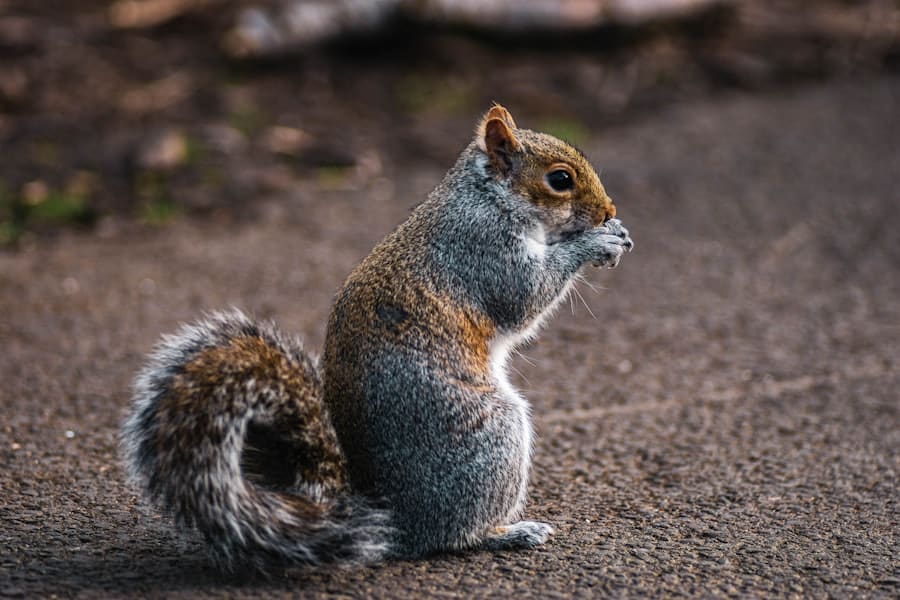
One of the most effective ways to attract local wildlife and bird species is by selecting native plants for your landscape. Native plants are adapted to the local climate and soil conditions, making them more resilient and easier to maintain than non-native varieties. When you choose native flora, you provide essential food sources and habitats for local wildlife, including birds, insects, and small mammals.
These plants often produce seeds, berries, and nectar that are vital for sustaining various species throughout the year. Incorporating a diverse range of native plants can create a rich tapestry of colors and textures in your garden while supporting local ecosystems. For instance, flowering plants like coneflowers and milkweed attract pollinators such as bees and butterflies, while berry-producing shrubs like elderberry and serviceberry provide nourishment for birds.
By carefully selecting a mix of plants that bloom at different times throughout the growing season, you can ensure a continuous supply of food for wildlife, enhancing the overall health of your landscape.
Incorporating Water Features for Wildlife and Bird Habitats
Water features are an excellent addition to any wildlife-friendly landscape, serving as vital resources for birds and other animals. Whether it’s a small pond, a birdbath, or a fountain, water sources attract a variety of species seeking hydration and bathing opportunities. When you incorporate water features into your outdoor space, you create an inviting environment that encourages wildlife to visit and thrive.
Moreover, water features can enhance the aesthetic appeal of your landscape while providing essential habitats. A pond can support aquatic plants and insects, creating a mini-ecosystem that benefits both terrestrial and aquatic wildlife. Adding rocks or logs around the water’s edge can provide perches for birds and basking spots for reptiles.
By ensuring that your water feature is designed with wildlife in mind—such as including shallow areas for easy access—you can create a dynamic space that supports biodiversity while also being visually appealing.
Creating Shelter and Nesting Sites for Local Wildlife and Birds
To foster a thriving wildlife community in your landscape, it is essential to provide shelter and nesting sites for local species. Birds, small mammals, and beneficial insects all require safe spaces to rest, hide from predators, and raise their young. You can create these habitats by incorporating various elements into your landscaping design.
For example, dense shrubs or thickets offer excellent cover for birds seeking protection from predators while also providing nesting opportunities. Additionally, consider adding birdhouses or nesting boxes to your yard. These structures can be tailored to suit specific bird species, ensuring they have safe places to lay their eggs.
You might also leave some areas of your garden undisturbed or allow native grasses to grow tall; this creates natural cover for small mammals and insects. By prioritizing shelter in your landscaping efforts, you contribute significantly to the well-being of local wildlife populations.
Implementing Sustainable and Eco-Friendly Landscaping Practices
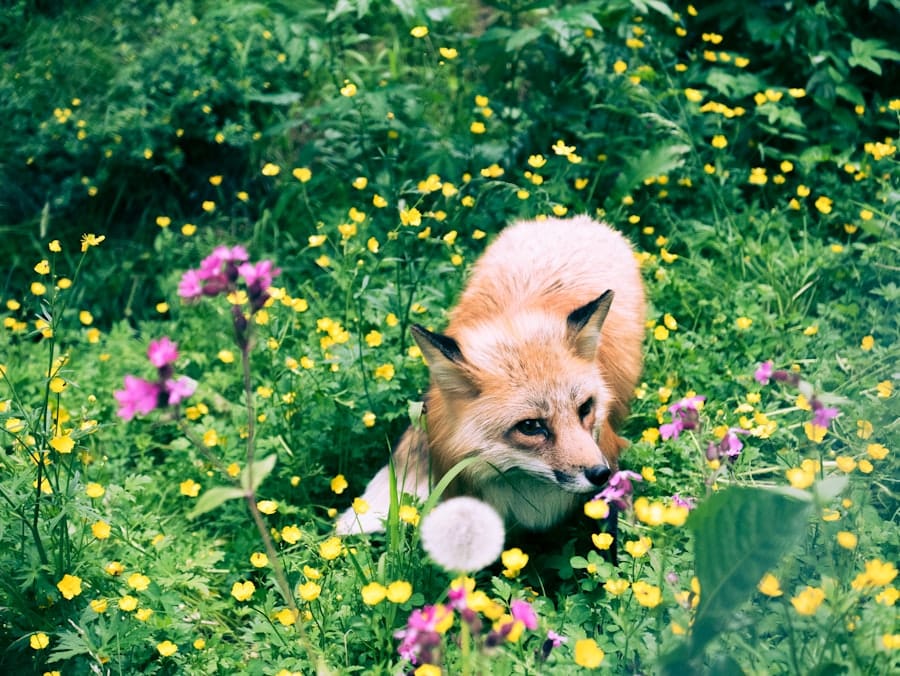
Reducing Harmful Chemicals
Using organic fertilizers and pest control methods reduces the amount of harmful chemicals in your garden. These chemicals can have a negative impact on local wildlife, so it’s essential to find alternative solutions.
Enriching the Soil
Composting kitchen scraps and yard waste is an excellent way to enrich the soil naturally while reducing the amount of waste sent to landfills. This process creates a nutrient-rich soil that supports healthy plant growth.
Conserving Water
Capturing rainwater through barrels or cisterns allows you to irrigate your garden sustainably while providing moisture for local wildlife during dry spells. This approach helps conserve water and reduces the demand on municipal water supplies.
Balancing Aesthetics and Functionality in Wildlife-Friendly Landscaping
Creating a wildlife-friendly landscape doesn’t mean sacrificing beauty or design; rather, it’s about finding harmony between aesthetics and functionality. You can achieve this balance by thoughtfully selecting plants and features that serve both purposes. For example, consider using native flowering plants that not only attract pollinators but also add vibrant colors to your garden throughout the seasons.
Incorporating hardscapes such as pathways or seating areas can enhance the usability of your outdoor space while still being mindful of wildlife needs. You might choose permeable materials that allow water to filter through or design pathways that avoid disrupting natural habitats. By blending beauty with functionality, you create an inviting environment for both people and wildlife to enjoy.
Maintaining and Managing Wildlife-Friendly Landscapes
Maintaining a wildlife-friendly landscape requires ongoing care and attention to ensure it remains healthy and vibrant. Regular maintenance tasks such as pruning, weeding, and monitoring plant health are essential for keeping your garden thriving. However, it’s important to approach these tasks with an understanding of how they impact local wildlife.
For instance, timing your pruning activities to avoid disrupting nesting birds can help protect vulnerable species. Additionally, consider implementing seasonal management practices that support biodiversity. Allowing certain areas of your garden to go wild during specific times of the year can provide essential habitats for insects and small mammals.
You might also establish a schedule for cleaning birdhouses or water features to ensure they remain safe and functional for visiting wildlife. By actively managing your landscape with wildlife in mind, you contribute to its long-term success.
Educating Homeowners on the Benefits of Wildlife-Friendly Landscaping
Education plays a pivotal role in promoting wildlife-friendly landscaping practices among homeowners. By sharing information about the benefits of creating habitats for local wildlife, you can inspire others to take action in their own yards. Hosting workshops or community events focused on wildlife conservation can raise awareness about the importance of biodiversity and encourage sustainable practices.
You might also consider creating informational materials such as brochures or online resources that outline simple steps homeowners can take to make their landscapes more inviting for wildlife. Highlighting success stories from local residents who have transformed their yards into thriving ecosystems can serve as powerful motivation for others to follow suit. By fostering a culture of education around wildlife-friendly landscaping, you contribute to a collective effort toward environmental stewardship.
Collaborating with Wildlife Conservation Organizations for Landscaping Solutions
Partnering with wildlife conservation organizations can enhance your efforts in creating a wildlife-friendly landscape. These organizations often have valuable resources, expertise, and programs designed to support homeowners in their conservation efforts. By collaborating with them, you gain access to information on best practices for attracting local species while also contributing to broader conservation initiatives.
Consider reaching out to local conservation groups for guidance on native plant selections or habitat restoration projects in your area. They may offer workshops or volunteer opportunities that allow you to engage with like-minded individuals who share your passion for protecting local ecosystems. By working together with these organizations, you amplify your impact on wildlife conservation while fostering community connections.
Case Studies of Successful Wildlife-Friendly Landscaping Projects
Examining case studies of successful wildlife-friendly landscaping projects can provide inspiration and practical insights for your own efforts. Many homeowners have transformed their yards into thriving ecosystems by implementing various strategies discussed throughout this article. For instance, one homeowner in a suburban neighborhood replaced their traditional lawn with native wildflowers and grasses, resulting in an explosion of biodiversity that attracted numerous bird species and pollinators.
Another case study highlights a community park that incorporated native plant gardens alongside walking trails and water features designed specifically for wildlife habitat. This project not only beautified the area but also served as an educational tool for residents about the importance of supporting local ecosystems. By learning from these examples, you can adapt successful strategies to fit your unique landscape while contributing positively to local wildlife populations.
In conclusion, embracing wildlife-friendly landscaping is an enriching endeavor that benefits both you and the environment around you. By understanding its importance, collaborating with professionals, selecting native plants, incorporating water features, providing shelter, implementing sustainable practices, balancing aesthetics with functionality, maintaining landscapes effectively, educating others, partnering with conservation organizations, and learning from successful case studies, you can create a vibrant outdoor space that supports local wildlife while enhancing your connection with nature.
Can Landscaping Services Provide Solutions for Landscapes That Are Intended to Attract and Support Local Wildlife and Bird Species? This article explores the ways in which landscaping services can help create environments that are beneficial for wildlife and bird species. For more information on preparing your landscape for winter, check out this article. If you’re in the El Paso, Texas area and looking for professional landscaping services, be sure to visit this link. Additionally, for tips on choosing the right garden tools and equipment for your landscaping needs, take a look at this helpful article.
FAQs
What are landscaping services?
Landscaping services refer to the professional services provided to design, install, and maintain outdoor spaces, including gardens, lawns, and other natural areas.
What is wildlife landscaping?
Wildlife landscaping involves creating outdoor spaces that are intentionally designed to attract and support local wildlife and bird species. This can include the use of native plants, water features, and other elements that provide food, shelter, and nesting opportunities for wildlife.
Can landscaping services provide solutions for wildlife-friendly landscapes?
Yes, landscaping services can provide solutions for creating wildlife-friendly landscapes. They can work with clients to design and implement features that support local wildlife and bird species, such as planting native vegetation, installing bird feeders and bird baths, and creating natural habitats.
What are the benefits of wildlife-friendly landscaping?
Wildlife-friendly landscaping can provide numerous benefits, including supporting local ecosystems, attracting and observing wildlife, and creating a more sustainable and environmentally friendly outdoor space.
How can landscaping services help attract and support local wildlife and bird species?
Landscaping services can help attract and support local wildlife and bird species by incorporating native plants, creating natural habitats, providing food and water sources, and implementing sustainable landscaping practices.
Are there any specific certifications or qualifications for landscaping services that specialize in wildlife-friendly landscapes?
There are certifications and qualifications available for landscaping professionals who specialize in wildlife-friendly landscapes, such as certifications in wildlife habitat management and sustainable landscaping practices. It is important to research and choose a landscaping service with experience and expertise in creating wildlife-friendly landscapes.