
When it comes to maintaining the beauty and health of your lawn and landscaping, an annual inspection is not just a good idea; it’s essential. This yearly check-up serves as a comprehensive evaluation of your outdoor space, allowing you to identify potential issues before they escalate into costly problems. By dedicating time to this inspection, you ensure that your lawn remains vibrant and your landscaping continues to enhance the overall aesthetic of your property.
It’s an opportunity to assess the condition of your plants, soil, and hardscapes, ensuring that everything is functioning harmoniously. Moreover, an annual inspection provides you with a roadmap for the upcoming year. You can set goals for improvements, whether that means introducing new plants, enhancing irrigation systems, or addressing drainage issues.
This proactive approach not only saves you time and money in the long run but also fosters a deeper connection with your outdoor environment. By understanding the specific needs of your lawn and landscaping, you can make informed decisions that will lead to a thriving outdoor space.
Key Takeaways
- Annual inspections for lawn and landscaping are important for maintaining the health and appearance of your outdoor space.
- Regular maintenance can benefit your lawn and landscaping by promoting healthy growth, preventing issues, and enhancing the overall look of your property.
- During an annual inspection, you can expect a thorough evaluation of your lawn, plants, irrigation system, and overall landscape health.
- Common issues found during annual inspections may include pest infestations, disease outbreaks, irrigation problems, and soil issues.
- Annual inspections can save you money in the long run by identifying and addressing potential issues before they become costly problems.
Benefits of Regular Maintenance for Your Lawn and Landscaping
Regular maintenance is the backbone of a healthy lawn and landscaping. By committing to consistent care, you can enjoy a plethora of benefits that extend beyond mere aesthetics. For instance, regular mowing, fertilization, and weed control contribute to a lush, green lawn that invites outdoor activities and enhances your property’s value.
A well-maintained landscape not only looks appealing but also creates a welcoming atmosphere for family and friends. Additionally, regular maintenance helps prevent the onset of larger issues that can arise from neglect. By routinely checking for signs of disease or pest infestations, you can address these problems early on, saving yourself from the headache of extensive repairs or replacements later.
Furthermore, maintaining your lawn and landscaping can improve soil health, promote biodiversity, and even reduce water usage through efficient irrigation practices. In essence, regular maintenance is an investment in the longevity and vitality of your outdoor space.
What to Expect During an Annual Inspection
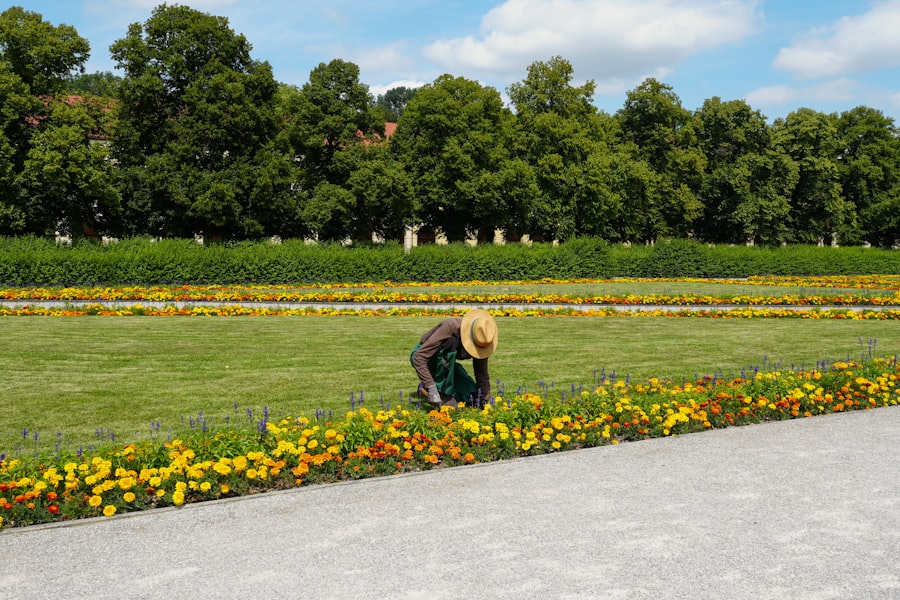
During an annual inspection, you can expect a thorough evaluation of various aspects of your lawn and landscaping. A professional will typically begin by assessing the overall health of your grass, looking for signs of disease or pest damage. They will also examine the condition of your plants, shrubs, and trees, checking for any signs of stress or decline.
This comprehensive approach ensures that no area is overlooked, allowing for a complete understanding of your landscape’s health. In addition to plant health, the inspection will often include an assessment of your irrigation system. A professional will check for leaks, clogs, or inefficiencies that could lead to water waste or inadequate hydration for your plants.
They may also evaluate hardscapes such as patios, walkways, and retaining walls to ensure they are in good condition and functioning as intended. By the end of the inspection, you should have a clear picture of what needs attention and a plan for addressing any issues.
Common Issues Found During Annual Inspections
Annual inspections often reveal a range of common issues that can affect the health and appearance of your lawn and landscaping. One prevalent problem is the presence of weeds, which can quickly overtake your garden if left unchecked. These invasive plants compete with your desired flora for nutrients and water, leading to a decline in overall plant health.
Identifying and addressing weed issues during an inspection allows you to implement effective control measures before they become overwhelming. Another common issue is soil compaction, which can hinder root growth and water absorption. This problem often arises from heavy foot traffic or improper maintenance practices.
During an annual inspection, professionals can assess soil conditions and recommend aeration or other treatments to improve soil health. Additionally, pests such as grubs or aphids may be discovered during inspections, allowing for timely intervention to prevent further damage to your plants.
How Annual Inspections Can Save You Money in the Long Run
Investing in annual inspections may seem like an added expense at first glance; however, it can actually save you money over time. By identifying potential problems early on, you can address them before they escalate into more significant issues that require costly repairs or replacements. For example, catching a pest infestation early can prevent widespread damage to your plants, saving you from having to replace them entirely.
Furthermore, annual inspections can help optimize your irrigation system’s efficiency. By ensuring that your watering practices are effective and appropriate for your landscape’s needs, you can reduce water waste and lower utility bills. In this way, regular inspections not only protect your investment in landscaping but also contribute to long-term savings by promoting sustainable practices.
Importance of Hiring a Professional for Annual Inspections
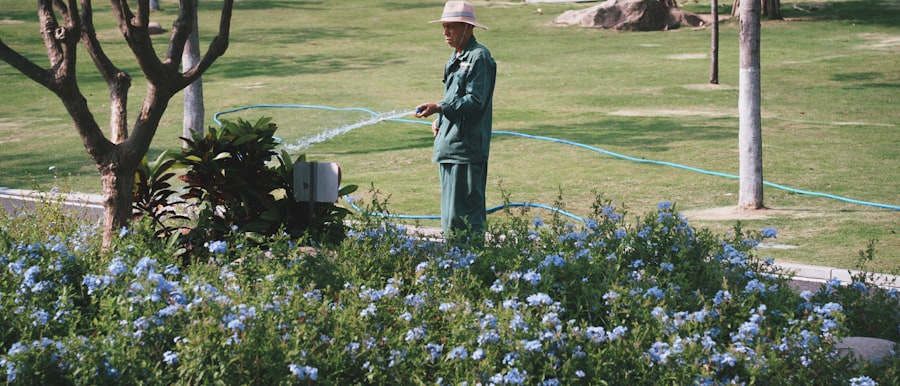
While it may be tempting to conduct annual inspections on your own, hiring a professional brings a wealth of expertise that can make a significant difference in the outcome. Professionals are trained to identify subtle signs of distress in plants and soil that may go unnoticed by an untrained eye. Their experience allows them to provide tailored recommendations based on the specific needs of your landscape.
Additionally, professionals have access to advanced tools and techniques that can enhance the inspection process. They can perform soil tests to assess nutrient levels or use specialized equipment to evaluate irrigation efficiency. By entrusting this task to experts, you ensure that your lawn and landscaping receive the best possible care, ultimately leading to a healthier and more vibrant outdoor space.
Tips for Maintaining Your Lawn and Landscaping Between Annual Inspections
Between annual inspections, there are several proactive steps you can take to maintain the health and beauty of your lawn and landscaping. First and foremost, establish a regular mowing schedule to keep your grass at an optimal height. This not only promotes healthy growth but also discourages weed development by preventing them from receiving adequate sunlight.
Additionally, consider implementing a seasonal fertilization plan tailored to the specific needs of your plants. Regularly checking for signs of pests or diseases will allow you to address any issues promptly before they escalate. Finally, don’t forget about watering; ensure that your irrigation system is functioning properly and adjust watering schedules based on seasonal changes.
By taking these steps between inspections, you’ll help maintain the vitality of your outdoor space.
How Annual Inspections Can Improve the Curb Appeal of Your Property
Curb appeal plays a crucial role in how your property is perceived by visitors and potential buyers alike. An annual inspection helps ensure that your lawn and landscaping are always looking their best. By identifying areas that need attention—such as overgrown shrubs or bare patches in the lawn—you can take action to enhance the overall appearance of your property.
Moreover, a well-maintained landscape reflects positively on you as a homeowner. It demonstrates pride in ownership and attention to detail, which can be particularly important if you’re considering selling your home in the future. A beautiful outdoor space not only increases property value but also creates an inviting atmosphere that enhances your enjoyment of your home.
The Role of Annual Inspections in Ensuring a Healthy and Safe Outdoor Environment
Annual inspections play a vital role in creating a healthy and safe outdoor environment for you and your family. By regularly assessing the condition of your lawn and landscaping, you can identify potential hazards such as unstable trees or overgrown branches that could pose risks during storms or high winds. Addressing these issues promptly ensures that your outdoor space remains safe for recreational activities.
Additionally, maintaining a healthy landscape contributes to improved air quality and biodiversity in your area. Healthy plants absorb carbon dioxide and release oxygen while providing habitats for various wildlife species. By investing in annual inspections and subsequent maintenance, you’re not only enhancing your own outdoor experience but also contributing positively to the environment around you.
How Annual Inspections Can Help Identify and Prevent Pest and Disease Issues
Pest infestations and plant diseases can wreak havoc on even the most well-maintained landscapes if left unchecked. Annual inspections are crucial for identifying these issues early on when they are easier to manage. Professionals trained in pest management can spot signs of trouble—such as discolored leaves or unusual growth patterns—and recommend appropriate treatments before infestations spread.
Preventative measures are also an essential part of this process. During inspections, professionals can advise on best practices for plant care that minimize susceptibility to pests and diseases. This proactive approach not only protects your investment but also promotes a healthier ecosystem within your landscape.
The Environmental Impact of Regular Lawn and Landscaping Maintenance
Regular lawn and landscaping maintenance has far-reaching environmental benefits that extend beyond aesthetics. Healthy lawns act as natural air filters by absorbing pollutants while providing oxygen—a vital component for life on Earth. Additionally, well-maintained landscapes contribute to soil health by preventing erosion and promoting nutrient cycling.
Moreover, responsible maintenance practices—such as using organic fertilizers or implementing efficient irrigation systems—can significantly reduce water usage and chemical runoff into local waterways. By prioritizing regular inspections and maintenance, you’re not only enhancing the beauty of your property but also playing an active role in promoting environmental sustainability within your community. In conclusion, annual inspections are an invaluable aspect of maintaining a healthy lawn and landscaping.
They provide insights into potential issues while offering opportunities for improvement that enhance both aesthetics and functionality. By investing in these inspections and committing to regular maintenance practices, you ensure that your outdoor space remains vibrant, safe, and environmentally friendly for years to come.
Regular annual inspections are crucial for maintaining the health and aesthetics of your lawn and landscaping in Frisco, TX. These inspections not only help identify potential issues but also ensure that your plants and trees are thriving. For instance, if you’re considering enhancing your landscape with new trees, you might find our article on