
When you step into a landscape, you are greeted by a tapestry of existing features that tell a story of the space. These elements can range from mature trees and shrubs to pathways, patios, and water features. Understanding these existing landscaping features is crucial for anyone looking to enhance or redesign a space.
You must take the time to observe and appreciate the unique characteristics of the landscape. Each feature has its own history and purpose, contributing to the overall aesthetic and functionality of the area. As you explore the landscape, consider how these features interact with one another.
Are there focal points that draw your eye? Do certain plants or structures create a sense of harmony or contrast? By analyzing these relationships, you can gain insights into how to best work with what is already present.
This understanding will not only inform your design choices but also help you appreciate the natural beauty that exists in the landscape, allowing you to create a cohesive and inviting environment.
Key Takeaways
- Understanding existing landscaping features is crucial for creating a successful new design.
- Assessing the condition of existing landscaping features helps in determining what can be incorporated into the new design.
- Incorporating existing features into new designs can add character and history to the landscape.
- Working with mature trees and shrubs requires careful planning and consideration for their long-term health.
- Enhancing existing hardscape features can improve the functionality and aesthetics of the landscape.
Assessing the Condition of Existing Landscaping Features
Once you have a grasp on the existing features, the next step is to assess their condition. This involves a thorough examination of plants, hardscapes, and any other elements that make up the landscape. You should look for signs of health or decline in plants, such as discoloration, wilting, or pest infestations.
For hardscape features like patios or walkways, check for cracks, uneven surfaces, or signs of wear and tear. This assessment is vital as it will guide your decisions on what to keep, restore, or replace. In addition to visual inspections, consider the functionality of these features.
Are pathways leading people where they need to go? Do seating areas provide comfort and accessibility? By evaluating both the aesthetic and functional aspects of existing landscaping features, you can make informed decisions that enhance the overall usability of the space.
This comprehensive assessment will serve as a foundation for your design plans, ensuring that you address any issues while maximizing the potential of what is already there.
Incorporating Existing Features into New Designs
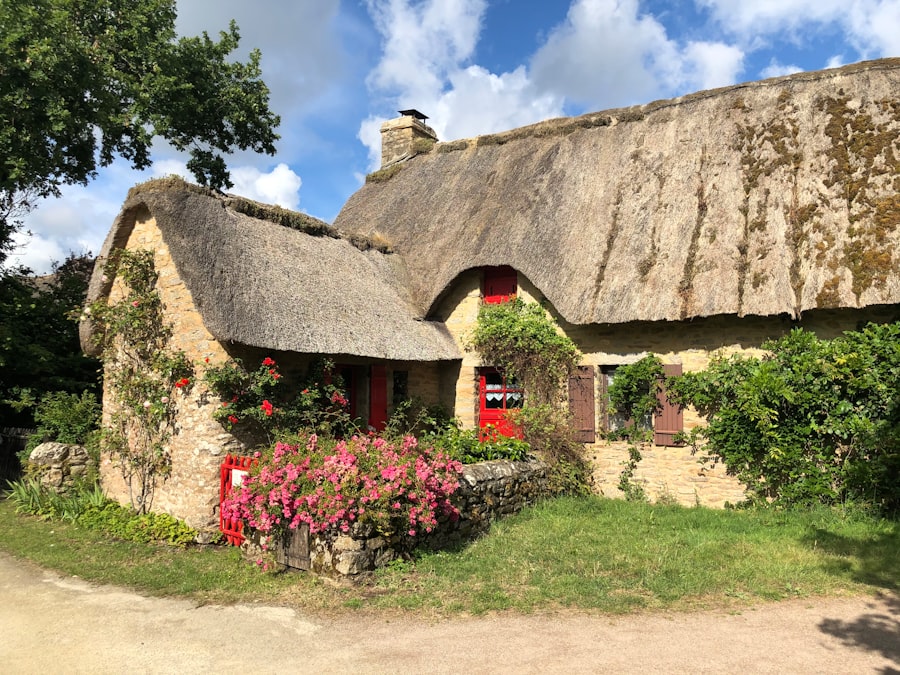
Incorporating existing features into new designs can be a rewarding challenge. Rather than starting from scratch, you have the opportunity to build upon what is already present. This approach not only saves time and resources but also creates a sense of continuity in the landscape.
As you develop your design, think about how existing elements can complement new additions. For instance, if there is a mature tree in the center of the yard, consider how new seating areas or flower beds can be arranged around it to enhance its presence. You should also explore ways to blend old and new materials seamlessly.
If your landscape includes stone pathways, think about using similar stone for new retaining walls or garden borders. This creates a cohesive look that ties the entire space together. By thoughtfully integrating existing features into your design, you can create a landscape that feels both fresh and established, allowing for a harmonious balance between old and new.
Working with Mature Trees and Shrubs
Mature trees and shrubs are often the backbone of any landscape, providing shade, structure, and beauty. When working with these established plants, it’s essential to understand their growth habits and needs. You should assess their health and consider how they fit into your overall design vision.
If a tree is healthy but overgrown, you might explore options for pruning or thinning to enhance its shape while ensuring it remains a focal point in your landscape. Additionally, consider how new plantings can complement these mature specimens. Selecting understory plants that thrive in the shade provided by larger trees can create a layered effect that adds depth to your design.
You might also think about incorporating ground cover plants that can help suppress weeds while enhancing the visual appeal around these established features. By working with mature trees and shrubs rather than against them, you can create a landscape that feels both dynamic and rooted in its natural history.
Enhancing Existing Hardscape Features
Hardscape features such as patios, walkways, and retaining walls play a crucial role in defining the structure of your landscape. Enhancing these elements can significantly improve both functionality and aesthetics. Start by evaluating the current condition of these features; are they in need of repair or simply a facelift?
A thorough cleaning can often work wonders, removing dirt and grime that may have accumulated over time. Once you’ve addressed any maintenance issues, consider how you can enhance these hardscape features through design elements like lighting or decorative accents. Adding outdoor lighting can create ambiance while improving safety during evening hours.
You might also explore options for incorporating planters or decorative stones that complement existing materials. By enhancing hardscape features thoughtfully, you can create inviting spaces that encourage outdoor living and enjoyment.
Integrating Water Features into Existing Landscapes
Assessing Existing Water Elements
If you already have water elements, like ponds or fountains, evaluate their state and functionality before making any alterations. Even well-maintained features can lack visual appeal, but surrounding plantings or decorative stones can enhance their aesthetic.
Introducing New Water Features
When introducing a new water feature into an established landscape, consider its scale and placement carefully. A small fountain can thrive in a cozy garden nook, while a larger pond can serve as a focal point in a spacious yard. Additionally, consider how sound contributes to the ambiance; the gentle sound of water can create a calming atmosphere while masking unwanted noise.
Creating an Oasis
By thoughtfully integrating water features into your existing landscape, you can create an oasis that invites relaxation and tranquility.
Incorporating Sustainable Practices into Existing Landscapes
Sustainability is an increasingly important consideration in landscaping design. When working with existing landscapes, there are numerous ways to incorporate sustainable practices without starting from scratch. Begin by assessing your current plant selections; are they native species that require less water and maintenance?
If not, consider gradually replacing non-native plants with more sustainable options that thrive in your local climate. You should also explore ways to improve soil health through organic practices such as composting or mulching. These methods not only enrich the soil but also reduce waste by repurposing organic materials from your yard.
Additionally, consider implementing rain gardens or permeable paving to manage stormwater runoff effectively. By incorporating sustainable practices into your existing landscape, you not only enhance its beauty but also contribute positively to the environment.
Maintaining the Integrity of Existing Landscaping Features
As you work on enhancing your landscape, it’s essential to maintain the integrity of existing features. This means being mindful of their historical significance and ecological value while making improvements. For example, if there are heritage trees on your property, ensure that any construction or landscaping work does not compromise their root systems or overall health.
Regular maintenance is also key to preserving existing features over time. This includes routine pruning of trees and shrubs, cleaning hardscapes, and monitoring for pests or diseases. By committing to ongoing care for these elements, you ensure that they continue to thrive and contribute positively to your landscape for years to come.
Addressing Potential Challenges with Existing Landscaping Features
While working with existing landscaping features offers many benefits, it can also present challenges that require thoughtful solutions. For instance, if certain plants are struggling due to poor soil conditions or inadequate sunlight, you may need to consider relocating them or amending the soil to improve their health. Similarly, if hardscape elements are causing drainage issues, it may be necessary to regrade certain areas or install drainage solutions.
You should also be prepared for unexpected challenges that may arise during your project. Weather conditions can impact timelines and plant health; therefore, having contingency plans in place will help you navigate these situations effectively. By addressing potential challenges proactively, you can ensure that your landscaping project remains on track while achieving the desired results.
Communicating with Clients about Existing Landscaping Features
Effective communication with clients is essential when working with existing landscaping features. You should take the time to educate them about the importance of these elements and how they can influence design decisions. Discussing the benefits of preserving mature trees or enhancing hardscapes can help clients appreciate their value and encourage them to invest in their care.
Additionally, be transparent about any challenges associated with existing features. If certain plants need replacement or hardscapes require repair before new designs can be implemented, it’s crucial to communicate this clearly with clients. By fostering open dialogue throughout the process, you build trust and ensure that everyone is aligned on expectations and goals.
The Benefits of Working with Existing Landscaping Features
In conclusion, working with existing landscaping features offers numerous benefits that extend beyond mere aesthetics. By understanding and assessing these elements, you create opportunities for thoughtful integration into new designs while preserving their historical significance and ecological value. Whether it’s enhancing mature trees or improving hardscape features, each decision contributes to a cohesive landscape that reflects both beauty and functionality.
Moreover, incorporating sustainable practices ensures that your landscape remains vibrant and resilient over time. By maintaining open communication with clients about existing features and addressing potential challenges proactively, you foster collaboration that leads to successful outcomes. Ultimately, embracing what already exists allows you to create landscapes that are not only visually appealing but also deeply connected to their environment—resulting in spaces that invite enjoyment for years to come.
When considering whether landscaping services can work with existing landscaping features, it is important to also think about how to enhance those features to improve the overall look of your outdoor space. One way to do this is by incorporating flower beds and borders into your existing landscape design. This article on flower beds and borders provides valuable tips and ideas on how to create beautiful and cohesive flower arrangements that complement your existing landscaping. By following these suggestions, you can enhance the natural beauty of your outdoor space and create a more visually appealing environment.
FAQs
Can landscaping services work with existing landscaping features?
Yes, landscaping services can work with existing landscaping features to enhance and improve the overall appearance of the outdoor space.
What are some examples of existing landscaping features that landscaping services can work with?
Some examples of existing landscaping features that landscaping services can work with include trees, shrubs, flower beds, pathways, retaining walls, and outdoor structures such as pergolas or gazebos.
How can landscaping services enhance existing landscaping features?
Landscaping services can enhance existing landscaping features by incorporating them into a cohesive design, adding complementary plants and hardscaping elements, and maintaining and updating the existing features as needed.
What are the benefits of working with existing landscaping features?
Working with existing landscaping features can help to preserve the natural beauty of the outdoor space, save time and money on landscaping projects, and create a sense of continuity and harmony in the overall design.
Can landscaping services help to maintain and care for existing landscaping features?
Yes, landscaping services can provide maintenance and care for existing landscaping features, including pruning, fertilizing, mulching, and addressing any issues such as disease or pest infestations.