
As you step into the world of landscaping, you may find yourself drawn to the vibrant colors and fragrant blooms that nature has to offer. However, there is a deeper layer to this beauty that often goes unnoticed—the vital role of pollinators in maintaining healthy ecosystems. Pollinator-friendly landscaping is not just about aesthetics; it’s about creating a sanctuary for bees, butterflies, birds, and other essential creatures that contribute to the pollination of plants.
By understanding the importance of these species and how to attract them, you can transform your outdoor space into a thriving habitat that supports biodiversity. In recent years, the alarming decline of pollinator populations has garnered significant attention. Factors such as habitat loss, pesticide use, and climate change have all contributed to this crisis.
As a responsible steward of the environment, you have the power to make a difference. By adopting pollinator-friendly landscaping practices, you can help create a more sustainable future. This article will guide you through various strategies to enhance your landscape for pollinators, ensuring that your garden not only flourishes but also supports the delicate balance of nature.
Key Takeaways
- Introduction to Pollinator-Friendly Landscaping: Learn about the importance of creating landscapes that support pollinators and the benefits they provide to the environment.
- Native Plant Selection for Pollinator Attraction: Choose native plants to attract and support local pollinators, ensuring a diverse and sustainable habitat.
- Incorporating Water Features for Pollinators: Provide water sources such as birdbaths or small ponds to attract and support pollinators in your landscape.
- Creating Pollinator-Friendly Habitats with Shelter and Nesting Sites: Incorporate features like brush piles, bee houses, and nesting boxes to provide shelter and nesting sites for pollinators.
- Organic Pest Control Methods for Pollinator Protection: Use natural and organic pest control methods to protect pollinators from harmful chemicals and maintain a healthy ecosystem.
Native Plant Selection for Pollinator Attraction
One of the most effective ways to attract pollinators to your garden is by selecting native plants. These species have evolved alongside local pollinators and are well-adapted to the climate and soil conditions of your area. When you choose native plants, you provide a reliable food source for pollinators throughout the growing season.
For instance, plants like coneflowers, milkweeds, and black-eyed Susans are not only beautiful but also serve as magnets for bees and butterflies. In addition to their ecological benefits, native plants require less maintenance than non-native varieties. They are typically more resilient to local pests and diseases, reducing the need for chemical interventions.
By incorporating a diverse array of native species into your landscape, you can create a rich tapestry of colors and textures that will delight both you and the pollinators that visit. Consider visiting local nurseries or botanical gardens to discover which native plants thrive in your region, and don’t hesitate to ask for recommendations on the best combinations for attracting specific pollinators.
Incorporating Water Features for Pollinators
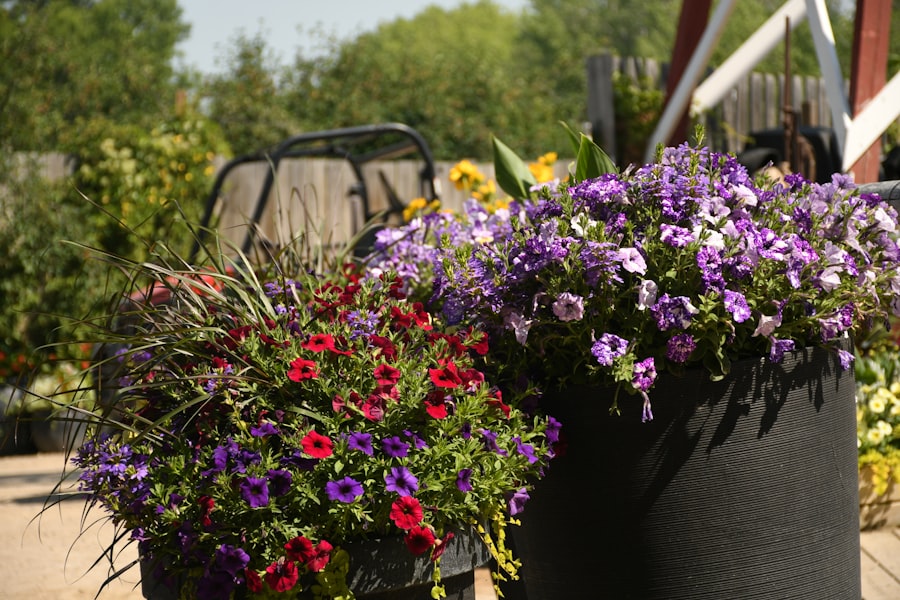
Water is an essential resource for all living creatures, including pollinators. By incorporating water features into your landscape, you can create a welcoming environment for these vital species. A simple birdbath or a small pond can provide much-needed hydration for bees, butterflies, and other insects.
When designing your water feature, consider adding shallow areas where pollinators can safely land and drink without the risk of drowning. In addition to providing drinking water, water features can also support a variety of aquatic plants that attract pollinators. For example, water lilies and cattails not only beautify your landscape but also offer shelter and food for various wildlife.
You might also consider adding a small fountain or waterfall; the sound of running water can create a serene atmosphere while attracting birds and insects alike. By thoughtfully integrating water features into your garden, you enhance its appeal while supporting the needs of pollinators.
Creating Pollinator-Friendly Habitats with Shelter and Nesting Sites
To truly support pollinators in your landscape, it’s essential to provide them with safe habitats and nesting sites. Many species of bees, for instance, are solitary and require specific conditions to thrive. You can create nesting sites by leaving patches of bare soil or incorporating bee hotels made from natural materials like wood or bamboo.
These structures mimic the natural cavities where solitary bees often lay their eggs. In addition to nesting sites, consider providing shelter from harsh weather conditions. Dense plantings or brush piles can offer refuge for pollinators during storms or extreme temperatures.
You might also leave some areas of your garden untended; this allows for natural growth and provides additional habitat for various insects. By creating diverse microhabitats within your landscape, you can ensure that pollinators have the resources they need to thrive throughout the seasons.
Organic Pest Control Methods for Pollinator Protection
While maintaining a beautiful garden is important, it’s equally crucial to protect the health of pollinators from harmful chemicals. Traditional pest control methods often involve pesticides that can be detrimental to these beneficial insects. Instead, consider adopting organic pest control methods that prioritize the well-being of pollinators while still managing pests effectively.
One effective strategy is to encourage natural predators in your garden. Ladybugs, lacewings, and predatory wasps can help keep pest populations in check without harming pollinators. You can attract these beneficial insects by planting a variety of flowers that provide nectar and pollen.
Additionally, using companion planting techniques can deter pests naturally; for example, marigolds are known to repel certain insects while attracting beneficial ones. Another organic approach is to use homemade remedies such as insecticidal soap or neem oil. These options are less harmful to pollinators when applied correctly and can effectively manage pest issues without compromising the health of your garden ecosystem.
By prioritizing organic methods, you not only protect pollinators but also contribute to a healthier environment overall.
Seasonal Blooms and Continuous Flowering for Pollinators
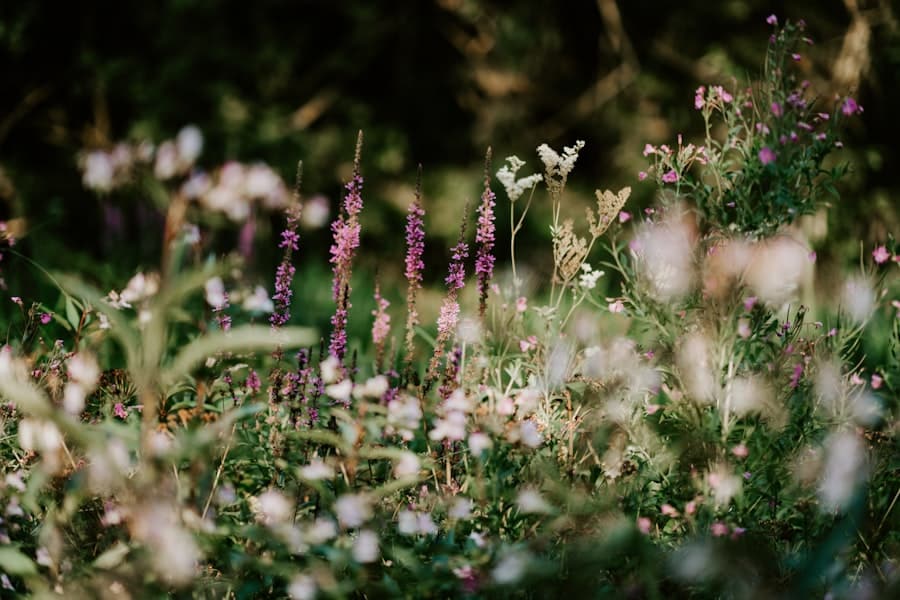
To create a truly inviting landscape for pollinators, it’s essential to plan for continuous flowering throughout the seasons. Different species of pollinators are active at various times of the year, so providing a diverse range of blooms ensures that there is always something available for them to feed on. Start by selecting early spring flowers like crocuses and snowdrops that provide nourishment after winter’s end.
As spring transitions into summer, incorporate mid-season bloomers such as bee balm and echinacea into your garden design. These vibrant flowers will attract a variety of pollinators during their peak activity periods. Finally, don’t forget about late-season blooms like asters and goldenrods; these plants are crucial for providing sustenance as pollinators prepare for winter hibernation or migration.
By carefully planning your planting schedule and selecting a variety of species that bloom at different times, you can create a dynamic landscape that supports pollinators year-round. This not only enhances the beauty of your garden but also fosters a thriving ecosystem where pollinators can flourish.
Designing Pollinator Pathways and Corridors
Creating pathways and corridors within your landscape can significantly enhance its appeal to pollinators. These routes allow insects to navigate between different areas of your garden while providing access to essential resources such as food and shelter. When designing these pathways, consider incorporating a mix of flowering plants that bloom at various times throughout the year.
You might also think about connecting your garden with neighboring green spaces or community gardens through these corridors. This connectivity is vital for promoting genetic diversity among pollinator populations and ensuring their long-term survival. By planting native species along these pathways, you create safe havens where pollinators can thrive while traveling between habitats.
In addition to benefiting pollinators, these pathways can enhance the overall aesthetic of your landscape. Curved paths lined with colorful blooms invite exploration and create visual interest in your garden design. As you cultivate these corridors, you’ll not only support local wildlife but also create an inviting space for yourself and your community.
Implementing Sustainable Landscaping Practices for Pollinator Conservation
Sustainable landscaping practices are essential for promoting long-term conservation efforts for pollinators. By adopting eco-friendly techniques in your gardening routine, you can minimize environmental impact while enhancing habitat quality for these vital creatures. Start by reducing lawn areas; traditional lawns often require excessive water and chemical inputs that can harm pollinator populations.
Instead, consider replacing portions of your lawn with native plant gardens or wildflower meadows that require less maintenance and provide abundant resources for pollinators. Additionally, practice responsible watering techniques by using rain barrels or drip irrigation systems that conserve water while ensuring plants receive adequate moisture. Composting is another sustainable practice that enriches soil health without relying on synthetic fertilizers.
By recycling organic materials from your kitchen and garden waste, you create nutrient-rich compost that supports plant growth while reducing landfill waste. As you implement these sustainable practices in your landscaping efforts, you contribute to a healthier environment for both yourself and local pollinator populations.
Educational and Community Outreach for Pollinator Awareness
Raising awareness about the importance of pollinators is crucial for fostering community support for conservation efforts. You can take an active role in educating others by hosting workshops or informational sessions focused on pollinator-friendly landscaping practices. Sharing your knowledge with neighbors and friends not only empowers them to make positive changes in their own gardens but also strengthens community bonds around shared environmental goals.
Consider partnering with local schools or community organizations to develop educational programs centered on pollinator conservation. Engaging children in hands-on activities such as planting native gardens or building bee hotels can instill a sense of responsibility toward nature from an early age. By involving diverse groups in these initiatives, you create a collective movement toward protecting pollinators while fostering appreciation for local ecosystems.
Social media platforms also offer an excellent opportunity to spread awareness about pollinator issues and share success stories from your own gardening experiences. By documenting your journey toward creating a pollinator-friendly landscape online, you inspire others to take action in their own communities.
Maintenance and Monitoring of Pollinator-Friendly Landscapes
Creating a thriving habitat for pollinators requires ongoing maintenance and monitoring efforts. Regularly assessing the health of your plants ensures they continue to provide food sources throughout the seasons. Keep an eye out for any signs of pests or diseases; early intervention can prevent larger issues from arising while protecting beneficial insects.
Additionally, consider conducting periodic surveys of the pollinator species visiting your garden. This data collection not only helps you understand which plants are most effective at attracting specific species but also contributes valuable information toward broader conservation efforts within your community. As seasons change, be prepared to adapt your maintenance practices accordingly.
For instance, after blooming periods end, consider leaving some plant stems standing over winter; this provides shelter for overwintering insects while adding visual interest to your landscape during colder months.
Case Studies and Success Stories in Pollinator-Friendly Landscaping
Across the globe, numerous case studies highlight successful initiatives aimed at creating pollinator-friendly landscapes. One inspiring example comes from urban areas where community gardens have transformed neglected spaces into vibrant habitats teeming with life. These gardens not only provide fresh produce but also serve as critical resources for local pollinator populations.
Another success story involves schools implementing native plant gardens on their campuses as part of environmental education programs. Students actively participate in planting efforts while learning about the importance of biodiversity and conservation practices firsthand. These examples demonstrate how collective action can lead to meaningful change within communities while fostering appreciation for nature’s intricate web of life.
As you embark on your journey toward creating a pollinator-friendly landscape, remember that every small effort contributes toward building healthier ecosystems—one garden at a time. In conclusion, embracing pollinator-friendly landscaping practices is not just an aesthetic choice; it’s an essential step toward preserving our planet’s biodiversity and ensuring the survival of vital species. By selecting native plants, incorporating water features, providing shelter, practicing organic pest control methods, planning for seasonal blooms, designing pathways, implementing sustainable practices, engaging in community outreach efforts, maintaining landscapes diligently, and learning from successful case studies—you can make a significant impact on local ecosystems while enjoying the beauty they bring into our lives.
If you are looking for landscaping services in Santa Ana, California, St. Louis, Missouri, or Greensboro, North Carolina, you may be interested in reading an article about how to create landscapes that attract pollinators like bees and butterflies. Check out this article for more information on how to incorporate pollinator-friendly plants and features into your landscaping design.
FAQs
What are landscaping services?
Landscaping services refer to the professional services provided to design, install, and maintain outdoor spaces such as gardens, lawns, and other landscaped areas.
How can landscaping services help create landscapes that attract pollinators like bees and butterflies?
Landscaping services can help create pollinator-friendly landscapes by incorporating native plants, providing food sources and habitat for pollinators, and using sustainable and eco-friendly landscaping practices.
What options are available for landscaping services to attract pollinators?
Landscaping services can use options such as planting native flowering plants, creating pollinator gardens, installing bee and butterfly houses, and avoiding the use of pesticides harmful to pollinators.
Why is it important to attract pollinators like bees and butterflies to landscapes?
Attracting pollinators like bees and butterflies is important for ecosystem health, as they play a crucial role in pollinating plants, which is essential for the production of fruits, vegetables, and seeds.
How can I find a landscaping service that specializes in creating pollinator-friendly landscapes?
You can find landscaping services that specialize in creating pollinator-friendly landscapes by researching online, asking for recommendations from local gardening or environmental organizations, and specifically inquiring about their experience with pollinator-friendly landscaping.