
Allergies are a common concern for many individuals, affecting millions worldwide. They occur when the immune system reacts to substances known as allergens, which can include pollen, mold, dust mites, and certain plants. As you venture into landscaping, it’s essential to recognize how these allergens can impact your outdoor experience.
The landscape you create can either exacerbate or alleviate allergy symptoms, depending on the choices you make regarding plants, materials, and design. When you think about landscaping, consider the various elements that contribute to allergies. For instance, flowering plants often release pollen into the air, which can trigger allergic reactions in sensitive individuals.
Additionally, certain trees and grasses are notorious for producing high levels of allergens. By understanding these factors, you can make informed decisions that promote a healthier outdoor environment for yourself and others who may be affected by allergies.
Key Takeaways
- Understanding Allergies and Landscaping: Allergies can be triggered by pollen from plants and trees in outdoor spaces, impacting the enjoyment of outdoor areas.
- The Importance of Low-Allergen Landscapes: Low-allergen landscapes can reduce the impact of allergies and create a more enjoyable outdoor environment for everyone.
- Choosing Low-Allergen Plants and Trees: Selecting low-allergen plants and trees can help minimize pollen production and reduce allergy symptoms.
- Designing Allergy-Friendly Outdoor Spaces: Thoughtful design and placement of low-allergen plants and trees can create allergy-friendly outdoor spaces.
- Implementing Allergy-Friendly Hardscaping: Incorporating hardscaping features can further reduce allergens in outdoor areas and enhance the overall design.
The Importance of Low-Allergen Landscapes
Creating a low-allergen landscape is not just a matter of aesthetics; it’s about fostering a safe and enjoyable environment for everyone. Low-allergen landscapes can significantly reduce the presence of irritants that trigger allergic reactions, allowing you and your family to enjoy your outdoor spaces without fear of discomfort. This is particularly important for children and elderly individuals who may be more susceptible to allergens.
Moreover, low-allergen landscapes can enhance the overall quality of life in your community. When public spaces, parks, and residential areas prioritize allergy-friendly plants and designs, they become more inclusive for individuals with sensitivities. This approach not only benefits those with allergies but also promotes biodiversity and ecological balance, creating a harmonious relationship between nature and human habitation.
Choosing Low-Allergen Plants and Trees
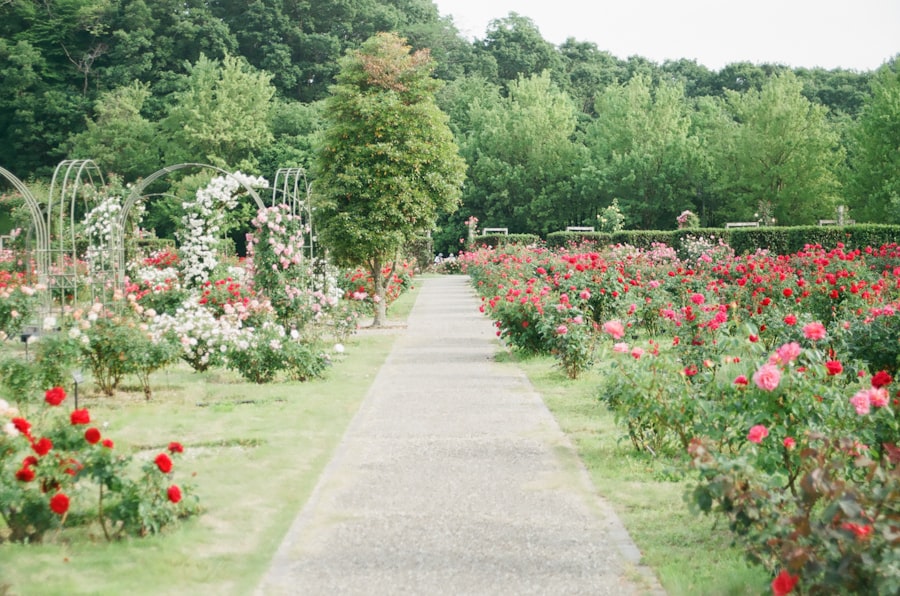
Selecting the right plants and trees is crucial in designing a low-allergen landscape. You should focus on species that produce minimal pollen or have other characteristics that make them less likely to trigger allergies. For instance, consider opting for female trees that do not produce pollen or those that have been bred specifically for low allergenicity.
Some excellent choices include birch trees, which are known for their beauty but can be problematic due to their pollen; instead, look for alternatives like the non-pollen-producing varieties of maple. In addition to trees, you should also pay attention to flowering plants. Many popular garden flowers, such as daisies and sunflowers, can release significant amounts of pollen.
Instead, consider planting low-allergen options like daylilies or peonies. These plants not only add beauty to your landscape but also minimize the risk of triggering allergic reactions. By carefully selecting your flora, you can create a vibrant garden that is both visually appealing and considerate of allergy sufferers.
Designing Allergy-Friendly Outdoor Spaces
When designing outdoor spaces with allergies in mind, it’s essential to think about layout and accessibility. You should create designated areas that allow for easy movement while minimizing exposure to potential allergens. For example, consider incorporating pathways lined with low-allergen plants or shrubs that act as natural barriers against wind-blown pollen from more allergenic species.
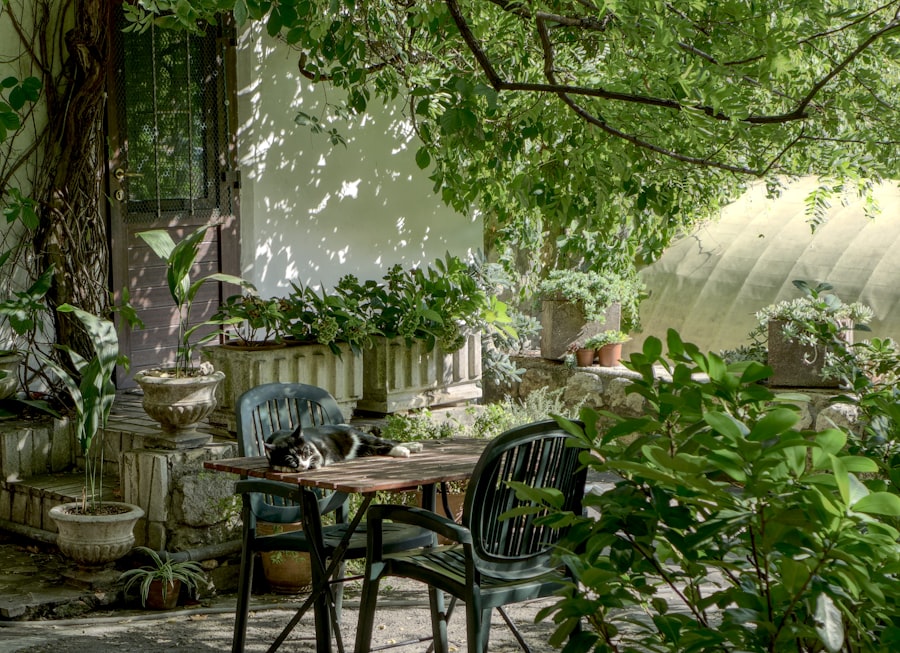
Additionally, you might want to include features such as shaded seating areas where individuals can relax without being directly exposed to allergens. Using hardscaping elements like patios or decks can also help create spaces that are less prone to allergen accumulation. By thoughtfully designing your outdoor areas, you can ensure that they are not only beautiful but also functional and safe for everyone.
Implementing Allergy-Friendly Hardscaping
Hardscaping plays a vital role in creating allergy-friendly landscapes. By incorporating non-plant elements such as patios, walkways, and retaining walls, you can reduce the overall presence of allergens in your outdoor space. Hardscaping materials like stone or concrete do not produce pollen and can help create defined areas that are easy to maintain.
You should also consider using permeable materials for walkways and driveways to allow water drainage while minimizing dust accumulation. This approach not only helps manage allergens but also contributes to sustainable landscaping practices by reducing runoff and promoting groundwater recharge. By integrating hardscaping thoughtfully into your landscape design, you can create a balanced environment that supports both aesthetic appeal and allergy management.
Maintaining Low-Allergen Landscapes
Regular Maintenance Tasks
Regular maintenance tasks such as mowing grass at appropriate heights and removing fallen leaves can significantly reduce allergen levels in your yard. You should also be vigilant about weeding, as many weeds are notorious for producing high levels of pollen.
Promoting Healthy Soil and Growth
In addition to routine maintenance, consider implementing practices that promote healthy soil and plant growth. Healthy plants are less likely to succumb to pests and diseases, which can lead to increased allergen production. You might want to explore organic gardening techniques that minimize chemical use while promoting biodiversity in your landscape.
Creating a Safe Haven
By committing to regular maintenance and sustainable practices, you can ensure that your outdoor space remains a safe haven for all.
Working with Professional Landscaping Services
If you find the task of creating a low-allergen landscape overwhelming, consider enlisting the help of professional landscaping services. Experienced landscapers can provide valuable insights into plant selection, design strategies, and maintenance practices tailored to your specific needs. They can help you navigate the complexities of creating an allergy-friendly environment while ensuring that your vision is realized.
When working with professionals, be sure to communicate your concerns about allergies clearly. Discuss your goals for creating a low-allergen landscape and ask for their recommendations on suitable plants and design elements. A knowledgeable landscaper will be able to guide you through the process while considering both aesthetics and allergy management.
Incorporating Allergy-Friendly Features in Landscaping Plans
Incorporating allergy-friendly features into your landscaping plans goes beyond just plant selection; it involves considering various elements that contribute to an overall healthier environment. For instance, you might want to include water features like ponds or fountains that can help humidify the air and reduce airborne allergens. Additionally, creating windbreaks using strategically placed shrubs or fences can help shield your outdoor space from pollen carried by the wind.
You should also think about incorporating seating areas with shade structures that provide respite from direct sunlight while minimizing exposure to allergens. These features not only enhance the usability of your outdoor space but also create a more inviting atmosphere for gatherings with family and friends.
The Benefits of Low-Allergen Landscapes
The benefits of low-allergen landscapes extend far beyond mere aesthetics; they contribute significantly to overall health and well-being. By reducing allergen exposure in your outdoor spaces, you create an environment where individuals with sensitivities can enjoy nature without fear of discomfort or health issues. This inclusivity fosters a sense of community and encourages outdoor activities for everyone.
Moreover, low-allergen landscapes often promote biodiversity by encouraging the growth of native plants that support local wildlife. This ecological balance enhances the beauty of your surroundings while contributing positively to the environment. Ultimately, investing in a low-allergen landscape is an investment in health, community well-being, and environmental sustainability.
Creating Safe and Enjoyable Outdoor Spaces for All
Creating safe and enjoyable outdoor spaces for all requires thoughtful planning and consideration of various factors that contribute to comfort and accessibility. You should aim to design landscapes that cater not only to those with allergies but also to individuals of all ages and abilities. This means incorporating features like wide pathways for easy navigation, seating areas that accommodate different needs, and sensory gardens that engage all the senses without overwhelming those who may be sensitive.
By prioritizing inclusivity in your landscaping efforts, you foster an environment where everyone feels welcome and comfortable enjoying nature’s beauty. This approach not only enhances individual experiences but also strengthens community bonds as people come together in shared outdoor spaces.
Tips for Managing Allergies in Outdoor Environments
Managing allergies in outdoor environments requires proactive strategies that empower you to enjoy nature while minimizing discomfort. First and foremost, staying informed about local pollen counts can help you plan outdoor activities during times when allergen levels are lower. You might want to consider scheduling outings early in the morning or after rain when pollen levels tend to be reduced.
Additionally, wearing protective gear such as sunglasses or masks can provide an extra layer of defense against airborne allergens while spending time outdoors. Keeping windows closed during high pollen seasons and using air purifiers indoors can also help create a more comfortable living environment when returning home from outdoor activities. By implementing these tips alongside creating a low-allergen landscape, you can cultivate an outdoor experience that is both enjoyable and safe for everyone involved.
Can Landscaping Services Provide Options for Landscapes That Are Designed to Be Low-allergen or Allergy-friendly? This is a question that many homeowners with allergies may have when considering their landscaping options. One related article that may provide some insight is “The Importance of Lawn Care for Allergy Sufferers”. This article discusses how proper lawn care can help reduce allergens in the yard, making it a more comfortable space for those with allergies. Additionally, services such as those offered by Landscaping Service Orlando, Florida and Landscaping Service Mesa, Arizona may offer specific options for creating low-allergen or allergy-friendly landscapes.
FAQs
What are low-allergen or allergy-friendly landscapes?
Low-allergen or allergy-friendly landscapes are designed to minimize the presence of allergens such as pollen, mold, and other irritants that can trigger allergic reactions in individuals. These landscapes typically feature plants that produce minimal pollen, have low levels of fragrance, and are easy to maintain to prevent the accumulation of allergens.
Can landscaping services provide options for low-allergen or allergy-friendly landscapes?
Yes, many landscaping services offer options for designing and creating low-allergen or allergy-friendly landscapes. They can recommend and incorporate plants that are less likely to trigger allergies, as well as implement landscaping practices that reduce the presence of allergens in the outdoor environment.
What are some features of low-allergen or allergy-friendly landscapes?
Some features of low-allergen or allergy-friendly landscapes include the use of non-allergenic plants, minimal use of flowering plants with high pollen production, proper spacing and maintenance of plants to reduce mold growth, and the incorporation of hardscaping elements to minimize the need for high-maintenance vegetation.
How can landscaping services help in creating low-allergen or allergy-friendly landscapes?
Landscaping services can help in creating low-allergen or allergy-friendly landscapes by conducting site assessments to identify potential allergen sources, recommending suitable plant species that are less likely to trigger allergies, implementing proper maintenance practices to minimize allergen accumulation, and providing ongoing care and maintenance to ensure the landscape remains allergy-friendly.