
Water conservation in landscaping is an increasingly vital practice as the world grapples with the challenges of climate change and dwindling freshwater resources. As you step into your garden or outdoor space, you may not realize the significant impact that your landscaping choices can have on water usage. By adopting water-efficient practices, you not only contribute to environmental sustainability but also create a more resilient landscape that can thrive even in the face of drought conditions.
Understanding the principles of water conservation in landscaping is essential for anyone looking to make a positive change in their outdoor spaces. In recent years, the importance of conserving water has become more pronounced, especially in regions prone to drought. You may find that traditional landscaping methods often lead to excessive water consumption, which can strain local water supplies.
By embracing innovative landscaping techniques that prioritize water efficiency, you can transform your outdoor areas into sustainable havens. This article will explore various strategies for conserving water in landscaping, from efficient irrigation systems to the use of drought-resistant plants, all aimed at fostering a greener and more sustainable future.
Key Takeaways
- Efficient irrigation systems are crucial for conserving water in landscaping.
- Sustainable landscape design plays a key role in water conservation efforts.
- Drought-resistant plants are a valuable addition to water-saving landscaping.
- Smart irrigation technology can significantly improve water efficiency in landscaping.
- Collaboration with local water authorities is essential for successful water conservation in landscaping projects.
Importance of Efficient Irrigation Systems in Water Conservation
Water Waste and Inefficiencies
Traditional sprinkler systems can lead to significant water waste due to evaporation and runoff, especially during the hottest parts of the day.
Efficient Irrigation Solutions
By investing in more efficient irrigation solutions, such as drip irrigation or soaker hoses, you can ensure that water is delivered directly to the roots of your plants, minimizing waste and maximizing effectiveness. Moreover, efficient irrigation systems can be tailored to meet the specific needs of your landscape. You might find that using timers and moisture sensors can help you optimize watering schedules based on real-time weather conditions.
Long-term Benefits
This not only conserves water but also promotes healthier plant growth by preventing overwatering. As you explore these options, consider how implementing an efficient irrigation system can lead to long-term savings on your water bill while simultaneously contributing to broader water conservation efforts in your community.
Designing Sustainable Landscapes to Conserve Water
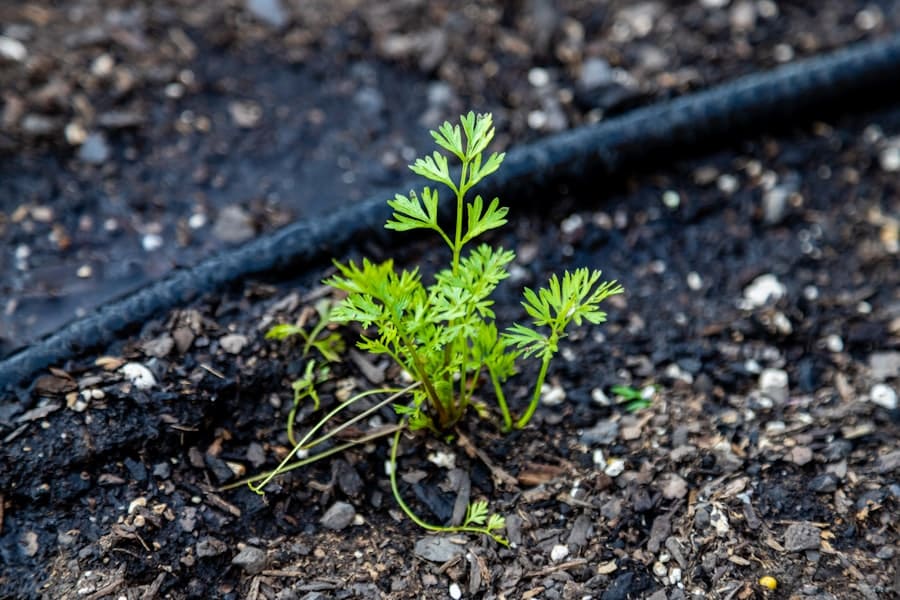
Designing sustainable landscapes is a proactive approach to conserving water while enhancing the beauty and functionality of your outdoor spaces. As you embark on this journey, think about incorporating native plants that are well-adapted to your local climate. These plants typically require less water and maintenance than non-native species, making them an excellent choice for a sustainable landscape.
By selecting plants that thrive in your region, you can create a vibrant garden that flourishes with minimal intervention. In addition to choosing the right plants, consider the layout and design of your landscape. You might want to incorporate features such as contouring and terracing, which can help manage water runoff and promote natural drainage.
Creating designated areas for rain gardens or bioswales can also enhance water absorption and reduce the need for supplemental irrigation. By thoughtfully designing your landscape with sustainability in mind, you can create an outdoor space that not only conserves water but also supports local ecosystems and wildlife.
Implementing Drought-Resistant Plants in Landscaping
The implementation of drought-resistant plants is a cornerstone of effective water conservation in landscaping. As you explore options for your garden, consider incorporating species that are known for their resilience in dry conditions. These plants have adapted over time to survive with minimal water, making them ideal choices for sustainable landscaping.
You may find that succulents, ornamental grasses, and certain flowering perennials not only require less water but also add unique textures and colors to your garden. When selecting drought-resistant plants, it’s essential to consider their compatibility with your local climate and soil conditions. You might want to consult local nurseries or extension services for recommendations on the best varieties for your area.
Additionally, grouping plants with similar water needs together can help streamline your irrigation efforts and further reduce water consumption. By embracing drought-resistant plants, you can create a stunning landscape that thrives even during periods of low rainfall.
Utilizing Smart Irrigation Technology for Water Efficiency
Smart irrigation technology has revolutionized the way we approach watering our landscapes, offering innovative solutions that enhance water efficiency. As you delve into this realm, consider investing in smart controllers that adjust watering schedules based on weather forecasts and soil moisture levels. These devices can significantly reduce water waste by ensuring that your plants receive just the right amount of moisture when they need it most.
In addition to smart controllers, you might explore the benefits of soil moisture sensors and rain sensors. These tools provide real-time data about soil conditions, allowing you to make informed decisions about when and how much to water. By utilizing smart irrigation technology, you not only conserve water but also promote healthier plant growth by preventing overwatering and encouraging deep root development.
This integration of technology into your landscaping practices represents a forward-thinking approach to sustainable gardening.
Incorporating Rainwater Harvesting Systems in Landscaping

Incorporating rainwater harvesting systems into your landscaping design is an effective way to enhance water conservation efforts while providing a sustainable source of irrigation for your garden. As you consider this option, think about installing rain barrels or cisterns that collect runoff from your roof during rainfall events. This harvested rainwater can then be used to irrigate your plants during dry spells, reducing reliance on municipal water supplies.
When designing a rainwater harvesting system, it’s essential to ensure proper filtration and storage to maintain water quality. You might also want to integrate this system with your existing irrigation setup for maximum efficiency. By capturing and utilizing rainwater, you not only conserve precious resources but also contribute to stormwater management efforts in your community.
This practice exemplifies a holistic approach to landscaping that prioritizes sustainability and environmental stewardship.
Educating Clients on Water-Saving Practices in Landscaping
Educating clients about water-saving practices in landscaping is crucial for fostering a culture of conservation within your community. As you engage with clients, take the time to explain the benefits of implementing efficient irrigation systems, selecting drought-resistant plants, and designing sustainable landscapes. Providing clear information about these practices empowers clients to make informed decisions that align with their values and environmental goals.
You might also consider hosting workshops or informational sessions focused on water conservation in landscaping. These events can serve as platforms for sharing knowledge and best practices while encouraging community involvement. By actively engaging clients in discussions about sustainable landscaping techniques, you help cultivate a sense of responsibility towards water conservation that extends beyond individual gardens and into the broader community.
Maintenance Practices to Minimize Water Usage in Landscaping
Maintenance practices play a pivotal role in minimizing water usage within landscaped areas. As you care for your garden, consider implementing techniques such as mulching, which helps retain soil moisture and suppress weeds. A layer of organic mulch not only conserves water but also enriches the soil as it breaks down over time, promoting healthier plant growth.
Additionally, regular maintenance tasks such as pruning and deadheading can improve plant health and reduce water needs. By removing dead or diseased foliage, you allow remaining plants to focus their energy on growth rather than supporting struggling sections. You might also want to schedule watering during cooler parts of the day—early morning or late afternoon—to minimize evaporation losses.
By adopting these maintenance practices, you can create a thriving landscape while significantly reducing overall water consumption.
Collaboration with Local Water Authorities for Water Conservation
Collaboration with local water authorities is essential for advancing water conservation initiatives within landscaping practices. As you engage with these organizations, consider exploring programs or incentives they may offer for implementing sustainable landscaping techniques. Many local governments are increasingly focused on promoting water conservation efforts and may provide resources or funding opportunities for projects that align with these goals.
By working together with local authorities, you can help raise awareness about the importance of responsible water use in landscaping while advocating for policies that support sustainable practices. This collaboration not only benefits individual homeowners but also contributes to broader community efforts aimed at preserving valuable water resources for future generations.
Case Studies of Successful Water Conservation in Landscaping Projects
Examining case studies of successful water conservation projects can provide valuable insights into effective strategies and practices within landscaping. As you explore these examples, look for projects that have successfully integrated efficient irrigation systems, drought-resistant plants, and rainwater harvesting techniques. These case studies often highlight innovative approaches that have led to significant reductions in water usage while enhancing the overall aesthetic appeal of outdoor spaces.
You might find inspiration from community gardens or public parks that have embraced sustainable landscaping practices as part of their design philosophy. These projects often serve as models for others looking to implement similar strategies in their own landscapes. By learning from these successes, you can gain practical knowledge and ideas that can be applied to your own landscaping endeavors.
The Future of Water Conservation in Landscaping
The future of water conservation in landscaping is bright as more individuals and communities recognize the importance of sustainable practices in preserving our precious resources. As you reflect on the various strategies discussed throughout this article, consider how each element contributes to a larger movement towards environmental stewardship and resilience against climate change. By embracing innovative technologies, educating clients, and collaborating with local authorities, you can play an active role in shaping a more sustainable future for landscaping.
The choices you make today will not only impact your immediate surroundings but also contribute to a collective effort aimed at conserving water for generations to come. As we move forward, let us commit to creating landscapes that are not only beautiful but also responsible stewards of our planet’s most vital resource—water.
Landscaping services play a crucial role in addressing concerns related to the conservation of water resources and the use of efficient irrigation systems. One related article that provides valuable insights on this topic is “What Are the Best Ways to Save Money on Landscaping Services?”. This article offers tips and strategies for homeowners to reduce their landscaping costs while still maintaining a beautiful and sustainable outdoor space. By implementing cost-saving measures, such as choosing drought-resistant plants and installing water-efficient irrigation systems, homeowners can contribute to water conservation efforts and promote environmental sustainability.
FAQs
What are landscaping services?
Landscaping services refer to the professional services provided to design, install, and maintain outdoor spaces such as gardens, lawns, and other green areas.
How do landscaping services address concerns related to the conservation of water resources?
Landscaping services address concerns related to the conservation of water resources by using water-efficient irrigation systems, selecting drought-resistant plants, and implementing water-saving techniques such as mulching and proper soil preparation.
What are efficient irrigation systems in landscaping?
Efficient irrigation systems in landscaping include drip irrigation, soaker hoses, and smart irrigation controllers that deliver water directly to the roots of plants, minimizing water waste and promoting water conservation.
How do landscaping services promote the use of efficient irrigation systems?
Landscaping services promote the use of efficient irrigation systems by recommending and installing water-saving technologies, conducting regular maintenance to ensure proper functioning, and educating clients on best practices for water-efficient landscaping.
What role do landscaping services play in promoting sustainable water management?
Landscaping services play a crucial role in promoting sustainable water management by designing and maintaining landscapes that minimize water usage, prevent water runoff, and support the overall conservation of water resources.