
Outdoor education plays a crucial role in the holistic development of individuals, particularly children. When you step outside the confines of a traditional classroom, you open up a world of possibilities that can enhance learning experiences. Nature exploration fosters curiosity, encourages physical activity, and promotes emotional well-being.
As you engage with the natural world, you not only learn about ecosystems and biodiversity but also develop critical thinking and problem-solving skills. The sensory experiences that come from being outdoors—like the feel of grass underfoot or the sound of rustling leaves—can create lasting memories and a deeper connection to the environment. Moreover, outdoor education can significantly impact social skills and teamwork.
When you participate in group activities outside, you learn to communicate effectively, collaborate with peers, and build relationships. These experiences are invaluable as they prepare you for future challenges in both personal and professional realms. By immersing yourself in nature, you cultivate a sense of responsibility towards the environment, which is essential in today’s world where ecological issues are increasingly pressing.
Thus, outdoor education is not just about learning facts; it’s about nurturing a generation that values and protects the planet.
Key Takeaways
- Outdoor education and nature exploration are important for children’s development and well-being.
- Landscaping services play a crucial role in creating and maintaining outdoor learning spaces.
- Natural elements such as plants, trees, and water features can enhance outdoor learning environments.
- Safe and accessible outdoor environments are essential for effective education and exploration.
- Landscaping can help foster a love for nature in children and encourage environmental stewardship.
Understanding the Role of Landscaping Services in Outdoor Education
Creating an Inviting Atmosphere
By incorporating elements such as gardens, pathways, and seating areas, landscaping services can help establish an inviting atmosphere that encourages exploration and learning. Additionally, landscaping can be tailored to meet specific educational goals.
Tailoring Landscaping to Educational Goals
For instance, if your focus is on biology, a landscape rich in native plants can serve as a living laboratory for students to study local flora and fauna. If environmental science is your area of interest, incorporating rain gardens or composting areas can provide hands-on learning opportunities about sustainability.
Incorporating Natural Elements into Outdoor Learning Spaces
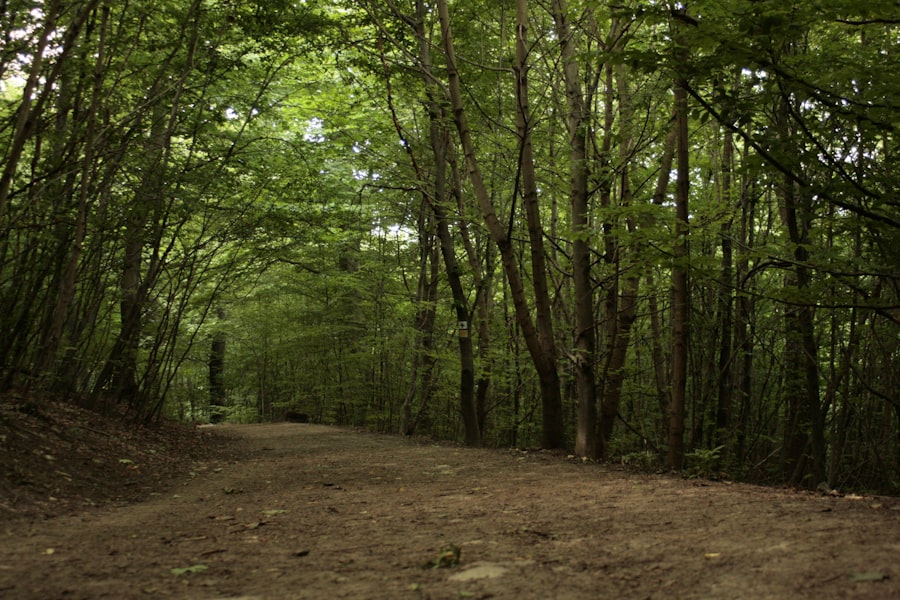
Incorporating natural elements into outdoor learning spaces is essential for creating an engaging and immersive educational experience. You can enhance these spaces by integrating features such as trees, shrubs, water features, and even rocks or logs that serve as natural seating. These elements not only beautify the environment but also provide diverse opportunities for exploration and discovery.
For example, a small pond can become a focal point for studying aquatic ecosystems, while a garden can serve as a hands-on laboratory for understanding plant biology. Moreover, natural elements can stimulate creativity and imagination among students. When you are surrounded by the beauty of nature, it encourages you to think outside the box and engage with your surroundings in innovative ways.
You might find yourself inspired to create art, write stories, or even conduct scientific experiments based on what you observe in your outdoor environment. By thoughtfully incorporating these elements into your learning spaces, you create an atmosphere that nurtures curiosity and fosters a love for nature.
Creating Safe and Accessible Outdoor Environments for Education
Safety and accessibility are paramount when designing outdoor environments for education. You want to ensure that all students can enjoy and benefit from these spaces without fear of injury or exclusion. This means considering factors such as terrain, pathways, and equipment when planning your outdoor learning areas.
Smooth, even surfaces are essential for wheelchair accessibility, while clear signage can help guide students through the space safely. In addition to physical safety, it’s important to create an emotionally safe environment where students feel comfortable exploring and expressing themselves. This can be achieved by fostering a culture of respect and inclusivity within your outdoor spaces.
Encouraging teamwork and collaboration among students can help build trust and camaraderie, making everyone feel valued and included in the learning process. By prioritizing safety and accessibility, you create an outdoor environment where all students can thrive.
Utilizing Landscaping to Foster a Love for Nature in Children
Landscaping has the power to instill a deep appreciation for nature in children from a young age. When you design outdoor spaces that are rich in biodiversity and interactive elements, you invite children to explore and connect with their environment. For instance, creating sensory gardens filled with fragrant flowers, textured plants, and colorful foliage can engage children’s senses and spark their curiosity about the natural world.
Furthermore, landscaping can provide opportunities for hands-on experiences that deepen children’s understanding of nature. You might consider incorporating vegetable gardens or butterfly habitats into your outdoor spaces. These features not only teach children about plant growth and life cycles but also encourage them to take an active role in caring for their environment.
By fostering a love for nature through thoughtful landscaping, you empower children to become stewards of the earth as they grow.
Engaging Students in Hands-On Learning Through Landscaping

Practical Skills and Real-World Applications
When students are involved in designing and maintaining outdoor areas, they acquire valuable skills that extend beyond traditional academic subjects. For instance, planting a garden teaches students about biology, and also imparts essential values such as responsibility and teamwork.
Interdisciplinary Learning
Landscaping projects can be seamlessly integrated into various subjects, including math, science, and art. Measuring garden plots for planting or calculating the amount of soil needed for a new flower bed are examples of how landscaping reinforces academic concepts and demonstrates their real-world applications. By engaging students in hands-on landscaping projects, educators create meaningful connections between students’ education and the world around them.
Maximizing the Benefits of Outdoor Education with Professional Landscaping
To truly maximize the benefits of outdoor education, collaborating with professional landscaping services is essential. These experts bring knowledge and experience that can help you create effective learning environments tailored to your specific needs. They understand how to design landscapes that promote engagement while considering factors such as climate, soil type, and local ecosystems.
Professional landscapers can also assist in selecting appropriate plants that thrive in your area while providing educational value. For instance, native plants not only support local wildlife but also teach students about biodiversity and conservation efforts. By leveraging the expertise of landscaping professionals, you can ensure that your outdoor education spaces are not only beautiful but also functional and sustainable.
Implementing Sustainable and Eco-Friendly Practices in Outdoor Learning Spaces
Sustainability should be at the forefront of any outdoor education initiative. As you design your learning spaces, consider implementing eco-friendly practices that promote environmental stewardship among students. This could include using native plants that require less water and maintenance or installing rainwater harvesting systems to irrigate gardens sustainably.
Additionally, incorporating composting stations or recycling bins into your outdoor spaces can teach students about waste management and resource conservation. By engaging them in these practices, you instill a sense of responsibility towards the environment that extends beyond the classroom walls. Sustainable landscaping not only enhances outdoor learning environments but also serves as a powerful teaching tool for future generations.
Collaborating with Landscaping Services to Design Educational Gardens
Collaborating with landscaping services to design educational gardens can transform your outdoor spaces into dynamic learning environments. These gardens can serve various educational purposes—from teaching students about plant biology to providing habitats for local wildlife. When working with landscaping professionals, it’s important to communicate your educational goals so they can tailor their designs accordingly.
You might consider creating themed gardens that align with specific subjects or interests. For example, a sensory garden filled with aromatic herbs could enhance lessons on culinary arts or nutrition, while a pollinator garden could support studies on ecosystems and biodiversity. By partnering with landscaping services to design these educational gardens, you create unique opportunities for hands-on learning that inspire curiosity and engagement among students.
Enhancing Curriculum with Outdoor Learning Environments
Outdoor learning environments have the potential to significantly enhance curriculum across various subjects. When you take lessons outside, you provide students with real-world contexts that make learning more relevant and engaging. For instance, conducting science experiments outdoors allows students to observe natural phenomena firsthand rather than relying solely on textbooks.
Moreover, outdoor environments can facilitate interdisciplinary learning by connecting different subjects through experiential activities. You might find yourself integrating art projects inspired by nature or using math skills to measure garden plots during planting activities. By enhancing your curriculum with outdoor learning environments, you create a rich tapestry of experiences that cater to diverse learning styles and interests.
The Future of Outdoor Education and Landscaping Services
The future of outdoor education is bright as more educators recognize its value in fostering holistic development among students. As society becomes increasingly aware of environmental issues, there is a growing emphasis on teaching children about sustainability and conservation through hands-on experiences in nature. This shift presents exciting opportunities for collaboration between educators and landscaping services to create innovative outdoor learning environments.
As technology continues to evolve, we may see advancements in landscaping techniques that further enhance outdoor education experiences. For example, integrating smart technology into gardens could allow students to monitor plant growth or track local wildlife activity through apps or sensors. By embracing these innovations while maintaining a focus on nature exploration, we can cultivate a generation of environmentally conscious individuals who are equipped to tackle future challenges.
In conclusion, outdoor education is an invaluable component of holistic development that fosters curiosity, teamwork, and environmental stewardship among students. By understanding the role of landscaping services in creating engaging outdoor learning spaces and implementing sustainable practices, you can maximize the benefits of these experiences for future generations. As we look ahead to the future of education, it is clear that collaboration between educators and landscaping professionals will play a pivotal role in shaping vibrant learning environments that inspire a love for nature and lifelong learning.
Can Landscaping Services Provide Guidance on Creating Landscapes That Are Suitable for Outdoor Education and Nature Exploration? This article explores the potential for landscaping services to help create outdoor spaces that are conducive to learning and exploration. For more information on how landscaping services can enhance outdoor environments, check out this article on Landscaping Service in Anaheim, California.
FAQs
What are landscaping services?
Landscaping services refer to the professional services provided by individuals or companies to design, create, and maintain outdoor spaces such as gardens, parks, and other natural areas.
What is outdoor education and nature exploration?
Outdoor education involves learning and activities that take place in outdoor settings, while nature exploration involves the exploration and study of the natural environment, including plants, animals, and ecosystems.
Can landscaping services provide guidance on creating landscapes suitable for outdoor education and nature exploration?
Yes, many landscaping services have the expertise to design and create outdoor spaces that are conducive to outdoor education and nature exploration. They can provide guidance on incorporating features such as nature trails, educational gardens, and wildlife habitats.
What are some features that landscaping services can incorporate for outdoor education and nature exploration?
Landscaping services can incorporate features such as nature trails, outdoor classrooms, wildlife habitats, educational gardens, and interpretive signage to enhance outdoor education and nature exploration experiences.
How can landscaping services contribute to promoting environmental stewardship through outdoor education and nature exploration?
Landscaping services can design and create outdoor spaces that promote environmental stewardship by incorporating sustainable landscaping practices, native plantings, and educational opportunities that raise awareness about the importance of conservation and environmental protection.