
Biophilic design is an innovative approach that seeks to reconnect people with nature through the built environment. As urbanization continues to rise, the need for integrating natural elements into our living spaces has become increasingly vital. You may find yourself yearning for a sense of tranquility and connection to the natural world, especially in bustling urban settings.
Biophilic design addresses this need by incorporating elements such as plants, water features, and natural materials into landscaping, creating spaces that not only enhance aesthetic appeal but also promote well-being. The importance of biophilic design in landscaping cannot be overstated. It fosters a sense of belonging and peace, which is essential for mental health and emotional well-being.
By creating environments that mimic natural ecosystems, you can experience reduced stress levels and improved cognitive function. Furthermore, biophilic design encourages biodiversity, which is crucial for maintaining ecological balance. As you explore the principles of biophilic design, you will discover how it can transform ordinary landscapes into vibrant, restorative spaces that nurture both people and the planet.
Key Takeaways
- Biophilic design integrates natural elements into the built environment to create a connection with nature and improve human well-being.
- Landscaping services play a crucial role in implementing biophilic design principles by incorporating natural elements, patterns, and biodiversity into designed landscapes.
- Biophilic design aims to create naturalistic and restorative landscapes that enhance human health and well-being through nature interaction.
- Landscaping services can maximize opportunities for nature interaction in designed landscapes, promoting a sense of well-being and connection to the natural world.
- The future of biophilic design relies on the role of landscaping services in creating sustainable, resilient, and biodiverse landscapes, especially in urban environments.
The Role of Landscaping Services in Implementing Biophilic Design Principles
Landscaping services play a pivotal role in bringing biophilic design principles to life. These professionals possess the expertise and creativity needed to transform your vision of a nature-infused space into reality. When you engage landscaping services, you are not just hiring a team to plant flowers or lay sod; you are collaborating with experts who understand the intricate relationship between humans and nature.
They can help you identify the best natural elements to incorporate into your landscape, ensuring that your outdoor space resonates with the principles of biophilia. Moreover, landscaping services can tailor their designs to meet your specific needs and preferences. Whether you desire a serene garden retreat or an engaging community park, these professionals can create spaces that reflect your vision while adhering to biophilic design principles.
They can also provide valuable insights into the types of plants and materials that will thrive in your local environment, ensuring that your landscape is not only beautiful but also sustainable. By working with landscaping services, you can create a harmonious balance between built structures and natural elements, enhancing your connection to the outdoors.
Creating Naturalistic and Restorative Landscapes through Biophilic Design

Creating naturalistic and restorative landscapes is at the heart of biophilic design. You may envision a space where the boundaries between indoor and outdoor living blur, allowing nature to seep into your daily life. This can be achieved through thoughtful planning and design that prioritizes natural forms, textures, and colors.
By incorporating native plants, organic shapes, and water features, you can cultivate an environment that feels both inviting and rejuvenating. Restorative landscapes are designed to promote relaxation and healing. You might consider adding elements such as winding pathways, seating areas surrounded by greenery, or tranquil water features that invite contemplation.
These features not only enhance the visual appeal of your landscape but also create spaces where you can unwind and recharge. The integration of sensory experiences—such as the sound of rustling leaves or the sight of vibrant flowers—can further deepen your connection to nature, making your outdoor space a sanctuary for reflection and renewal.
Incorporating Natural Elements and Patterns in Landscape Design
Incorporating natural elements and patterns into landscape design is essential for achieving a biophilic aesthetic. You may find inspiration in the organic shapes found in nature—think of the gentle curves of a riverbank or the irregularity of a forest floor. By mimicking these forms in your landscape design, you can create a more harmonious environment that resonates with the natural world.
This approach not only enhances visual interest but also fosters a sense of comfort and familiarity. Patterns found in nature can also be integrated into your landscape through the use of materials and textures. For instance, using stone pathways that resemble riverbeds or planting flower beds that echo the colors of a sunset can evoke feelings of connection to the earth.
Additionally, incorporating seasonal changes into your design—such as selecting plants that bloom at different times throughout the year—can create a dynamic landscape that evolves with time. By embracing these natural elements and patterns, you can cultivate a landscape that feels alive and engaging.
Maximizing Opportunities for Nature Interaction in Designed Landscapes
Maximizing opportunities for nature interaction is a key aspect of biophilic design. You may want to create spaces that encourage exploration and engagement with the natural world. This can be achieved by designing pathways that meander through gardens, inviting you to discover hidden nooks filled with plants or art installations inspired by nature.
By fostering curiosity and interaction, you can deepen your appreciation for the environment around you. In addition to pathways, consider incorporating interactive elements such as sensory gardens or educational displays about local flora and fauna. These features not only enhance your experience but also promote awareness of ecological issues and biodiversity.
You might also think about creating spaces for community gatherings or workshops focused on gardening or environmental stewardship. By providing opportunities for social interaction within natural settings, you can cultivate a sense of community while reinforcing the importance of nature in our lives.
Utilizing Landscaping Services to Enhance Human Health and Well-being
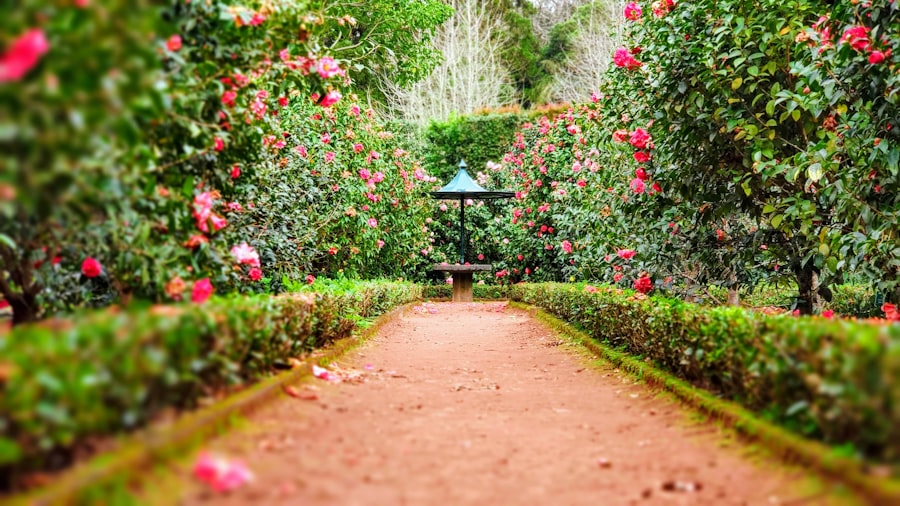
Utilizing landscaping services to enhance human health and well-being is an investment in both your physical environment and your overall quality of life. Research has shown that exposure to nature can lead to numerous health benefits, including reduced stress levels, improved mood, and increased physical activity. When you work with landscaping professionals, you can create spaces that prioritize these health benefits by incorporating elements designed specifically for well-being.
For instance, landscaping services can help you design therapeutic gardens that cater to various senses—incorporating fragrant plants, textured surfaces, and soothing water features. These gardens can serve as peaceful retreats where you can escape from daily stressors and reconnect with nature. Additionally, landscaping services can assist in creating outdoor spaces that encourage physical activity, such as walking paths or exercise areas surrounded by greenery.
By prioritizing health-focused design elements, you can cultivate an environment that nurtures both body and mind.
The Importance of Biodiversity and Ecological Connectivity in Landscape Design
Biodiversity and ecological connectivity are fundamental principles in biophilic landscape design. You may recognize that healthy ecosystems rely on a diverse array of plant and animal species working together in harmony. By incorporating native plants into your landscape, you can support local wildlife while creating a vibrant environment that reflects the natural beauty of your region.
This approach not only enhances aesthetic appeal but also contributes to ecological resilience. Ecological connectivity refers to the ability of wildlife to move freely between habitats without barriers. When designing landscapes, consider how your space interacts with surrounding ecosystems.
Landscaping services can help you create corridors or stepping stones—such as native plant gardens or green roofs—that facilitate wildlife movement. By prioritizing biodiversity and connectivity in your landscape design, you contribute to the overall health of local ecosystems while enriching your own experience of nature.
Integrating Biophilic Design into Urban Landscapes with the Help of Landscaping Services
Integrating biophilic design into urban landscapes presents unique challenges but also exciting opportunities for transformation. As cities continue to grow, it becomes increasingly important to incorporate natural elements into urban environments to enhance livability and well-being. You may envision urban parks filled with native plants, green roofs adorned with gardens, or streets lined with trees that provide shade and beauty amidst concrete structures.
Landscaping services play a crucial role in this integration process by offering innovative solutions tailored to urban settings. They can help identify underutilized spaces—such as rooftops or vacant lots—and transform them into green oases that promote biodiversity and community engagement. Additionally, landscaping professionals can work with city planners to ensure that biophilic principles are incorporated into new developments, creating cohesive urban environments that prioritize nature alongside infrastructure.
The Role of Landscaping Services in Creating Sustainable and Resilient Landscapes
The role of landscaping services in creating sustainable and resilient landscapes cannot be overlooked. As climate change continues to impact our environment, it is essential to design landscapes that are adaptable and capable of thriving under changing conditions. You may want to consider how landscaping professionals can help you select drought-resistant plants or implement rainwater harvesting systems that reduce water consumption.
Sustainable landscaping practices also involve using eco-friendly materials and minimizing chemical inputs. Landscaping services can guide you in choosing organic fertilizers or pest control methods that protect both your garden and the surrounding ecosystem. By prioritizing sustainability in your landscape design, you contribute to environmental conservation while creating a beautiful space that reflects your values.
Case Studies: Successful Implementation of Biophilic Design by Landscaping Services
Examining case studies of successful biophilic design implementation by landscaping services can provide valuable insights into best practices and innovative approaches. For instance, consider a community park revitalization project where landscaping professionals transformed an underutilized area into a vibrant green space filled with native plants, walking trails, and interactive play areas for children. This project not only enhanced community engagement but also fostered biodiversity by attracting local wildlife.
Another example might involve a corporate campus redesign where landscaping services integrated biophilic principles into outdoor workspaces. By incorporating green roofs, living walls, and shaded seating areas surrounded by lush vegetation, employees experienced increased productivity and well-being while enjoying their connection to nature throughout their workday. These case studies illustrate how effective collaboration between landscaping services and clients can lead to transformative outcomes that benefit both individuals and communities.
The Future of Biophilic Design and the Role of Landscaping Services
As we look toward the future of biophilic design, it is clear that landscaping services will play an essential role in shaping our environments for generations to come. The growing recognition of the importance of nature in our lives has sparked a movement toward integrating biophilic principles into all aspects of design—from residential gardens to urban parks and commercial spaces. You may find yourself increasingly drawn to landscapes that prioritize connection with nature as society continues to embrace these values.
The collaboration between clients like yourself and landscaping professionals will be crucial in realizing this vision for the future. By working together to create spaces that reflect biophilic principles—fostering well-being, promoting biodiversity, and enhancing ecological connectivity—you contribute to a healthier planet while enriching your own life experience. As we move forward, let us embrace the potential of biophilic design to transform our landscapes into thriving ecosystems where both people and nature flourish together.
Landscaping services play a crucial role in incorporating principles of biophilic design and connecting people with nature. One important aspect of this is tree planting and transplanting, as discussed in this article. Trees not only add beauty to a landscape but also provide numerous environmental benefits. Additionally, energy-efficient lighting, as highlighted in this article, can enhance the overall design while reducing energy consumption. Understanding the cost of landscaping services, as outlined in this article, is also important for creating sustainable and budget-friendly outdoor spaces that promote biophilic design principles.
FAQs
What is biophilic design?
Biophilic design is an approach to design that incorporates elements of nature to create a connection between people and the natural environment. It aims to improve human well-being and productivity by integrating natural elements, such as plants, natural light, and water, into the built environment.
What are the principles of biophilic design?
The principles of biophilic design include incorporating natural elements, providing access to natural light and views, creating opportunities for sensory experiences, and fostering a connection to nature through the use of natural materials and patterns.
What is the role of landscaping services in biophilic design?
Landscaping services play a crucial role in biophilic design by incorporating natural elements, such as plants, trees, and water features, into the landscape. They also help create outdoor spaces that provide opportunities for people to connect with nature and experience the benefits of biophilic design.
How do landscaping services connect people with nature through biophilic design?
Landscaping services connect people with nature through biophilic design by creating outdoor spaces that mimic natural environments, providing opportunities for sensory experiences, and incorporating elements that evoke a sense of nature, such as natural materials and patterns.
What are some examples of biophilic design elements in landscaping?
Examples of biophilic design elements in landscaping include incorporating native plants, creating naturalistic water features, using natural materials like wood and stone, and designing outdoor spaces that provide opportunities for relaxation and contemplation in nature.