
As you step outside, take a moment to appreciate the greenery that surrounds you. Landscaping plays a crucial role in shaping not only the aesthetic appeal of your environment but also the quality of the air you breathe. Plants, trees, and shrubs act as natural air filters, absorbing carbon dioxide and releasing oxygen through the process of photosynthesis.
This fundamental interaction between vegetation and air quality is vital for maintaining a healthy ecosystem. By understanding how landscaping influences air quality, you can make informed decisions about your outdoor spaces that benefit both your health and the environment. Moreover, landscaping can mitigate air pollution by trapping dust, pollen, and other particulate matter.
Trees and shrubs create a physical barrier that reduces the amount of airborne pollutants reaching your home or workplace. The leaves of these plants can capture harmful substances, effectively cleansing the air around you. As urban areas continue to expand, the importance of incorporating greenery into your surroundings becomes even more pronounced.
By recognizing the impact of landscaping on air quality, you can appreciate the value of investing in green spaces that contribute to a healthier atmosphere.
Key Takeaways
- Landscaping can have a significant impact on air quality, both positively and negatively.
- Landscaping services play a crucial role in improving air quality by implementing sustainable practices and using air-purifying plants.
- Choosing air-purifying plants for landscaping can help to filter out pollutants and improve air quality in outdoor spaces.
- Sustainable landscaping practices, such as water conservation and natural pest control, can contribute to better air quality.
- Proper irrigation is essential for managing air quality in landscaping, as overwatering can lead to mold and other air pollutants.
The Role of Landscaping Services in Improving Air Quality
Expert Knowledge of Local Flora and Environmental Conditions
Their knowledge of local flora and environmental conditions allows them to recommend species that thrive in your area while providing optimal air quality benefits. Additionally, landscaping services can implement strategies to maintain and care for your green spaces.
Proper Maintenance for Healthy Plants
Regular maintenance ensures that plants remain healthy and effective at filtering pollutants. This includes proper pruning, watering, and fertilization techniques that promote robust growth.
Creating a Cleaner Environment
By collaborating with landscaping professionals, you can create an environment that actively contributes to cleaner air while enhancing your property’s overall appeal.
Choosing Air-Purifying Plants for Landscaping
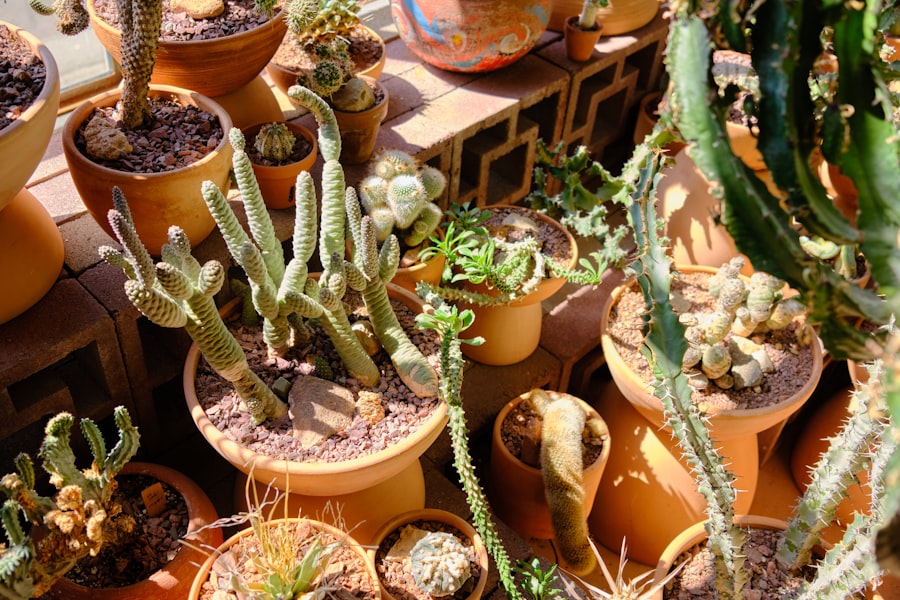
Selecting the right plants for your landscape is essential for maximizing air quality benefits. Certain species are particularly effective at filtering out harmful toxins and improving overall air purity. For instance, you might consider incorporating plants like spider plants, peace lilies, or snake plants into your garden.
These varieties are known for their ability to absorb common indoor pollutants such as formaldehyde and benzene. By choosing air-purifying plants, you can create a healthier environment for yourself and your family. In addition to their air-cleaning properties, many of these plants are also visually appealing and easy to care for.
You can create a diverse landscape that not only enhances your outdoor space but also contributes positively to your health. When selecting plants, consider factors such as sunlight exposure, soil type, and climate conditions to ensure they thrive in your specific environment. By making informed choices about the plants you incorporate into your landscaping, you can significantly improve air quality while enjoying the beauty of nature.
Incorporating Sustainable Landscaping Practices for Air Quality
Sustainable landscaping practices are essential for promoting long-term air quality improvements. As you plan your outdoor spaces, consider implementing techniques that minimize environmental impact while maximizing benefits. For example, using native plants in your landscaping can reduce water consumption and eliminate the need for chemical fertilizers and pesticides.
Native species are adapted to local conditions, making them more resilient and easier to maintain. Another sustainable practice is the use of organic mulch in your garden beds. Mulch helps retain moisture in the soil, reducing the need for frequent watering while also suppressing weeds that compete with your plants for nutrients.
By adopting these sustainable practices, you not only enhance the health of your landscape but also contribute to cleaner air by reducing runoff and pollution associated with traditional landscaping methods.
Addressing Concerns About Pesticide Use in Landscaping
While landscaping can significantly improve air quality, it’s essential to address concerns regarding pesticide use. Many conventional pesticides contain harmful chemicals that can negatively impact both human health and the environment. As you consider landscaping options, it’s crucial to weigh the benefits against potential risks associated with chemical treatments.
Opting for organic or natural pest control methods can help mitigate these concerns while still protecting your plants from pests. Integrated Pest Management (IPM) is another approach worth considering. This strategy focuses on preventing pest problems through a combination of biological control, habitat manipulation, and cultural practices rather than relying solely on chemical solutions.
By adopting IPM techniques, you can maintain a healthy landscape without compromising air quality or contributing to pollution.
The Importance of Proper Irrigation in Air Quality Management

Efficient Irrigation Systems
Implementing efficient irrigation systems, such as drip irrigation or rainwater harvesting, can help manage water usage while ensuring that your plants receive adequate moisture. These systems not only conserve water but also promote healthier plant growth, which in turn enhances their air-purifying capabilities.
Plant Health and Air Quality
By prioritizing proper irrigation practices in your landscaping efforts, you can support both plant health and improved air quality. Healthy plants are better equipped to filter air pollutants, contributing to a cleaner and improved air quality.
Conservation and Sustainability
Proper irrigation practices not only benefit air quality but also promote water conservation and sustainability. By using efficient irrigation systems and avoiding overwatering, you can reduce your water consumption and contribute to a more sustainable future.
Creating Green Spaces for Air Quality Improvement
Creating green spaces within urban environments is vital for improving air quality on a larger scale. Parks, community gardens, and green roofs serve as essential lungs for cities, absorbing pollutants and providing oxygen to residents. As you consider landscaping options for your property or community, think about how you can contribute to these larger green initiatives.
Incorporating green spaces into urban planning not only enhances aesthetics but also promotes mental well-being among residents. Studies have shown that access to green areas can reduce stress levels and improve overall health outcomes. By advocating for more green spaces in your community, you can play a part in fostering an environment that prioritizes clean air and promotes a healthier lifestyle.
Education and Awareness in Landscaping Services
Education and awareness are crucial components of effective landscaping services focused on improving air quality. As a homeowner or community member, understanding the benefits of landscaping choices empowers you to make informed decisions about your outdoor spaces. Landscaping professionals should prioritize educating their clients about the importance of selecting appropriate plants and sustainable practices that enhance air quality.
Workshops, informational sessions, and community outreach programs can help raise awareness about the impact of landscaping on air quality. By engaging with local residents and sharing knowledge about effective landscaping techniques, professionals can foster a culture of environmental stewardship within communities. This collective effort can lead to significant improvements in air quality over time.
Collaborating with Environmental Agencies for Air Quality Monitoring
Collaboration with environmental agencies is essential for effective air quality monitoring and improvement through landscaping efforts. By partnering with local organizations focused on environmental health, you can gain access to valuable resources and expertise that enhance your landscaping initiatives. These partnerships can provide insights into local air quality issues and help identify specific strategies for improvement.
Additionally, working with environmental agencies allows you to stay informed about regulations and best practices related to landscaping and air quality management. This collaboration ensures that your efforts align with broader environmental goals while maximizing the positive impact of your landscaping choices on air quality.
Integrating Air Quality Considerations in Landscape Design
When designing landscapes, integrating air quality considerations from the outset is crucial for achieving optimal results. As you plan your outdoor spaces, think about how plant selection, layout design, and maintenance practices will influence air quality over time. For instance, strategically placing trees near high-traffic areas can help reduce vehicle emissions’ impact by acting as natural barriers.
Moreover, incorporating features such as permeable paving or rain gardens can enhance water management while supporting plant health. These design elements contribute to improved air quality by reducing runoff and promoting healthier vegetation growth. By prioritizing air quality considerations in landscape design, you create spaces that benefit both people and the environment.
The Future of Air Quality-Focused Landscaping Services
As awareness of environmental issues continues to grow, the future of landscaping services will increasingly focus on air quality improvement. You may find that more landscaping companies prioritize sustainable practices and offer specialized services aimed at enhancing air purity in urban areas. This shift reflects a broader commitment to environmental stewardship and public health.
In this evolving landscape industry, innovative technologies such as smart irrigation systems and eco-friendly pest control methods will likely become standard practices. As a consumer, you will have access to a wider range of options that prioritize both aesthetics and environmental health. By embracing these advancements in landscaping services, you can contribute to a future where clean air is a fundamental aspect of our outdoor environments.
In conclusion, understanding the multifaceted relationship between landscaping and air quality empowers you to make informed choices about your outdoor spaces. By collaborating with professionals, selecting appropriate plants, adopting sustainable practices, and advocating for green initiatives, you play an active role in improving both personal health and environmental well-being. The future of landscaping services holds great promise for creating healthier communities through enhanced air quality management.
Landscaping services play a crucial role in addressing concerns about the impact of landscaping on air quality and promoting the use of air-purifying plants. In a related article on thelandscapingservice.com, experts discuss the importance of incorporating air-purifying plants into landscaping designs to improve air quality and create a healthier environment. By choosing the right plants and implementing sustainable landscaping practices, landscaping services can help mitigate the negative effects of landscaping on air quality and contribute to a greener, cleaner future.
FAQs
What are the concerns about the impact of landscaping on air quality?
Landscaping can have a significant impact on air quality through the use of certain plants, fertilizers, and pesticides that release volatile organic compounds (VOCs) into the air. Additionally, the use of gas-powered lawn equipment can contribute to air pollution.
How do landscaping services address concerns about the impact of landscaping on air quality?
Landscaping services can address concerns about the impact of landscaping on air quality by using environmentally friendly practices, such as choosing low-emission equipment, using organic fertilizers and pesticides, and selecting air-purifying plants that can help improve air quality.
What are air-purifying plants and how do they help improve air quality?
Air-purifying plants are plants that have the ability to remove pollutants from the air through a process called phytoremediation. These plants can help improve air quality by absorbing harmful gases and VOCs, and releasing oxygen into the atmosphere.
How do landscaping services incorporate air-purifying plants into their designs?
Landscaping services can incorporate air-purifying plants into their designs by selecting and strategically placing these plants in outdoor spaces to maximize their air-purifying benefits. They can also provide guidance on the care and maintenance of these plants to ensure their effectiveness in improving air quality.