
Inclusive landscaping is not merely a trend; it is a vital approach that recognizes the diverse needs of all individuals, regardless of their physical abilities. As you delve into the world of landscaping, you may begin to appreciate how inclusive design can transform outdoor spaces into environments that welcome everyone. This approach ensures that parks, gardens, and public areas are accessible and enjoyable for people with disabilities, the elderly, and families with young children.
By prioritizing inclusivity, you contribute to a more equitable society where everyone can experience the benefits of nature and outdoor activities. Moreover, inclusive landscaping fosters a sense of community and belonging. When you create spaces that cater to various needs, you encourage social interaction and engagement among different groups.
This not only enhances the quality of life for individuals but also strengthens community ties. As you consider your landscaping projects, think about how your designs can promote inclusivity and accessibility, allowing everyone to enjoy the beauty and serenity of nature without barriers.
Key Takeaways
- Inclusive landscaping is important for creating accessible and welcoming outdoor spaces for individuals with disabilities.
- Designing accessible pathways and entrances is crucial for ensuring that everyone can navigate the outdoor environment safely and comfortably.
- Sensory gardens can provide therapeutic benefits for individuals with disabilities, offering a multi-sensory experience that enhances their outdoor enjoyment.
- Restful and safe outdoor spaces are essential for individuals with disabilities to relax and engage with nature without barriers or hazards.
- Implementing universal design principles in landscaping ensures that outdoor spaces are accessible to everyone, regardless of their abilities.
Designing Accessible Pathways and Entrances
When you embark on designing accessible pathways and entrances, it is essential to prioritize smooth transitions and clear navigation. You should consider materials that provide a stable surface for all users, including those who may rely on wheelchairs or mobility aids. Paved paths with gentle slopes and minimal obstacles will ensure that everyone can traverse the landscape with ease.
Additionally, incorporating tactile indicators can help visually impaired individuals navigate the space confidently. In your designs, think about the placement of entrances as well. They should be easily identifiable and free from obstructions.
You might want to include wide doorways and ramps that comply with accessibility standards. By focusing on these elements, you create an inviting atmosphere that encourages people to explore and enjoy the outdoor environment without feeling hindered by physical barriers.
Incorporating Sensory Gardens for Individuals with Disabilities
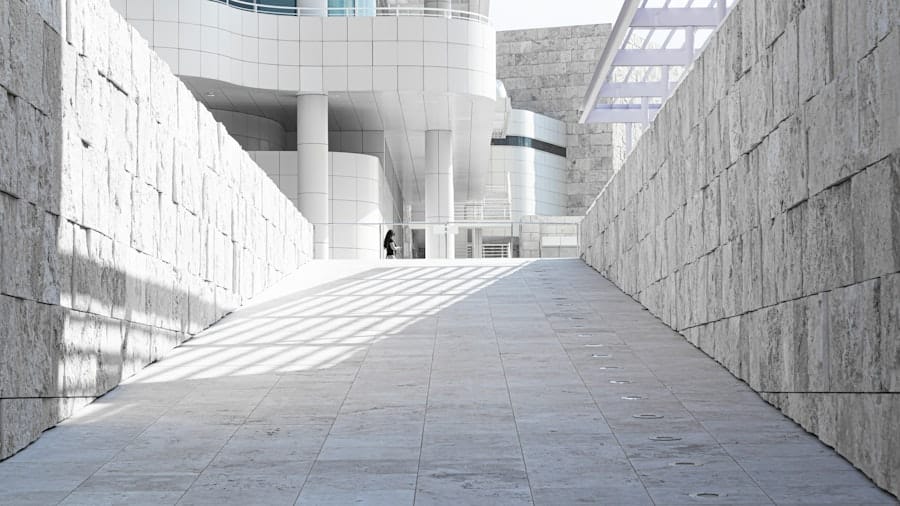
Sensory gardens are a wonderful way to engage individuals with disabilities by stimulating their senses through various elements such as plants, textures, sounds, and scents. As you design these gardens, consider incorporating a diverse range of plants that appeal to touch, smell, and sight. For instance, you might choose fragrant herbs like lavender or mint, which can evoke pleasant memories and feelings.
Textured plants such as lamb’s ear or ornamental grasses can provide tactile experiences that invite exploration. In addition to plant selection, think about integrating features like water elements or wind chimes that create soothing sounds. These auditory components can enhance the sensory experience for individuals with visual impairments or those who benefit from calming sounds.
By creating a sensory garden, you not only provide an enriching environment for individuals with disabilities but also foster a deeper connection to nature for all visitors.
Creating Restful and Safe Outdoor Spaces
Creating restful and safe outdoor spaces is crucial for promoting relaxation and well-being among all users. As you design these areas, consider incorporating elements such as shaded seating areas, soft landscaping, and calming water features. You might choose to use natural materials that blend harmoniously with the surroundings while providing comfort and safety.
For instance, benches with armrests can assist individuals in sitting down and getting up more easily. Safety should also be a top priority in your designs. Ensure that pathways are well-maintained and free from hazards such as uneven surfaces or overgrown vegetation.
You may want to include clear signage that guides visitors through the space while also indicating emergency exits or first aid stations. By focusing on safety and comfort, you create an inviting atmosphere where individuals can unwind and enjoy their surroundings without worry.
Implementing Universal Design Principles in Landscaping
Universal design principles are essential in creating landscapes that accommodate everyone, regardless of their abilities. As you explore these principles, consider how they can be applied to your landscaping projects. One key aspect is flexibility; your designs should allow for various uses and adaptations based on individual needs.
For example, creating multi-functional spaces that can host events or serve as quiet retreats ensures that everyone can find their niche within the landscape. Another important principle is simplicity; your designs should be intuitive and easy to navigate. This means minimizing complex layouts and ensuring that pathways are straightforward and well-marked.
By implementing universal design principles, you not only enhance accessibility but also create environments that are enjoyable for all users, fostering a sense of belonging within the community.
Providing Accessible Seating and Rest Areas
Seating Options for Diverse Needs
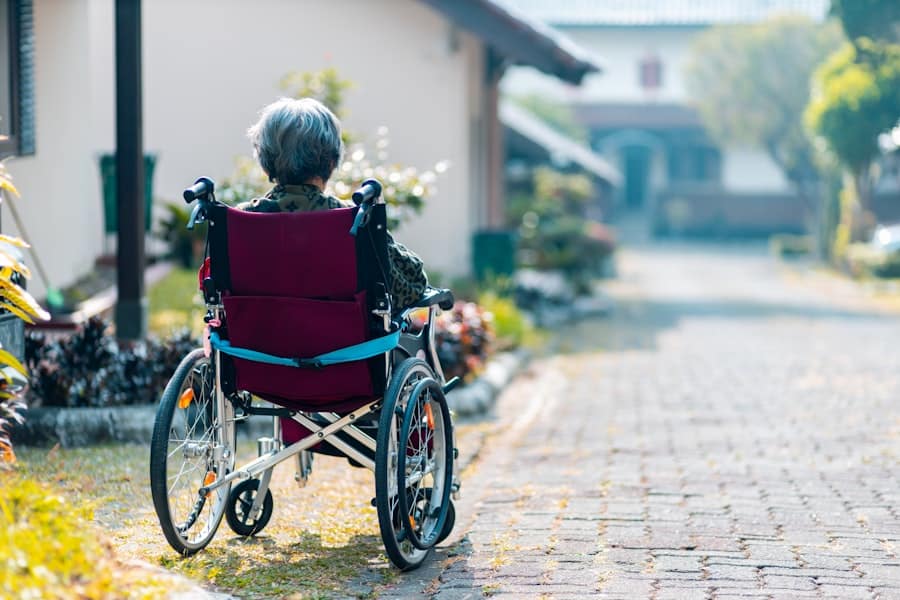
You should aim to provide seating options at different heights and styles to accommodate diverse preferences. For instance, benches with back support and armrests can make it easier for individuals to sit down and stand up.
Strategic Placement of Rest Areas
In addition to seating, think about the placement of rest areas throughout the landscape. Strategically positioned benches or shaded spots can offer respite for those who may tire easily or need a moment to recharge.
Creating an Inclusive Outdoor Environment
By ensuring that these areas are accessible and comfortable, you create an environment where everyone can enjoy the outdoors without feeling fatigued or overwhelmed.
Utilizing Assistive Technology in Landscaping
Incorporating assistive technology into landscaping can significantly enhance accessibility for individuals with disabilities. As you explore this avenue, consider how technology can be integrated seamlessly into outdoor spaces. For example, you might implement smart benches equipped with charging stations for mobility devices or smartphones, allowing users to stay connected while enjoying nature.
Additionally, consider using apps or devices that provide information about the landscape’s features or layout. These tools can assist individuals with visual impairments in navigating the space more effectively. By embracing assistive technology in your landscaping projects, you not only improve accessibility but also create a more engaging experience for all visitors.
Ensuring Proper Lighting and Wayfinding for Accessibility
Proper lighting is essential in creating safe and accessible outdoor spaces. As you design your landscape, think about how lighting can enhance visibility while also contributing to the overall ambiance. You should aim for well-lit pathways and entrances that guide users safely through the area during both day and night.
Consider using solar-powered lights or LED fixtures that are energy-efficient while providing adequate illumination. Wayfinding is another critical aspect of accessibility in landscaping. Clear signage with large print and braille can help individuals navigate the space confidently.
You might also incorporate tactile maps or interactive kiosks that provide information about the landscape’s features and layout. By ensuring proper lighting and effective wayfinding strategies, you create an environment where everyone feels secure and empowered to explore.
Incorporating Therapeutic Landscaping Elements
Therapeutic landscaping elements can play a significant role in promoting mental health and well-being among users of all abilities. As you design these spaces, consider incorporating features such as calming water elements, fragrant plants, or quiet nooks for reflection. These elements can create a soothing atmosphere that encourages relaxation and mindfulness.
You might also explore the benefits of incorporating physical activity opportunities within therapeutic landscapes. Walking paths or gentle slopes can encourage movement while still being accessible to individuals with varying abilities. By integrating therapeutic landscaping elements into your designs, you contribute to a holistic approach that nurtures both physical and mental health for all visitors.
Collaborating with Accessibility Experts and Organizations
Collaboration with accessibility experts and organizations is crucial in creating truly inclusive landscapes. As you embark on your projects, consider reaching out to professionals who specialize in accessibility design or advocacy groups focused on disability rights. Their insights can provide valuable guidance on best practices and innovative solutions tailored to your specific landscape.
Engaging with these experts not only enhances your understanding of accessibility but also fosters community relationships. By working together, you can create spaces that genuinely reflect the needs of all users while promoting awareness about the importance of inclusive design within your community.
Promoting Community Engagement and Education on Inclusive Landscaping
Promoting community engagement and education on inclusive landscaping is essential for fostering awareness and support for these initiatives. As you develop your projects, consider hosting workshops or informational sessions where community members can learn about the principles of inclusive design and its benefits. This engagement not only empowers individuals but also encourages them to advocate for accessible spaces within their neighborhoods.
Additionally, consider collaborating with local schools or organizations to create educational programs focused on inclusive landscaping practices. By involving community members in the design process or offering volunteer opportunities for maintenance, you cultivate a sense of ownership and pride in these spaces. Ultimately, promoting community engagement ensures that inclusive landscaping becomes a shared value that enriches everyone’s experience in outdoor environments.
In conclusion, inclusive landscaping is an essential approach that enhances accessibility for all individuals while fostering community connections. By understanding its importance and implementing thoughtful design principles, you can create outdoor spaces that welcome everyone—regardless of their abilities—into nature’s embrace.
Landscaping services play a crucial role in creating inclusive and accessible landscapes for individuals with disabilities. By incorporating features such as ramps, wide pathways, and sensory gardens, these professionals can ensure that everyone can enjoy outdoor spaces. For more information on how landscaping services can enhance the health and vitality of trees in these inclusive landscapes, check out this article on tree health and disease management. Additionally, if you are in Jersey City, New Jersey, or Milwaukee, Wisconsin, you can rely on landscaping services in Jersey City or Milwaukee to help create inclusive and accessible outdoor spaces for individuals with disabilities.
FAQs
What is the role of landscaping services in creating inclusive and accessible landscapes for individuals with disabilities?
Landscaping services play a crucial role in creating inclusive and accessible landscapes for individuals with disabilities by implementing design elements that accommodate various physical and sensory needs.
What are some examples of inclusive and accessible design elements in landscaping?
Examples of inclusive and accessible design elements in landscaping include ramps and pathways with gentle slopes, tactile paving for individuals with visual impairments, raised garden beds for wheelchair users, and sensory gardens for individuals with cognitive disabilities.
How do landscaping services ensure that landscapes are inclusive and accessible to individuals with disabilities?
Landscaping services ensure that landscapes are inclusive and accessible to individuals with disabilities by following guidelines such as the Americans with Disabilities Act (ADA) standards, conducting site assessments to identify barriers, and collaborating with accessibility experts to incorporate universal design principles.
Why is it important for landscapes to be inclusive and accessible to individuals with disabilities?
It is important for landscapes to be inclusive and accessible to individuals with disabilities to promote equal access to outdoor spaces, enhance quality of life, and foster a sense of belonging and community for all individuals.