
In today’s world, where environmental consciousness is on the rise, the importance of non-toxic and organic fertilizers and soil amendments cannot be overstated. You may find yourself increasingly aware of the impact that your gardening and landscaping choices have on the environment. Non-toxic and organic options not only promote healthier plant growth but also contribute to a more sustainable ecosystem.
By choosing these alternatives, you are making a conscious decision to protect the soil, water, and air quality in your surroundings. This choice reflects a commitment to preserving the planet for future generations. Moreover, non-toxic and organic fertilizers and soil amendments enhance soil health by improving its structure and nutrient content.
You might be surprised to learn that healthy soil is the foundation of a thriving garden or landscape. Organic materials, such as compost and well-rotted manure, enrich the soil with essential nutrients while fostering beneficial microbial activity. This creates a balanced ecosystem that supports plant growth without the harmful side effects associated with synthetic fertilizers.
By prioritizing non-toxic options, you are not only nurturing your plants but also contributing to a more resilient environment.
Key Takeaways
- Non-toxic and organic fertilizers and soil amendments are important for sustainable landscaping practices.
- Conventional fertilizers and soil amendments have a negative environmental impact, making non-toxic and organic alternatives more desirable.
- Using non-toxic and organic fertilizers and soil amendments in landscaping provides numerous benefits, including improved soil health and reduced chemical runoff.
- Landscaping services can source non-toxic and organic fertilizers and soil amendments from suppliers and manufacturers committed to quality and sustainability.
- Educating clients about the benefits of non-toxic and organic fertilizers and soil amendments is crucial for promoting sustainable landscaping practices.
Understanding the Environmental Impact of Conventional Fertilizers and Soil Amendments
The Consequences of Water Pollution
When conventional fertilizers are applied, excess nutrients can leach into waterways, leading to algal blooms that deplete oxygen levels and harm aquatic life. This chain reaction can disrupt entire ecosystems, making it essential for you to consider the broader implications of your choices.
The Devastating Effects on Soil Health
Additionally, conventional fertilizers can contribute to soil acidification and nutrient imbalances over time. You might not realize that these products can strip the soil of its natural fertility, leading to a reliance on chemical inputs for continued plant health. This cycle can create a vicious loop where the soil becomes less capable of supporting healthy plant life without constant intervention.
Making Informed Decisions for a Sustainable Future
By understanding these impacts, you are better equipped to make informed decisions about your landscaping practices and their long-term effects on the environment.
Benefits of Using Non-toxic and Organic Fertilizers and Soil Amendments in Landscaping

When you choose non-toxic and organic fertilizers and soil amendments for your landscaping projects, you open the door to a multitude of benefits that extend beyond just plant health. One of the most significant advantages is the enhancement of soil structure and fertility. Organic materials improve aeration, drainage, and moisture retention in the soil, creating an ideal environment for root development.
As you incorporate these amendments into your landscaping plans, you will likely notice healthier plants that are more resilient to pests and diseases. Furthermore, using non-toxic options aligns with a growing trend toward sustainability in landscaping. You may find that clients appreciate your commitment to environmentally friendly practices, which can set you apart in a competitive market.
By promoting organic methods, you not only contribute to a healthier planet but also foster a sense of community among like-minded individuals who value sustainable living. This connection can lead to increased customer loyalty and positive word-of-mouth referrals as clients share their satisfaction with your eco-conscious approach.
How Landscaping Services Source Non-toxic and Organic Fertilizers and Soil Amendments
As a landscaping professional, sourcing non-toxic and organic fertilizers and soil amendments is an essential part of your practice. You may begin by establishing relationships with reputable suppliers who specialize in organic products. These suppliers often provide a range of options, from compost and mulch to natural fertilizers derived from plant or animal sources.
By working closely with these vendors, you can ensure that the materials you use meet high-quality standards while also being environmentally friendly. In addition to local suppliers, you might explore online resources that offer organic gardening products. Many companies now focus on sustainable practices and provide detailed information about their sourcing methods.
As you research these options, pay attention to certifications such as USDA Organic or OMRI Listed, which indicate that the products meet specific organic standards. By being diligent in your sourcing efforts, you can confidently provide your clients with effective non-toxic solutions that align with their values.
Incorporating Non-toxic and Organic Fertilizers and Soil Amendments into Landscaping Plans
Incorporating non-toxic and organic fertilizers and soil amendments into your landscaping plans requires thoughtful consideration of each project’s unique needs. You may start by conducting a soil test to determine its current nutrient levels and pH balance. This information will guide you in selecting the appropriate organic amendments to enhance soil fertility effectively.
For instance, if your soil is low in nitrogen, you might choose to add composted manure or blood meal as a natural fertilizer. As you develop your landscaping designs, consider how different plants will benefit from specific organic inputs. You may find that certain plants thrive with particular amendments, while others may require different nutrients altogether.
By tailoring your approach to each plant’s needs, you can create a vibrant landscape that flourishes without relying on synthetic chemicals. This personalized strategy not only enhances plant health but also showcases your expertise as a knowledgeable landscaping professional committed to sustainable practices.
Educating Clients About the Benefits of Non-toxic and Organic Fertilizers and Soil Amendments
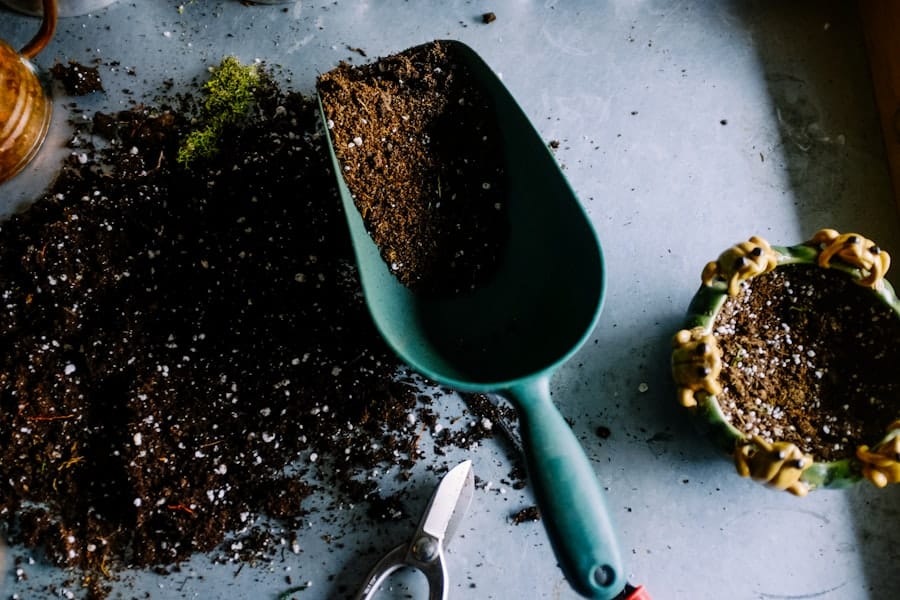
Educating your clients about the benefits of non-toxic and organic fertilizers and soil amendments is an essential aspect of your role as a landscaping professional. Many clients may be unaware of the advantages these products offer compared to conventional options. You can take the opportunity to explain how organic fertilizers improve soil health over time, leading to more resilient plants that require less maintenance.
By sharing this knowledge, you empower clients to make informed decisions about their landscaping choices. Additionally, consider providing resources such as brochures or links to reputable websites that detail the benefits of organic gardening practices. You might also host workshops or informational sessions where clients can learn about sustainable landscaping techniques firsthand.
By fostering an open dialogue about non-toxic options, you create an environment where clients feel comfortable asking questions and expressing their concerns. This engagement not only builds trust but also positions you as a leader in sustainable landscaping practices within your community.
Addressing Concerns About the Effectiveness of Non-toxic and Organic Fertilizers and Soil Amendments
While many clients are eager to embrace non-toxic and organic fertilizers and soil amendments, some may express concerns about their effectiveness compared to conventional products. It is crucial for you to address these concerns with factual information and real-world examples. You might explain that while organic fertilizers often release nutrients more slowly than synthetic options, this gradual process can lead to healthier plants in the long run.
The slow release allows plants to absorb nutrients more efficiently without the risk of nutrient burn. You can also share success stories from previous projects where non-toxic methods yielded impressive results. By showcasing thriving gardens or landscapes that have benefited from organic practices, you provide tangible evidence that these alternatives can be just as effective as conventional fertilizers.
Additionally, encourage clients to be patient as they transition to organic methods; it may take time for soil health to improve fully, but the long-term benefits will be worth the wait.
Monitoring and Evaluating the Impact of Non-toxic and Organic Fertilizers and Soil Amendments
Monitoring and evaluating the impact of non-toxic and organic fertilizers and soil amendments is essential for ensuring their effectiveness in your landscaping projects. You may establish a system for tracking plant growth, soil health, and overall landscape performance over time. Regular assessments will allow you to identify any areas that may require adjustments or additional amendments based on observed results.
Consider implementing a feedback loop with your clients as well; encourage them to share their observations about plant health and landscape aesthetics after using organic products. This collaborative approach not only helps you refine your methods but also fosters a sense of partnership with your clients as they witness firsthand the positive changes resulting from non-toxic practices.
Collaborating with Suppliers and Manufacturers to Ensure the Quality of Non-toxic and Organic Fertilizers and Soil Amendments
Collaboration with suppliers and manufacturers is vital for ensuring the quality of non-toxic and organic fertilizers and soil amendments used in your landscaping projects. You may want to establish strong relationships with trusted vendors who prioritize sustainability in their production processes. By working closely with these suppliers, you can gain insights into their sourcing methods, production standards, and product efficacy.
Additionally, consider participating in industry events or trade shows focused on organic gardening practices. These gatherings provide opportunities for networking with suppliers who share your commitment to sustainability. By staying informed about new products and innovations in organic gardening, you can continually enhance your offerings while ensuring that your clients receive high-quality materials for their landscapes.
Adapting Landscaping Practices to Support the Use of Non-toxic and Organic Fertilizers and Soil Amendments
Adapting your landscaping practices to support the use of non-toxic and organic fertilizers and soil amendments requires a shift in mindset as well as technique. You may need to rethink traditional approaches to pest management, irrigation, and plant selection in order to create an environment conducive to organic practices. For instance, implementing companion planting strategies can help deter pests naturally while promoting biodiversity within your landscape.
Moreover, consider incorporating mulching techniques that retain moisture while suppressing weeds without chemical herbicides. By embracing these holistic practices alongside non-toxic fertilizers, you create a more sustainable landscape that thrives on natural processes rather than synthetic inputs. This comprehensive approach not only benefits your plants but also contributes positively to the surrounding ecosystem.
Promoting Sustainable Landscaping Practices through the Use of Non-toxic and Organic Fertilizers and Soil Amendments
Promoting sustainable landscaping practices through the use of non-toxic and organic fertilizers and soil amendments is an essential part of your mission as a landscaping professional. You have the opportunity to lead by example within your community by showcasing successful projects that prioritize environmental stewardship. As clients see the beauty and health of landscapes nurtured through organic methods, they may be inspired to adopt similar practices in their own gardens.
Consider leveraging social media platforms or local events to share your knowledge about sustainable landscaping techniques with a broader audience. By creating engaging content that highlights the benefits of non-toxic options—such as improved soil health or reduced environmental impact—you can raise awareness about sustainable practices within your community. Your efforts not only contribute to a healthier planet but also position you as an advocate for responsible gardening choices that resonate with environmentally conscious individuals seeking greener alternatives for their landscapes.
In conclusion, embracing non-toxic and organic fertilizers and soil amendments is not just a trend; it is a vital step toward creating healthier landscapes while protecting our environment for future generations. As you navigate this journey in landscaping, remember that every choice you make has an impact—both on your immediate surroundings and on the larger ecosystem at play. By prioritizing sustainability through informed decisions about fertilizers and soil amendments, you are contributing positively to both plant health and environmental well-being.
Landscaping services often face common problems such as soil depletion and nutrient deficiencies, which can be addressed by using non-toxic and organic fertilizers and soil amendments. In a related article on thelandscapingservice.com, experts discuss various landscaping issues and provide solutions that prioritize the use of environmentally friendly products. By incorporating these practices, landscaping services in cities like Newark, New Jersey (thelandscapingservice.com) and Fort Wayne, Indiana (thelandscapingservice.com) can promote sustainable and eco-friendly landscaping practices.
FAQs
What are non-toxic and organic fertilizers and soil amendments?
Non-toxic and organic fertilizers and soil amendments are products that are derived from natural sources and are free from synthetic chemicals and toxins. These products are used to improve soil fertility, promote plant growth, and enhance overall soil health in a sustainable and environmentally friendly manner.
Why are non-toxic and organic fertilizers and soil amendments important in landscaping?
Non-toxic and organic fertilizers and soil amendments are important in landscaping because they help to minimize the negative impact of synthetic chemicals on the environment, water sources, and human health. These products also promote long-term soil health and fertility, leading to healthier and more resilient plants.
How do landscaping services address concerns about the use of non-toxic and organic fertilizers and soil amendments?
Landscaping services address concerns about the use of non-toxic and organic fertilizers and soil amendments by offering sustainable and eco-friendly landscaping practices. This includes using organic and non-toxic products, implementing soil testing and analysis, and following best practices for soil and plant health management.
What are the benefits of using non-toxic and organic fertilizers and soil amendments in landscaping?
The benefits of using non-toxic and organic fertilizers and soil amendments in landscaping include improved soil fertility, reduced environmental impact, healthier plant growth, and a safer and more sustainable landscape for people, pets, and wildlife. These products also contribute to the overall health and balance of the ecosystem.