
Ornamental trees and shrubs are more than just plants; they are essential components of landscape design that can transform your outdoor space into a vibrant and inviting environment. These plants are cultivated primarily for their aesthetic appeal, offering a variety of colors, shapes, and textures that can enhance the beauty of your yard. You may find that ornamental trees provide a stunning focal point, while shrubs can create lush backdrops or define spaces within your garden.
Understanding the characteristics of these plants is crucial for making informed choices that align with your vision for your landscape. When selecting ornamental trees and shrubs, consider their growth habits, seasonal changes, and maintenance requirements. Some trees may bloom with spectacular flowers in spring, while others may showcase brilliant foliage in the fall.
You might also appreciate the unique bark textures or interesting branching patterns that can add visual interest year-round. By familiarizing yourself with the various types of ornamental plants available, you can better appreciate how they can complement your existing landscape and contribute to a cohesive design.
Key Takeaways
- Understanding the different types of ornamental trees and shrubs can help you choose the right ones for your yard.
- When choosing trees and shrubs for your yard, consider factors such as size, shape, and maintenance requirements.
- Creating a design plan for your landscape can help you achieve a cohesive and visually appealing look.
- Proper planting and care are essential for the health and growth of ornamental trees and shrubs.
- Regular maintenance is key to keeping ornamental trees and shrubs healthy and attractive.
Choosing the Right Trees and Shrubs for Your Yard
Selecting the right trees and shrubs for your yard involves careful consideration of several factors, including climate, soil type, and available sunlight. You should assess your local environment to determine which species will thrive in your specific conditions. For instance, if you live in a region with harsh winters, you may want to choose cold-hardy varieties that can withstand freezing temperatures.
Conversely, if you reside in a warmer climate, opt for heat-tolerant plants that can endure prolonged periods of sun exposure. In addition to environmental factors, think about the size and scale of the trees and shrubs you wish to incorporate into your landscape. You wouldn’t want to plant a towering tree too close to your home or other structures, as it could lead to potential issues down the line.
Instead, consider how each plant will fit into your overall design and how it will interact with other elements in your yard. By taking the time to choose the right species, you can create a harmonious landscape that enhances both the beauty and functionality of your outdoor space.
Creating a Design Plan for Your Landscape
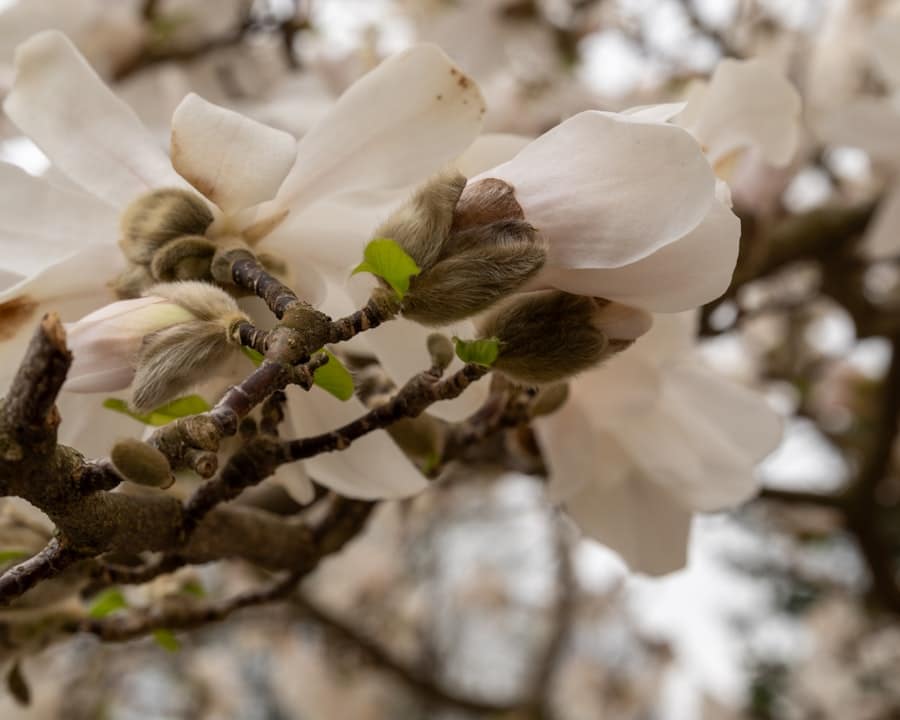
Once you have a clear idea of the types of ornamental trees and shrubs you want to include in your yard, it’s time to create a design plan. This step is crucial for ensuring that your landscape is not only visually appealing but also practical and sustainable. Start by sketching out a rough layout of your yard, marking existing features such as pathways, patios, and structures.
This will help you visualize how the new plants will fit into the overall scheme. As you develop your design plan, consider the principles of balance, proportion, and unity. You might want to group plants with similar growth habits or colors together to create cohesive sections within your landscape.
Additionally, think about layering your plants by placing taller trees in the background and shorter shrubs in the foreground. This technique not only adds depth to your design but also allows each plant to shine without overshadowing its neighbors. By carefully planning your layout, you can create an inviting outdoor space that reflects your personal style.
Planting and Caring for Ornamental Trees and Shrubs
Planting ornamental trees and shrubs requires attention to detail to ensure their successful establishment in your yard. Begin by preparing the planting site, which involves clearing away any debris and loosening the soil to promote healthy root growth. When digging holes for your new plants, make sure they are wide enough to accommodate the root ball without crowding it.
You should also consider the depth of the hole; it should be slightly shallower than the height of the root ball to prevent water from pooling around the base. After planting, proper care is essential for helping your ornamental trees and shrubs thrive. Watering is particularly important during the initial establishment phase; you may need to provide regular moisture until the roots are well-established.
Additionally, consider applying mulch around the base of each plant to retain soil moisture and suppress weeds. As you nurture your new additions, keep an eye out for any signs of stress or disease, as early intervention can make a significant difference in their long-term health.
Maintaining Healthy Growth and Appearance
Maintaining healthy growth and appearance in your ornamental trees and shrubs involves regular monitoring and care throughout the seasons. You should establish a routine that includes watering, fertilizing, and mulching as needed. Depending on the specific needs of each plant species, you may need to adjust your care regimen accordingly.
For instance, some plants may benefit from a slow-release fertilizer in early spring to support new growth, while others may require less frequent feeding. In addition to routine care, be vigilant about observing any changes in your plants’ health. Yellowing leaves or stunted growth could indicate nutrient deficiencies or environmental stressors.
By addressing these issues promptly, you can help ensure that your ornamental trees and shrubs remain vibrant and healthy throughout their lifespan. Regularly inspecting your plants will also allow you to catch any potential problems before they escalate into more significant concerns.
Using Trees and Shrubs for Privacy and Shade
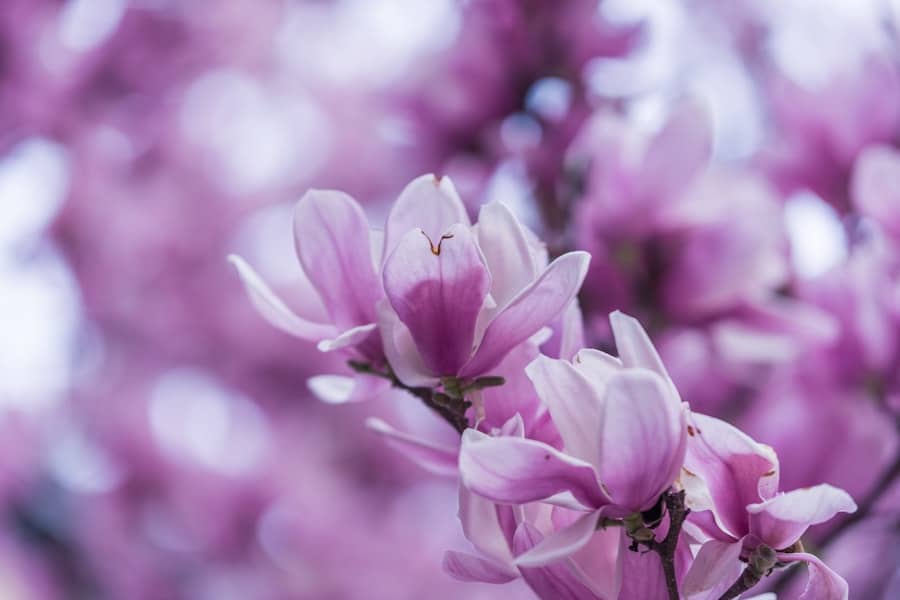
Creating a Secluded Retreat
If you’re looking to create a secluded retreat in your yard, consider planting a row of tall shrubs or trees along property lines or near patios. This natural barrier can help block unwanted views from neighbors while also reducing noise pollution from nearby streets.
Shade and Energy Savings
In addition to privacy, strategically placed trees can offer shade during hot summer months. You might find that planting deciduous trees on the west side of your home can help cool down indoor spaces by blocking harsh afternoon sunlight. This not only enhances comfort but can also lead to energy savings by reducing reliance on air conditioning.
Enhancing Your Outdoor Environment
By thoughtfully incorporating trees and shrubs into your landscape design, you can create a more enjoyable outdoor environment that meets both aesthetic and functional needs.
Incorporating Trees and Shrubs into Your Garden Design
Integrating ornamental trees and shrubs into your garden design can elevate its overall appeal while providing structure and interest throughout the seasons. When planning your garden layout, think about how these plants can complement existing flower beds or hardscape features such as walkways and patios. You might choose to use flowering shrubs as colorful borders or place small ornamental trees as focal points within larger garden areas.
Consider also how different plant heights can create visual layers within your garden design. Taller trees can provide a backdrop for mid-height shrubs, while low-growing ground covers can fill in gaps at the base of larger plants. This layering technique not only adds depth but also encourages biodiversity by creating various habitats for wildlife.
By thoughtfully incorporating trees and shrubs into your garden design, you can create a dynamic landscape that evolves with each season.
Enhancing Curb Appeal with Ornamental Trees and Shrubs
The exterior of your home is often the first impression visitors receive, making curb appeal an essential aspect of property value and aesthetics. Ornamental trees and shrubs play a significant role in enhancing this appeal by framing your home and creating an inviting atmosphere. You might consider planting flowering shrubs near entryways or using small ornamental trees to accentuate architectural features such as windows or doorways.
In addition to their visual impact, well-placed trees and shrubs can also contribute to energy efficiency by providing shade during hot months or acting as windbreaks during colder seasons. This dual benefit not only enhances curb appeal but also promotes sustainability by reducing energy consumption. By investing time in selecting and arranging ornamental trees and shrubs around your home, you can create an attractive landscape that reflects your personal style while increasing property value.
Attracting Wildlife with the Right Trees and Shrubs
Incorporating specific ornamental trees and shrubs into your landscape design can attract various forms of wildlife, enriching your outdoor experience. Birds, butterflies, and beneficial insects are often drawn to native plants that provide food sources such as nectar-rich flowers or berries. By selecting species that are known for their wildlife-friendly attributes, you can create a vibrant ecosystem right in your backyard.
Consider planting flowering shrubs that bloom at different times throughout the growing season to provide continuous food sources for pollinators like bees and butterflies. Additionally, fruit-bearing trees can offer sustenance for birds while adding visual interest to your landscape. By fostering a welcoming environment for wildlife through thoughtful plant selection, you not only enhance the beauty of your yard but also contribute positively to local biodiversity.
Dealing with Common Pests and Diseases
As with any aspect of gardening, dealing with pests and diseases is an inevitable part of caring for ornamental trees and shrubs. You should familiarize yourself with common issues that may affect your chosen species so that you can take proactive measures to protect them. Regular inspections are key; look for signs of infestation such as discolored leaves or unusual webbing on branches.
If you do encounter pests or diseases, there are various management strategies available ranging from organic solutions like neem oil to chemical treatments when necessary. It’s essential to identify the specific problem before taking action; this ensures that you choose an appropriate treatment method while minimizing harm to beneficial insects in your garden. By staying vigilant about pest management, you can maintain the health and beauty of your ornamental trees and shrubs.
Tips for Pruning and Shaping Ornamental Trees and Shrubs
Pruning is an essential practice for maintaining the health and appearance of ornamental trees and shrubs. Regular pruning helps promote healthy growth by removing dead or diseased branches while encouraging new shoots to develop. You should familiarize yourself with the best times to prune different species; some may benefit from pruning during dormancy in late winter or early spring, while others may require summer pruning after flowering.
When shaping your plants through pruning, aim for a balanced form that enhances their natural growth habit rather than forcing them into an unnatural shape. Use sharp tools to make clean cuts that minimize damage to the plant tissue; this promotes faster healing and reduces the risk of disease entry points. By incorporating regular pruning into your maintenance routine, you can ensure that your ornamental trees and shrubs remain healthy while achieving an aesthetically pleasing shape that complements your landscape design.
If you’re considering hiring a landscaping company to help breathe life into your yard with ornamental trees and shrubs, you may have some common concerns. Check out this article on common concerns about hiring a landscaping company to help address any questions you may have. Additionally, if you’re located in Washington, District of Columbia, you may want to explore the landscaping services available in your area by visiting this link. And don’t forget the importance of soil testing and fertilization when it comes to maintaining a healthy landscape – learn more about it here.
FAQs
What are ornamental trees and shrubs?
Ornamental trees and shrubs are plants that are grown for their decorative qualities, such as flowers, foliage, or overall form. They are often used to enhance the visual appeal of a yard or garden.
What are some popular ornamental trees and shrubs?
Some popular ornamental trees and shrubs include flowering cherry trees, Japanese maples, hydrangeas, azaleas, and boxwoods. These plants are chosen for their attractive flowers, foliage, or unique shapes.
How do I choose the right ornamental trees and shrubs for my yard?
When choosing ornamental trees and shrubs, consider factors such as the climate and soil conditions in your area, the amount of sunlight the plants will receive, and the overall aesthetic you want to achieve in your yard.
How do I care for ornamental trees and shrubs?
Caring for ornamental trees and shrubs typically involves regular watering, pruning, and fertilizing. It’s important to follow specific care instructions for each type of plant, as their needs can vary.
Can ornamental trees and shrubs attract wildlife to my yard?
Yes, many ornamental trees and shrubs can attract birds, butterflies, and other wildlife to your yard. Plants that produce flowers, berries, or seeds are especially attractive to wildlife.
Are ornamental trees and shrubs low-maintenance?
The level of maintenance required for ornamental trees and shrubs can vary depending on the specific plant species. Some may require more frequent care, such as regular pruning, while others may be relatively low-maintenance.