
As you embark on the journey of landscaping your garden, you may find yourself drawn to the concept of native plant landscaping. This approach emphasizes the use of plants that are indigenous to your region, promoting a harmonious relationship between your garden and the local ecosystem. By choosing native plants, you not only enhance the beauty of your outdoor space but also contribute to the preservation of local biodiversity.
Native plant landscaping is more than just a trend; it is a sustainable practice that fosters environmental stewardship and encourages a deeper connection with nature. Incorporating native plants into your landscape can transform your garden into a vibrant sanctuary that reflects the natural beauty of your surroundings. You may discover that these plants are well-adapted to your local climate, soil conditions, and wildlife, making them easier to care for than non-native species.
As you delve into the world of native plant landscaping, you will uncover a wealth of knowledge about the flora that thrives in your area, allowing you to create a garden that is not only visually appealing but also ecologically beneficial.
Key Takeaways
- Native plant landscaping promotes biodiversity and supports local ecosystems.
- Using native plants in your garden can reduce water usage and maintenance needs.
- Consider factors such as soil type, sunlight, and climate when choosing native plants for your area.
- Designing a native plant garden involves creating naturalistic arrangements and considering plant heights and bloom times.
- Regular maintenance, such as watering, mulching, and pruning, is essential for the health of native plant landscapes.
The Benefits of Using Native Plants in Your Garden
One of the most compelling reasons to choose native plants for your garden is their ability to thrive in local conditions. These plants have evolved over time to adapt to the specific climate, soil types, and rainfall patterns of your region. As a result, they often require less water, fertilizer, and maintenance compared to non-native species.
By selecting native plants, you can create a low-maintenance garden that conserves resources and reduces your environmental footprint. In addition to their adaptability, native plants play a crucial role in supporting local wildlife. They provide essential food and habitat for various species, including birds, butterflies, and beneficial insects.
By cultivating a garden filled with native flora, you can create a thriving ecosystem that attracts pollinators and other wildlife, enhancing the overall health of your local environment. This interconnectedness fosters biodiversity and helps maintain the delicate balance of nature in your area.
How to Choose the Right Native Plants for Your Area
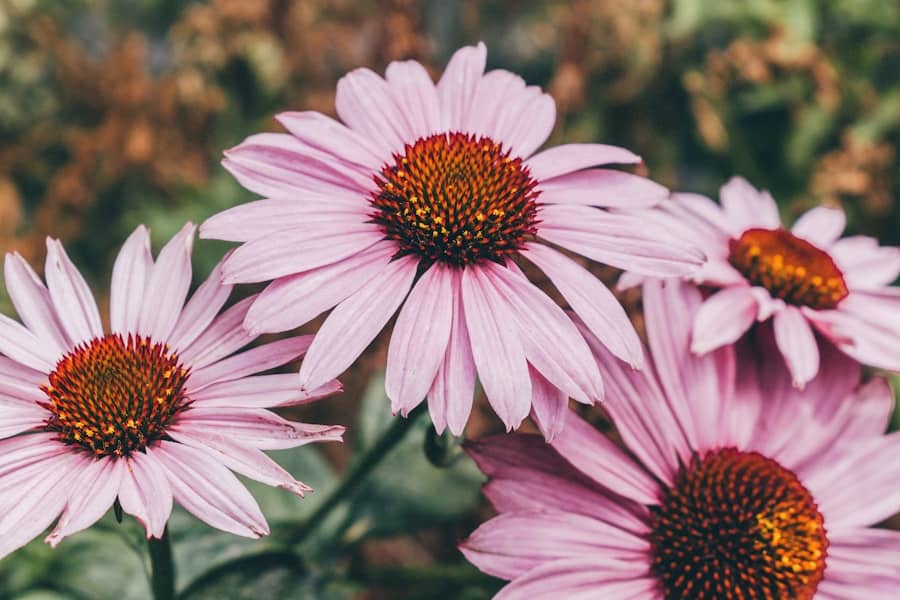
When selecting native plants for your garden, it is essential to consider the specific conditions of your site. Start by assessing factors such as soil type, sunlight exposure, and moisture levels. Understanding these elements will help you identify which native species are best suited for your landscape.
You may want to consult local gardening resources or extension services to gain insights into the native plants that thrive in your region. Another important aspect to consider is the seasonal interest of the plants you choose. Look for a variety of species that bloom at different times throughout the year, ensuring that your garden remains vibrant and engaging across all seasons.
Additionally, consider incorporating plants with varying heights and textures to create visual interest and depth in your landscape design. By thoughtfully selecting native plants that align with your garden’s conditions and aesthetic goals, you can cultivate a beautiful and sustainable outdoor space.
Designing a Native Plant Garden
Designing a native plant garden can be an exciting and rewarding process. Begin by sketching out a layout that reflects your vision while considering the natural contours of your landscape. You may want to create distinct zones within your garden, such as a wildflower meadow, a shaded woodland area, or a sunny butterfly garden.
This diversity not only enhances visual appeal but also provides various habitats for wildlife. As you plan your design, think about incorporating hardscaping elements like pathways, seating areas, or decorative stones. These features can help define spaces within your garden while providing functional areas for relaxation and enjoyment.
Additionally, consider using natural materials that blend seamlessly with the surrounding environment. By harmonizing your design with nature, you can create an inviting space that encourages exploration and appreciation of the beauty of native plants.
Maintaining and Caring for Native Plant Landscapes
While native plants are generally low-maintenance, they still require some care to thrive in your garden. Regular monitoring is essential to ensure that your plants are healthy and free from pests or diseases. You may find it helpful to establish a routine for watering, especially during dry spells when young plants may need extra moisture to establish their roots.
Mulching is another effective way to maintain your native plant landscape. A layer of organic mulch can help retain soil moisture, suppress weeds, and improve soil quality as it breaks down over time. Additionally, periodic pruning may be necessary to encourage healthy growth and prevent overcrowding among plants.
By staying attentive to the needs of your native plant garden, you can foster a thriving ecosystem that flourishes year after year.
Attracting Wildlife with Native Plants
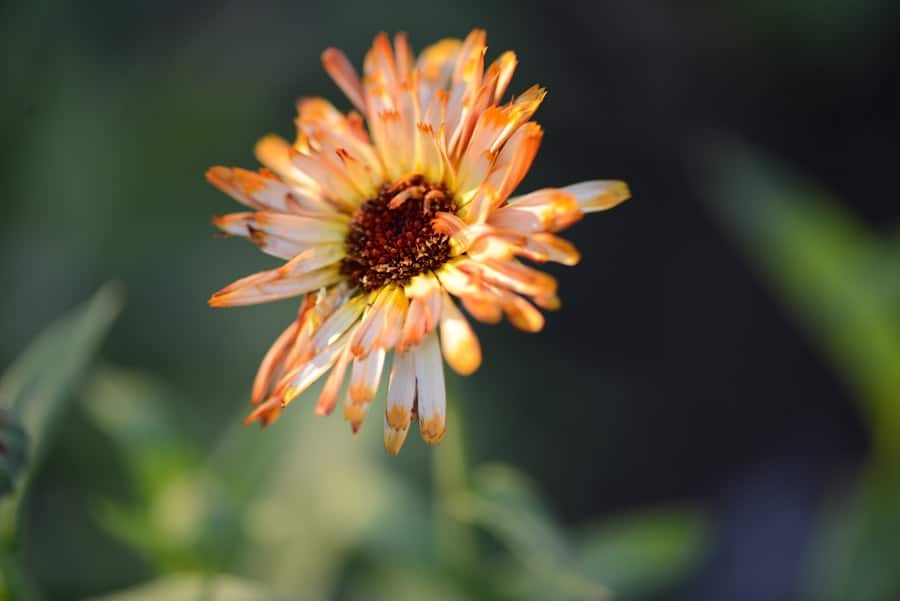
Attracting Wildlife to Your Garden
Native plant landscaping offers a unique opportunity to attract wildlife to your garden. By selecting plants that provide food and shelter for local species, you can create a vibrant habitat that supports biodiversity.
### Providing Food and Shelter
Flowering native plants can attract pollinators like bees and butterflies, while fruit-bearing shrubs can provide sustenance for birds and small mammals. This not only supports the local ecosystem but also creates a beautiful and thriving environment.
### Enhancing Wildlife Attraction
To further enhance wildlife attraction, consider incorporating features such as birdhouses, water sources, or rock piles into your landscape design. These elements can offer additional shelter and nesting opportunities for various species.
### Enjoying the Benefits
By creating a welcoming environment for wildlife, you not only contribute to the health of local ecosystems but also enjoy the beauty and joy that comes from observing nature in action.
Creating a Sustainable and Eco-Friendly Garden
In today’s world, sustainability is more important than ever, and native plant landscaping offers an excellent opportunity to create an eco-friendly garden. By choosing plants that are well-suited to your local environment, you can reduce water usage and minimize the need for chemical fertilizers or pesticides. This approach not only benefits your garden but also helps protect local waterways from runoff pollution.
Additionally, incorporating practices such as composting and rainwater harvesting can further enhance the sustainability of your garden. Composting kitchen scraps and yard waste creates nutrient-rich soil amendments that support healthy plant growth while reducing landfill waste. Similarly, collecting rainwater in barrels can provide an eco-friendly irrigation source during dry periods.
By embracing sustainable practices in your native plant landscape, you can cultivate an environmentally responsible garden that benefits both you and the planet.
Overcoming Challenges in Native Plant Landscaping
While native plant landscaping offers numerous benefits, it is not without its challenges. One common issue is the misconception that native plants are less attractive than their non-native counterparts. However, with careful selection and design, you can create a stunning garden filled with diverse colors, textures, and forms that rival any traditional landscape.
Another challenge may arise from invasive species that threaten the health of native plants. It is crucial to stay informed about invasive species in your area and take proactive measures to control their spread. Regular monitoring and removal of invasive plants can help protect the integrity of your native plant landscape.
By addressing these challenges head-on and remaining committed to your vision, you can create a thriving garden that showcases the beauty of native flora.
Native Plants for Different Climate Zones
Understanding the climate zone in which you live is essential when selecting native plants for your garden. Different regions have unique temperature ranges, precipitation patterns, and growing seasons that influence which species will thrive in your landscape. For example, if you reside in a temperate zone, you may find success with flowering dogwoods or black-eyed Susans, while those in arid regions might opt for desert sage or yucca.
To ensure success in your gardening endeavors, consider consulting local gardening guides or extension services that provide information on suitable native plants for your specific climate zone. These resources can help you make informed decisions about which species will flourish in your area while contributing to the overall health of the ecosystem.
Incorporating Native Plants into Urban Landscapes
Urban environments often present unique challenges for gardeners looking to incorporate native plants into their landscapes. However, with thoughtful planning and creativity, it is possible to create beautiful green spaces even in densely populated areas. Consider utilizing vertical gardens or container gardening techniques to maximize limited space while showcasing native flora.
Additionally, collaborating with local organizations or community groups can help promote awareness about the importance of native plant landscaping in urban settings. By participating in community gardening initiatives or educational programs, you can inspire others to embrace sustainable practices while enhancing the beauty of urban landscapes with native plants.
Resources for Finding Native Plants and Landscaping Services
As you embark on your journey into native plant landscaping, numerous resources are available to assist you in finding suitable plants and professional services. Local nurseries often carry a selection of native species tailored to your region’s climate and soil conditions. Additionally, many botanical gardens offer educational programs or workshops focused on native plant gardening.
Online resources such as plant databases or gardening forums can also provide valuable information about specific species and their care requirements. If you’re considering hiring landscaping services specializing in native plants, look for professionals who prioritize sustainability and have experience working with local ecosystems. By leveraging these resources, you can successfully navigate the world of native plant landscaping and create a thriving outdoor space that reflects both beauty and ecological responsibility.
If you are interested in learning more about how to choose the best landscaping service for your garden, check out this article on how to read landscaping reviews. It provides valuable tips on what to look for when researching landscaping companies. Additionally, if you are located in Jersey City, New Jersey and are in need of professional landscaping services, this article on landscaping service in Jersey City, New Jersey may be helpful. And for those looking to maintain the health of their trees, this article on tree health and disease management offers important information on how to keep your trees thriving.
FAQs
What are native plants?
Native plants are species that occur naturally in a particular region, ecosystem, or habitat without human introduction. They have evolved and adapted to the local climate, soil, and wildlife over thousands of years.
Why should I consider using native plants in my garden?
Using native plants in your garden can provide numerous benefits, including lower maintenance requirements, increased biodiversity, improved wildlife habitat, and reduced water usage. Native plants are also well-suited to local growing conditions and can help support the overall health of the ecosystem.
How do native plants benefit the environment?
Native plants play a crucial role in supporting local ecosystems by providing food and habitat for native wildlife, promoting soil health, and contributing to the overall stability and resilience of the ecosystem. They also help conserve water and reduce the need for chemical pesticides and fertilizers.
What are some examples of native plants that can be used in landscaping?
Examples of native plants that can be used in landscaping include wildflowers such as coneflowers and black-eyed susans, grasses like switchgrass and little bluestem, shrubs such as serviceberry and spicebush, and trees like oak and maple. These plants are well-adapted to local growing conditions and can thrive in a garden setting.
How can I incorporate native plants into my landscaping design?
You can incorporate native plants into your landscaping design by selecting species that are well-suited to your local climate and soil conditions, creating naturalistic plantings that mimic local ecosystems, and integrating a variety of native plants to provide different heights, textures, and seasonal interest in your garden. It’s also important to consider the specific needs of each plant and their interactions with local wildlife.
Where can I find native plants for my garden?
Native plants can be found at local nurseries, botanical gardens, and native plant sales. Many organizations and conservation groups also offer resources and guidance for sourcing and incorporating native plants into your garden. It’s important to ensure that the plants you choose are sourced from local ecotypes to best support the local ecosystem.