
Urban landscaping presents a unique blend of challenges and opportunities that can transform concrete jungles into vibrant green spaces. As you navigate the complexities of city life, you may find that the limited space, harsh environmental conditions, and the presence of pollution can make gardening seem daunting. However, these challenges also pave the way for innovative solutions that can enhance your living environment.
By embracing urban landscaping, you can create a sanctuary that not only beautifies your surroundings but also contributes to your well-being and the ecological health of your community. The opportunities in urban landscaping are abundant. With a little creativity and resourcefulness, you can turn even the smallest balcony or rooftop into a flourishing garden.
The growing trend of urban gardening reflects a collective desire to reconnect with nature amidst the hustle and bustle of city life. As you explore various landscaping techniques, you will discover that urban spaces can be transformed into lush retreats that provide fresh air, aesthetic pleasure, and even food production. This article will guide you through the essential aspects of urban landscaping, helping you to make the most of your limited space while fostering a deeper connection with nature.
Key Takeaways
- Urban landscaping presents both challenges and opportunities for creating beautiful outdoor spaces in small, limited areas.
- Choosing the right plants for small spaces is crucial for successful urban landscaping, considering factors such as size, maintenance, and environmental conditions.
- Creative design techniques, such as vertical gardens and trellises, can maximize space and add visual interest to urban gardens.
- Incorporating multi-functional elements, like seating with built-in storage or vertical planters, can make the most of limited space in urban landscapes.
- Sustainable practices, such as water conservation and native plant selection, are essential for creating and maintaining well-designed urban landscapes.
Choosing the Right Plants for Small Spaces
When it comes to selecting plants for small urban spaces, you must consider several factors to ensure that your garden thrives. First and foremost, think about the climate and microclimate of your area. Some plants are more suited to urban environments than others, as they can withstand pollution and adapt to varying light conditions.
Opting for native plants is often a wise choice, as they are typically more resilient and require less maintenance. Additionally, consider the size and growth habits of the plants you choose; compact varieties or dwarf species can provide the lushness you desire without overwhelming your limited space. Another important aspect to consider is the purpose of your garden.
Are you looking to create a vibrant display of flowers, or do you want to grow herbs and vegetables for culinary use? By defining your goals, you can select plants that align with your vision. For instance, if you’re interested in edible gardening, consider incorporating herbs like basil or mint, which thrive in containers and can be used in your cooking.
Alternatively, if you’re aiming for a colorful display, choose flowering plants that bloom at different times throughout the year to ensure continuous interest. By carefully selecting the right plants, you can create a harmonious and functional garden that enhances your urban living experience.
Creative Design Techniques for Urban Gardens

Designing an urban garden requires creativity and ingenuity, especially when working with limited space. One effective technique is to create distinct zones within your garden. By dividing your space into smaller areas dedicated to specific functions—such as relaxation, dining, or gardening—you can maximize its potential while maintaining a sense of order.
Use pathways or decorative borders to delineate these zones, allowing for easy navigation and visual appeal. This approach not only enhances the functionality of your garden but also creates an inviting atmosphere that encourages you to spend time outdoors. Incorporating various textures and colors is another way to elevate your urban garden design.
Layering plants with different heights and foliage types can create depth and interest in your space. For example, placing taller plants at the back of a raised bed while using shorter varieties in the front can draw the eye and create a sense of abundance. Additionally, consider using decorative elements such as sculptures, garden art, or unique planters to add personality to your garden.
By experimenting with design techniques, you can craft an urban oasis that reflects your style while making the most of your available space.
Maximizing Vertical Space with Trellises and Vertical Gardens
In urban environments where horizontal space is at a premium, maximizing vertical space becomes essential. Trellises and vertical gardens are excellent solutions for creating lush greenery without sacrificing valuable ground area. By installing trellises against walls or fences, you can support climbing plants such as beans, cucumbers, or flowering vines that add beauty and functionality to your garden.
This not only allows you to grow more plants but also creates a stunning visual impact that draws attention upward. Vertical gardens are another innovative way to utilize space effectively. These gardens consist of plants grown on vertical structures or walls, often using modular systems that allow for easy maintenance and customization.
You can create a living wall by attaching planters or pockets to an exterior wall or fence, filling them with a variety of plants that thrive in vertical conditions. This approach not only maximizes your growing area but also improves air quality and provides insulation for your home. By embracing vertical gardening techniques, you can transform even the smallest urban spaces into lush green retreats.
Incorporating Multi-functional Elements for Small Urban Landscapes
In small urban landscapes, every element must serve multiple purposes to maximize functionality and efficiency. Consider incorporating multi-functional furniture such as benches with built-in storage or tables that double as planters. These pieces not only save space but also enhance the overall aesthetic of your garden.
For instance, a bench adorned with cushions can provide seating while also serving as a decorative focal point in your outdoor area. Additionally, think about integrating features that promote sustainability and biodiversity. Rain barrels can collect water from downspouts for irrigation purposes while also serving as decorative elements in your garden design.
Similarly, planting pollinator-friendly flowers alongside edible plants can attract beneficial insects while providing food for you and your family. By incorporating multi-functional elements into your urban landscape, you can create a space that is both practical and visually appealing.
Making the Most of Limited Sunlight in Urban Environments
Assessing Sun Exposure
First, assess the sun exposure in different areas of your garden throughout the day. This will help you identify which spots receive the most light and which areas may require shade-tolerant plants.
Selecting Plants for Low-Light Conditions
When selecting plants for low-light conditions, look for varieties known for their ability to thrive in partial shade. Ferns, hostas, and certain types of ivy are excellent choices that can add lush greenery even in dimly lit areas.
Utilizing Creative Solutions
Additionally, consider using reflective surfaces such as mirrors or light-colored walls to bounce sunlight into darker corners of your garden. By being strategic about plant selection and utilizing creative solutions, you can successfully cultivate a thriving garden even in challenging light conditions.
Utilizing Container Gardening for Urban Landscapes
Container gardening is an ideal solution for urban landscapes where traditional gardening may not be feasible due to space constraints or poor soil quality. By using pots, planters, or raised beds filled with quality soil, you can create a versatile garden that fits seamlessly into any outdoor area—be it a balcony, patio, or rooftop. Containers come in various sizes and materials, allowing you to customize your garden according to your preferences and available space.
One of the significant advantages of container gardening is its mobility; you can easily rearrange pots to optimize sunlight exposure or change the layout of your garden as desired. Additionally, container gardens allow for better control over soil quality and drainage, which is particularly beneficial in urban environments where soil may be contaminated or compacted. You can grow a wide range of plants in containers—from flowers to vegetables—making it possible to enjoy a diverse garden without needing extensive ground space.
Creating Privacy and Seclusion in Urban Outdoor Spaces
In bustling urban environments, privacy can often feel elusive; however, there are several strategies you can employ to create secluded outdoor spaces within your garden. One effective method is to use tall plants or hedges as natural barriers that shield your garden from prying eyes while adding greenery and texture. Consider planting bamboo or ornamental grasses that grow quickly and provide an effective screen without taking up too much horizontal space.
In addition to planting strategies, incorporating structures such as pergolas or trellises adorned with climbing vines can create intimate areas within your garden where you can relax or entertain guests away from the hustle and bustle of city life. Adding outdoor curtains or screens can further enhance privacy while allowing you to control light and airflow in these secluded spots. By thoughtfully designing your outdoor space with privacy in mind, you can cultivate an oasis where you feel comfortable and at ease.
Incorporating Water Features in Small Urban Landscapes
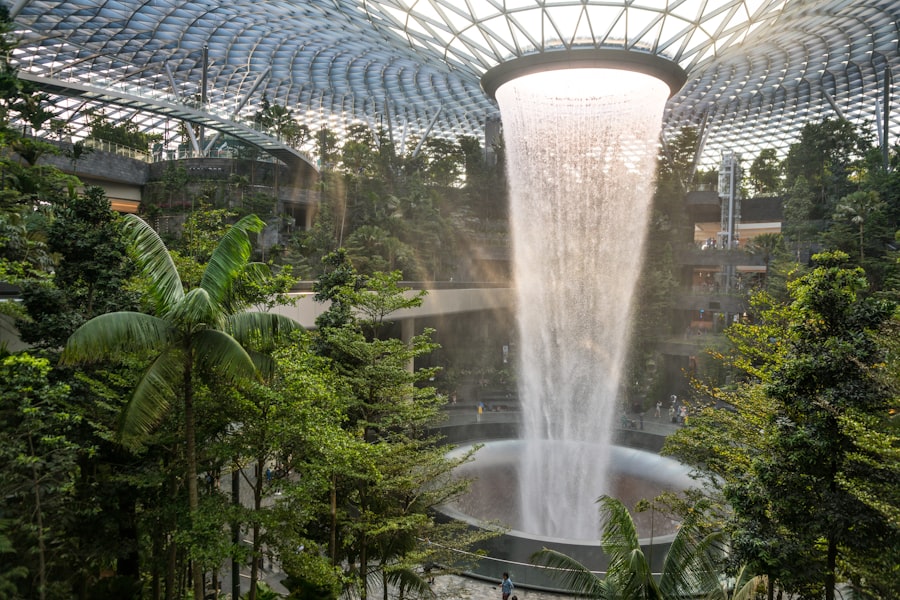
Water features can add tranquility and beauty to any urban landscape, even when space is limited. A small fountain or pond can create soothing sounds that drown out city noise while attracting wildlife such as birds and butterflies to your garden. If you’re concerned about space constraints, consider installing wall-mounted water features or tabletop fountains that provide the calming effects of water without requiring extensive ground area.
In addition to their aesthetic appeal, water features offer practical benefits as well; they can help regulate temperature in your outdoor space by providing cooling effects during hot summer months. Furthermore, incorporating native aquatic plants into your water feature can enhance biodiversity while creating a habitat for beneficial insects and wildlife. By thoughtfully integrating water features into your urban landscape design, you can elevate both its beauty and functionality.
Sustainable Practices for Urban Landscaping
Sustainability should be at the forefront of any urban landscaping project; adopting eco-friendly practices not only benefits the environment but also enhances the overall health of your garden. Start by choosing native plants that require less water and maintenance while supporting local ecosystems. Implementing rainwater harvesting systems allows you to collect rainwater for irrigation purposes—reducing reliance on municipal water sources.
Composting kitchen scraps and yard waste is another sustainable practice that enriches soil quality while minimizing landfill contributions. You might also consider using organic fertilizers and pest control methods to maintain a healthy garden without harmful chemicals. By prioritizing sustainability in your urban landscaping efforts, you’ll contribute positively to both your immediate environment and the broader community.
Enjoying the Benefits of a Well-Designed Urban Landscape
Creating a well-designed urban landscape offers numerous benefits that extend beyond mere aesthetics; it enhances your quality of life by providing a peaceful retreat from the chaos of city living. As you cultivate your garden—whether through container gardening, vertical designs, or sustainable practices—you’ll find joy in nurturing plants while fostering a deeper connection with nature. Moreover, an inviting outdoor space encourages social interaction with friends and neighbors while promoting mental well-being through exposure to greenery and fresh air.
By embracing the challenges of urban landscaping as opportunities for creativity and innovation, you’ll transform your limited outdoor area into a thriving oasis that enriches both your life and those around you. Ultimately, investing time and effort into designing an urban landscape will yield rewards that resonate far beyond its physical boundaries—creating lasting memories amidst nature’s beauty in an otherwise bustling environment.
If you’re looking to maximize your landscape in an urban setting, you may also be interested in learning about landscaping services in Winston-Salem, North Carolina. The article “Landscaping Service in Winston-Salem, North Carolina” discusses how professional landscaping services can help transform your outdoor space into a beautiful and functional oasis. Whether you’re in a bustling city or a quiet suburb, expert landscaping can make a big impact on your property.
FAQs
What are some tips for maximizing landscape in urban settings?
Some tips for maximizing landscape in urban settings include using vertical gardening techniques, choosing plants that are well-suited for small spaces, utilizing containers and raised beds, and incorporating multi-functional elements such as seating that also serves as storage.
What are the benefits of maximizing landscape in urban settings?
Maximizing landscape in urban settings can provide numerous benefits, including improved air quality, reduced urban heat island effect, increased biodiversity, enhanced aesthetic appeal, and opportunities for urban agriculture and food production.
How can vertical gardening be utilized in small urban spaces?
Vertical gardening can be utilized in small urban spaces by using trellises, wall-mounted planters, hanging baskets, and other vertical structures to grow plants upwards instead of outwards, maximizing the use of limited space.
What types of plants are well-suited for small urban spaces?
Plants that are well-suited for small urban spaces include compact or dwarf varieties of trees, shrubs, and perennials, as well as herbs, vegetables, and ornamental grasses that can thrive in containers or raised beds.
What are some examples of multi-functional elements for small urban landscapes?
Examples of multi-functional elements for small urban landscapes include benches with built-in storage, planters that also serve as seating, and vertical structures that incorporate both greenery and functional features such as lighting or water features.