
To create a thriving habitat for wildlife, you first need to understand the species that inhabit your area. Take the time to observe the animals that frequent your surroundings. This could include birds, mammals, insects, and even reptiles.
Each species plays a unique role in the ecosystem, and recognizing their behaviors and needs will help you create a more inviting environment. For instance, you might notice that certain birds prefer open spaces while others thrive in dense shrubbery. By identifying these preferences, you can tailor your landscape to accommodate a diverse range of wildlife.
Additionally, consider the seasonal changes that affect local wildlife. Many animals have specific breeding seasons, migration patterns, and feeding habits that vary throughout the year. By understanding these cycles, you can plan your garden or outdoor space to provide resources when they are most needed.
For example, planting flowers that bloom in early spring can attract pollinators just as they emerge from hibernation. This knowledge not only enriches your gardening experience but also fosters a deeper connection with the natural world around you.
Key Takeaways
- Understanding local wildlife is essential for creating a wildlife-friendly environment.
- Choosing native plants helps support local wildlife and promotes biodiversity.
- Providing water sources such as birdbaths and ponds is crucial for wildlife survival.
- Creating shelter and nesting areas like brush piles and birdhouses encourages wildlife to thrive.
- Incorporating food sources like native fruits and seeds attracts and sustains local wildlife.
Choosing Native Plants
Selecting native plants is one of the most effective ways to support local wildlife. Native species are adapted to the local climate and soil conditions, making them easier to grow and maintain. They also provide essential food and habitat for local fauna.
When you choose plants that are indigenous to your region, you create a more sustainable ecosystem that benefits both plants and animals. For instance, native wildflowers can attract butterflies and bees, while native shrubs may offer shelter for small mammals and nesting sites for birds. Moreover, native plants often require less water and fewer chemical inputs than non-native varieties.
This not only reduces your environmental footprint but also encourages a healthier ecosystem. By incorporating a variety of native plants into your landscape, you can create layers of vegetation that support different species at various levels. This diversity enhances the resilience of your garden and provides a rich tapestry of life that can be enjoyed throughout the seasons.
Providing Water Sources
Water is a vital resource for all living creatures, and providing accessible water sources in your garden can significantly enhance its appeal to wildlife. Consider installing a birdbath or a small pond to attract birds, insects, and other animals. Ensure that the water source is shallow enough for smaller creatures to access safely while providing deeper areas for larger animals to drink.
Regularly changing the water will keep it fresh and encourage frequent visits from wildlife. In addition to artificial water sources, think about how you can incorporate natural elements that collect rainwater. Rain gardens or strategically placed containers can capture runoff and provide hydration for both plants and animals.
By creating these water features, you not only support local wildlife but also contribute to the overall health of your garden ecosystem.
Creating Shelter and Nesting Areas
Shelter is crucial for wildlife as it provides protection from predators and harsh weather conditions. You can create various types of shelter in your garden by incorporating dense shrubs, tall grasses, and even brush piles. These natural structures offer hiding spots for small mammals and nesting sites for birds.
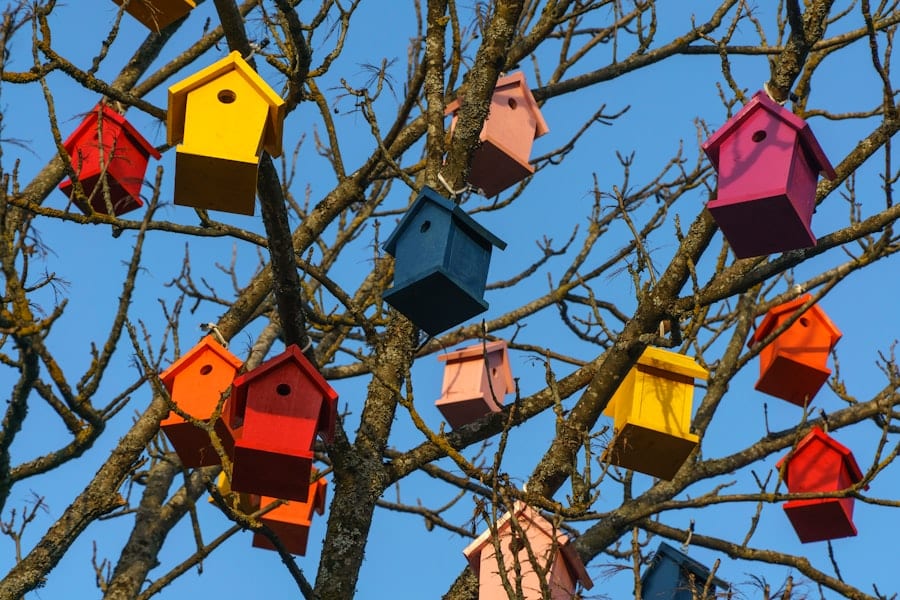
Additionally, consider leaving some areas of your garden untamed; this allows wildlife to thrive in their natural habitats without interference. Nesting boxes are another excellent way to encourage birds to settle in your garden. Different species have varying preferences for nesting sites, so research which types of birds are common in your area and build or purchase appropriate boxes.
Position these boxes in quiet areas away from heavy foot traffic to provide a safe haven for nesting birds. By offering shelter and nesting opportunities, you create a welcoming environment that supports the life cycles of various species.
Incorporating Food Sources
Providing food sources is essential for attracting wildlife to your garden. This can be achieved by planting a variety of flowering plants that produce nectar for pollinators or fruit-bearing shrubs that offer sustenance for birds and small mammals. Consider including plants that produce seeds or nuts as well; these can serve as a food source during the colder months when other resources may be scarce.
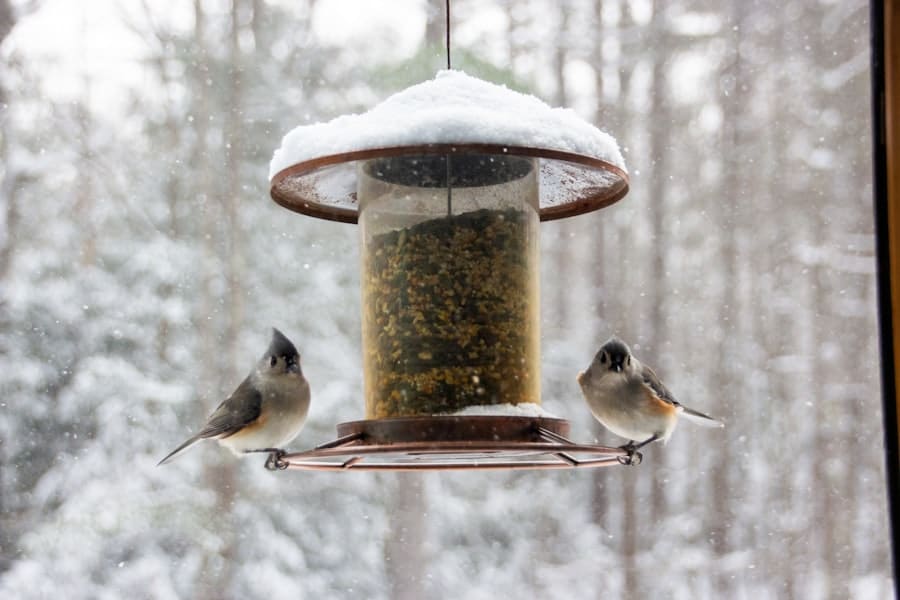
In addition to natural food sources, you might also consider supplementing with bird feeders or squirrel feeders filled with seeds or nuts. This not only attracts wildlife but also allows you to observe their behaviors up close. Be mindful of the types of food you offer; some species have specific dietary needs that should be met to ensure their health and well-being.
Minimizing Chemical Use
Creating a Safe Haven for Wildlife
To create a safe haven for wildlife, consider adopting organic gardening practices that minimize or eliminate chemical use altogether.
Natural Alternatives for Pest Control and Fertilization
Instead of relying on chemicals, explore natural alternatives for pest control and fertilization. Companion planting, for example, can deter pests while promoting healthy plant growth. Additionally, introducing beneficial insects like ladybugs or lacewings can help manage pest populations without harming other wildlife.
Protecting Local Fauna and the Environment
By prioritizing organic methods, you not only protect local fauna but also contribute to a healthier environment overall.
Maintaining Natural Habitats
Maintaining natural habitats within your garden is essential for supporting local wildlife populations. This means allowing certain areas to grow wild rather than manicured lawns or perfectly trimmed hedges. By creating patches of wildflowers or leaving some areas overgrown with native grasses, you provide essential habitats for various species.
These natural spaces serve as feeding grounds, nesting sites, and shelter for countless creatures. Regular maintenance is still necessary; however, it should focus on preserving these natural habitats rather than altering them drastically. Consider seasonal clean-ups that remove invasive species while allowing native plants to flourish.
This balance between maintenance and preservation ensures that your garden remains a vibrant ecosystem where wildlife can thrive.
Using Bird Feeders and Houses
Bird feeders and houses are excellent tools for attracting avian visitors to your garden while providing them with essential resources. When selecting feeders, choose designs that cater to different bird species; some may prefer platform feeders while others thrive on tube feeders filled with specific seeds. Position these feeders in quiet areas where birds feel safe from predators but still visible enough for you to enjoy their presence.
In addition to feeders, birdhouses can provide safe nesting sites for various species. Research the specific requirements for different birds regarding hole size, height placement, and materials used in construction. By offering both food and shelter through feeders and houses, you create an inviting environment that encourages birds to make your garden their home.
Building a Wildlife Pond
Creating a wildlife pond is one of the most rewarding projects you can undertake in your garden. Not only does it provide a vital water source for various animals, but it also supports aquatic life such as frogs, dragonflies, and fish. When designing your pond, aim for a natural look with varying depths and gentle slopes that allow easy access for wildlife.
Incorporate native plants around the pond’s edges to provide shade and habitat while helping maintain water quality through natural filtration processes. Additionally, consider adding rocks or logs as basking spots for reptiles or amphibians. A well-designed wildlife pond becomes a focal point in your garden while serving as an essential resource for local ecosystems.
Creating Wildlife Corridors
Wildlife corridors are essential pathways that allow animals to move safely between habitats without encountering barriers such as roads or urban development. By creating these corridors in your garden or community space, you contribute to the overall health of local wildlife populations. This can be achieved by planting native vegetation that connects fragmented habitats or by leaving open spaces free from development.
Consider collaborating with neighbors or local organizations to establish larger corridors that connect multiple properties or parks within your community. These efforts not only benefit wildlife but also foster a sense of community engagement as people come together to support local ecosystems.
Educating and Involving the Community
Education plays a crucial role in fostering appreciation for local wildlife and encouraging sustainable practices within your community. Organize workshops or informational sessions focused on topics such as native plant gardening, organic pest control methods, or the importance of biodiversity. By sharing knowledge with others, you empower them to take action in their own gardens.
Involving the community in conservation efforts can also lead to meaningful change on a larger scale. Consider starting community projects like tree planting days or habitat restoration initiatives that engage residents in hands-on activities while promoting awareness about local wildlife needs. Together, you can create a more harmonious relationship between people and nature in your shared environment.
By understanding local wildlife needs and implementing thoughtful practices in your gardening efforts, you contribute significantly to creating a thriving ecosystem right outside your door. From choosing native plants to providing water sources and shelter, every action counts toward fostering biodiversity and supporting the delicate balance of nature in your community.
If you are interested in creating a wildlife haven in your backyard, you may also want to consider hiring a professional landscaping service to help bring your vision to life. This article provides information on landscaping services in Arlington, Texas, and how they can assist you in transforming your outdoor space into a sanctuary for local fauna. Additionally, it is important to ensure that the landscaping company you choose is licensed and insured to protect both your property and the environment. This article offers tips on how to find a reputable and trustworthy landscaping company for your wildlife habitat project.
FAQs
What is wildlife landscaping?
Wildlife landscaping involves creating a habitat in your yard or garden that attracts and supports local fauna such as birds, butterflies, and small mammals.
Why is wildlife landscaping important?
Wildlife landscaping is important because it helps to support local ecosystems and biodiversity. It also provides food, shelter, and nesting sites for wildlife, and can contribute to the overall health of the environment.
What are some tips for creating a wildlife-friendly landscape?
Some tips for creating a wildlife-friendly landscape include planting native plants, providing water sources such as birdbaths or ponds, leaving some areas of the yard wild and untamed, and avoiding the use of pesticides and herbicides.
What are some examples of plants that attract wildlife?
Plants that attract wildlife include native flowers such as coneflowers and milkweed, shrubs like elderberry and serviceberry, and trees such as oak and hickory. These plants provide food and shelter for a variety of wildlife species.
How can I attract birds to my wildlife-friendly landscape?
To attract birds to your landscape, you can provide bird feeders with a variety of seeds, berries, and nectar, as well as nesting boxes and bird baths. Planting native trees and shrubs also provides natural food sources and nesting sites for birds.
What are some common mistakes to avoid when creating a wildlife-friendly landscape?
Common mistakes to avoid include using non-native plants, over-maintaining the landscape, and using chemical pesticides and herbicides. It’s also important to consider the specific needs of the wildlife species in your area when planning your landscape.