
As you delve into the world of permaculture, you will discover that it is more than just a method of gardening; it is a holistic design philosophy that seeks to create sustainable and self-sufficient ecosystems. The term “permaculture” combines “permanent” and “agriculture,” reflecting its goal of establishing agricultural systems that are enduring and resilient. This paradigm encourages you to observe and mimic natural ecosystems, allowing you to create landscapes that work in harmony with nature rather than against it.
By understanding the interconnectedness of all living things, you can design systems that are not only productive but also regenerative. In your exploration of permaculture, you will find that it emphasizes the importance of working with the land rather than exploiting it. This approach requires a shift in mindset, urging you to see the landscape as a living entity that can provide for your needs while also nurturing its own health.
By adopting this perspective, you can cultivate a deeper relationship with the environment, fostering a sense of stewardship that encourages sustainable practices. The permaculture paradigm invites you to think critically about your role within the ecosystem and to consider how your actions can contribute to a more balanced and harmonious world.
Key Takeaways
- Permaculture is a design system that aims to create sustainable and regenerative human habitats by mimicking natural ecosystems.
- The principles of permaculture design include observing and interacting with nature, capturing and storing energy, and valuing renewable resources.
- Permaculture ethics can be applied to landscape design by considering the care for the earth, care for people, and fair share principles.
- Regenerative agriculture techniques in permaculture focus on building healthy soil, integrating diverse crops, and minimizing external inputs.
- Incorporating renewable energy systems into permaculture design involves using solar panels, wind turbines, and other sustainable energy sources to reduce reliance on fossil fuels.
Principles of Permaculture Design
Permaculture design is guided by a set of principles that serve as a framework for creating sustainable systems. One of the core principles is observation, which encourages you to spend time in your environment, taking note of natural patterns and processes. By observing how water flows, how plants grow, and how animals interact, you can gain valuable insights that inform your design choices.
This principle emphasizes the importance of understanding your unique landscape before implementing any changes, ensuring that your designs are tailored to the specific conditions of your site. Another key principle is the concept of zones, which involves organizing your landscape based on the frequency of use and the needs of different elements. For instance, areas that require daily attention, such as vegetable gardens or herb beds, should be placed close to your home, while less frequently accessed areas, like orchards or wildlife habitats, can be situated further away.
This zoning approach not only maximizes efficiency but also minimizes energy expenditure, allowing you to create a more productive and sustainable landscape. By applying these principles thoughtfully, you can design systems that are both functional and resilient.
Applying Permaculture Ethics to Landscape Design

At the heart of permaculture lies a set of ethics that guide your decision-making process. These ethics—care for the earth, care for people, and fair share—serve as a moral compass for your design efforts. When you prioritize care for the earth, you commit to nurturing the soil, water, and biodiversity that sustain life.
This ethical framework encourages you to adopt practices that enhance ecological health, such as composting, mulching, and using organic methods to control pests. Equally important is the principle of caring for people, which emphasizes the need for social equity and community well-being. As you design your landscape, consider how your choices can benefit not only yourself but also those around you.
This might involve creating spaces for community gatherings, sharing surplus produce with neighbors, or providing educational opportunities for others interested in sustainable practices. By fostering a sense of community and collaboration, you can amplify the positive impact of your permaculture efforts.
Regenerative Agriculture Techniques in Permaculture
Regenerative agriculture is a cornerstone of permaculture design, focusing on practices that restore and enhance soil health while increasing biodiversity. As you explore these techniques, you’ll find that they often involve minimal disturbance to the soil, allowing natural processes to thrive. For example, practices such as cover cropping and crop rotation can improve soil structure and fertility while reducing erosion and pest pressure.
By implementing these techniques, you can create a more resilient agricultural system that supports both productivity and ecological balance. Another effective regenerative technique is agroforestry, which integrates trees and shrubs into agricultural landscapes. This practice not only provides additional yields—such as fruits, nuts, and timber—but also enhances biodiversity and improves soil health through increased organic matter.
As you incorporate these regenerative techniques into your permaculture design, you’ll witness firsthand how they contribute to a thriving ecosystem that benefits both people and the planet.
Incorporating Renewable Energy Systems into Permaculture Design
In your journey toward sustainable living through permaculture, integrating renewable energy systems is essential for reducing reliance on fossil fuels and minimizing your carbon footprint. Solar panels are one of the most accessible options for harnessing renewable energy in a permaculture setting. By installing solar panels on your property, you can generate electricity to power your home and garden tools while reducing greenhouse gas emissions.
Wind turbines are another renewable energy option worth considering if you live in an area with consistent wind patterns. These systems can provide additional energy sources for your permaculture landscape, allowing you to power irrigation systems or other essential equipment sustainably. By incorporating renewable energy systems into your design, you not only enhance the sustainability of your landscape but also contribute to a broader movement toward clean energy solutions.
Water Management Strategies in Permaculture Landscapes
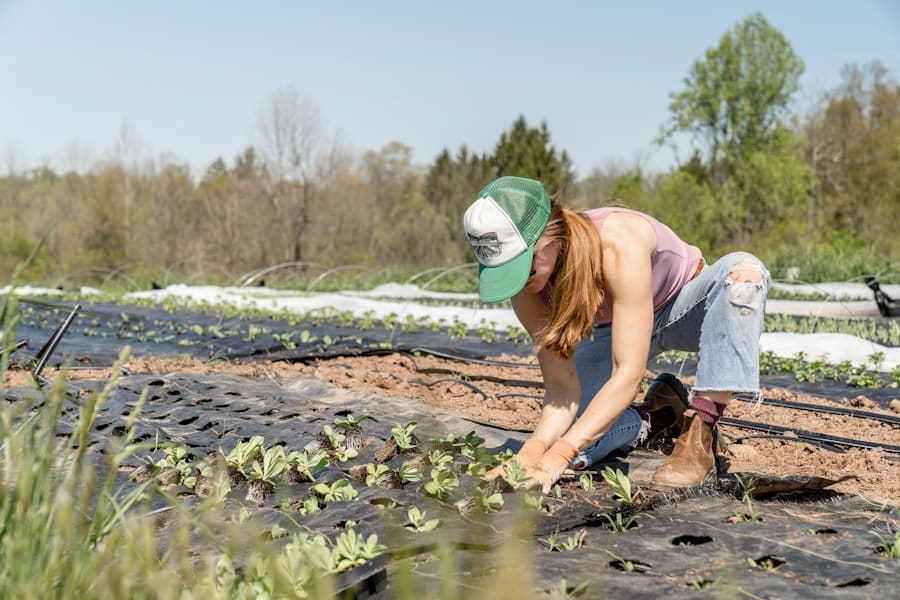
Effective water management is crucial in permaculture design, as it directly impacts the health of your plants and the overall sustainability of your landscape. One fundamental strategy is the use of swales—shallow ditches designed to capture and direct water runoff. By strategically placing swales on contour lines across your property, you can slow down water flow, allowing it to infiltrate the soil rather than running off into nearby waterways.
This technique not only conserves water but also helps prevent erosion and promotes healthy plant growth. Rainwater harvesting is another valuable water management strategy that can significantly enhance your permaculture system’s resilience. By collecting rainwater from roofs or other surfaces and storing it in barrels or cisterns, you can create a reliable water source for irrigation during dry periods.
This practice not only reduces your dependence on municipal water supplies but also helps mitigate flooding by capturing excess rainwater during storms. As you implement these water management strategies, you’ll find that they contribute to a more sustainable and self-sufficient landscape.
Integrating Wildlife Habitat and Biodiversity in Permaculture Design
Biodiversity is a key component of healthy ecosystems, and integrating wildlife habitat into your permaculture design can enhance both ecological resilience and productivity. As you create diverse plantings—such as native flowers, shrubs, and trees—you’ll attract beneficial insects, birds, and other wildlife that contribute to pollination and pest control. This diversity not only supports a thriving ecosystem but also creates a more visually appealing landscape.
Creating specific habitats within your permaculture design can further enhance biodiversity. For example, establishing a pond or wetland area can provide essential habitat for amphibians and aquatic insects while also serving as a water source for other wildlife. Additionally, incorporating features like brush piles or rock gardens can offer shelter for small mammals and reptiles.
By prioritizing biodiversity in your design choices, you’ll foster a vibrant ecosystem that benefits both wildlife and your own gardening efforts.
Permaculture as a Solution to Climate Change
As climate change continues to pose significant challenges worldwide, permaculture offers practical solutions for building resilience in both agricultural systems and communities. By focusing on regenerative practices that sequester carbon in the soil—such as cover cropping and agroforestry—you can actively contribute to mitigating climate change while enhancing soil health. These practices not only reduce greenhouse gas emissions but also improve the overall resilience of ecosystems in the face of changing climate conditions.
Moreover, permaculture promotes local food production and community engagement, reducing reliance on industrial agriculture and long supply chains that contribute to carbon emissions. By growing food locally through permaculture practices, you can help create more sustainable food systems that are less vulnerable to climate-related disruptions. As you embrace permaculture as a solution to climate change, you’ll find that it empowers individuals and communities to take meaningful action toward a more sustainable future.
Case Studies of Successful Permaculture Projects
Exploring successful case studies of permaculture projects can provide valuable insights into practical applications of these principles in real-world settings. One notable example is the transformation of degraded land into productive permaculture systems in various regions around the globe. In Australia’s desert regions, for instance, practitioners have implemented techniques such as keyline design and contour farming to restore soil health while increasing agricultural yields.
Another inspiring case study comes from urban environments where individuals have transformed small backyards into thriving permaculture gardens. These projects demonstrate how even limited space can be utilized effectively through vertical gardening techniques or container gardening methods. By examining these successful projects, you can gain inspiration for your own permaculture endeavors while learning from the experiences of others who have navigated similar challenges.
Challenges and Limitations of Permaculture Design
While permaculture offers numerous benefits, it is essential to acknowledge its challenges and limitations as well. One significant hurdle is the initial investment required for implementing permaculture systems—whether in terms of time, labor, or financial resources. Transitioning from conventional practices to permaculture often necessitates extensive planning and education, which may deter some individuals from fully committing to this approach.
Additionally, climatic conditions and local regulations can pose challenges when designing permaculture systems. For instance, certain regions may experience extreme weather events or have specific zoning laws that limit what can be done on a property. Recognizing these challenges allows you to approach permaculture with realistic expectations while seeking creative solutions tailored to your unique circumstances.
The Future of Permaculture: Scaling Up for Global Impact
As awareness of environmental issues grows globally, there is an increasing interest in scaling up permaculture practices for broader impact. This movement involves not only individual practitioners but also communities working together to create resilient food systems that prioritize sustainability over industrial agriculture’s short-term gains. By fostering collaboration among diverse stakeholders—such as farmers, educators, policymakers, and consumers—you can amplify the reach of permaculture principles beyond individual gardens.
The future of permaculture lies in its ability to adapt and innovate in response to emerging challenges such as climate change and food insecurity. By embracing technology alongside traditional practices—such as utilizing data analytics for efficient resource management or developing community-supported agriculture models—you can help shape a more sustainable future rooted in permaculture ethics. As you engage with this evolving movement, you’ll find opportunities to contribute meaningfully toward creating resilient ecosystems that benefit both people and the planet for generations to come.
If you are interested in learning more about landscaping services that focus on sustainability and regenerative practices, you may want to check out this article on landscaping services in Oklahoma City, Oklahoma. This article discusses how landscaping professionals in the area are incorporating permaculture principles into their designs to create landscapes that are not only beautiful but also environmentally friendly. By implementing these practices, they are able to create landscapes that are more resilient and sustainable in the long run.
FAQs
What is permaculture?
Permaculture is a design system that aims to create sustainable and self-sufficient human habitats by following the patterns and relationships found in nature.
What are the key principles of permaculture?
The key principles of permaculture include observing and interacting with nature, capturing and storing energy, obtaining a yield, applying self-regulation and accepting feedback, using and valuing renewable resources and services, producing no waste, designing from patterns to details, integrating rather than segregating, using small and slow solutions, and valuing diversity.
How does permaculture contribute to a regenerative future?
Permaculture contributes to a regenerative future by promoting sustainable and regenerative practices such as organic farming, agroforestry, water conservation, and renewable energy use. It also focuses on creating resilient and self-sufficient ecosystems that can adapt to changing environmental conditions.
What are some examples of permaculture design in landscapes?
Examples of permaculture design in landscapes include food forests, swales and berms for water management, keyhole gardens, polyculture planting, and integrated animal systems. These designs aim to maximize the use of natural resources and create productive and diverse ecosystems.
How can individuals learn more about permaculture and apply it to their own lives?
Individuals can learn more about permaculture through workshops, courses, and books on the subject. They can also join permaculture communities and visit permaculture demonstration sites to see the principles in action. Applying permaculture to their own lives can involve creating sustainable gardens, implementing water and energy-saving techniques, and supporting local regenerative agriculture.