
When it comes to maintaining a lush, green lawn or a thriving garden, the importance of an efficient irrigation system cannot be overstated. Among the various options available, PVC sprinkler systems have gained popularity due to their durability, affordability, and ease of installation. As you consider your irrigation needs, understanding the fundamentals of PVC sprinkler systems will help you make informed decisions.
These systems utilize polyvinyl chloride (PVC) pipes, which are lightweight yet robust, making them ideal for transporting water to your plants effectively. PVC sprinkler systems are designed to deliver water evenly across your landscape, ensuring that every corner of your garden receives adequate moisture. They can be customized to fit various layouts and sizes, making them suitable for both residential and commercial applications.
As you delve deeper into the world of irrigation, you’ll discover that PVC systems not only provide efficient water distribution but also contribute to water conservation efforts by minimizing waste. With the right knowledge and care, these systems can serve you well for many years.
Key Takeaways
- PVC sprinkler systems are a popular choice for irrigation due to their affordability and durability.
- Factors affecting the lifespan of PVC sprinkler systems include UV exposure, temperature fluctuations, and soil conditions.
- Proper installation and maintenance, including regular inspections and cleaning, are essential for maximizing the lifespan of PVC sprinkler systems.
- Signs of wear and tear on PVC sprinkler systems include leaks, cracks, and reduced water pressure.
- Common issues with PVC sprinkler systems include clogging, valve malfunctions, and pipe damage, which can be repaired with proper tools and materials.
Factors Affecting the Lifespan of PVC Sprinkler Systems
Regular Maintenance
Regular maintenance plays a significant role in prolonging the life of your PVC sprinkler system. By routinely checking for clogs, leaks, and other potential problems, you can address issues before they escalate into more significant concerns.
Proper Installation and Maintenance
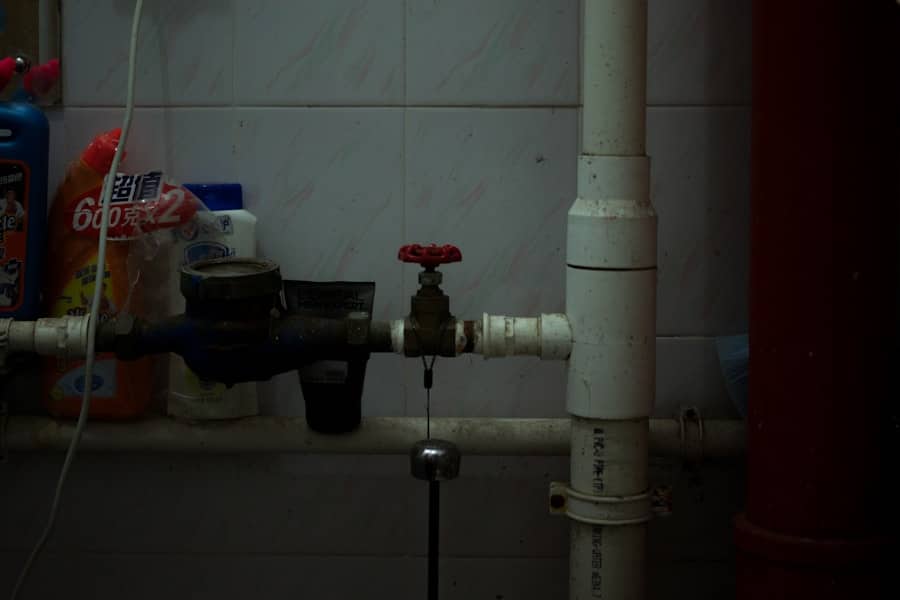
Proper installation is the cornerstone of a successful PVC sprinkler system. Before you begin, it’s essential to plan your layout carefully. Consider factors such as the size of your garden, the types of plants you have, and the water pressure available in your area.
Once you have a clear plan in place, you can begin laying out the PVC pipes and fittings according to your design. Make sure to use appropriate connectors and adhesives to ensure a watertight seal. After installation, maintenance becomes crucial in keeping your system running smoothly.
Regularly inspect your pipes and fittings for signs of wear or damage. Look for cracks or leaks that could lead to water loss or pressure issues. Additionally, clean your sprinkler heads periodically to prevent clogs caused by dirt or debris.
By dedicating time to maintenance tasks, you can significantly extend the life of your PVC sprinkler system and ensure it operates at peak efficiency.
Signs of Wear and Tear
As with any irrigation system, wear and tear are inevitable over time. Being able to recognize the signs of deterioration in your PVC sprinkler system is essential for timely intervention. One common indicator is a decrease in water pressure or uneven water distribution across your garden.
If you notice that certain areas are receiving less water than others, it may be a sign that your pipes are clogged or damaged. Another sign to watch for is visible damage to the pipes themselves. Cracks, discoloration, or brittleness can indicate that your PVC pipes are aging and may need replacement.
Additionally, if you observe pooling water or soggy patches in your yard, it could suggest a leak in the system. Addressing these issues promptly will not only help maintain the health of your plants but also prevent further damage to your irrigation system.
Common Issues and Repairs
Despite their durability, PVC sprinkler systems can encounter various issues over time. One common problem is pipe leaks, which can occur due to age, improper installation, or external factors such as ground movement. If you discover a leak, it’s essential to locate its source and repair it as soon as possible.
This may involve cutting out the damaged section of pipe and replacing it with a new piece using appropriate connectors. Another frequent issue is clogged sprinkler heads. Debris such as dirt, grass clippings, or mineral buildup can obstruct water flow, leading to uneven watering patterns.
To resolve this problem, remove the affected sprinkler head and clean it thoroughly before reattaching it. Regular maintenance checks can help prevent clogs from becoming a recurring issue in your system.
Environmental Factors
Environmental factors play a significant role in the performance and longevity of PVC sprinkler systems. For instance, exposure to extreme temperatures can affect the integrity of PVC pipes. In regions with harsh winters, freezing temperatures can cause pipes to crack if they are not adequately insulated or drained before winter sets in.
Conversely, excessive heat can lead to warping or brittleness in the material. Additionally, soil conditions can impact how well your sprinkler system functions. If you live in an area with highly acidic or alkaline soil, it may contribute to corrosion over time.
Regularly testing your soil’s pH levels can help you understand how it may affect your irrigation system and allow you to take preventive measures accordingly.
Upgrading and Replacement Options
As technology advances and new materials become available, you may find yourself considering upgrades or replacements for your existing PVC sprinkler system. One option is to switch to more advanced irrigation technologies such as drip irrigation or smart sprinkler systems that utilize sensors and timers for optimal efficiency. These systems can help conserve water while ensuring that your plants receive the right amount of moisture.
If you’re contemplating replacing old PVC pipes with newer materials, consider alternatives like polyethylene (PE) or cross-linked polyethylene (PEX). These materials offer flexibility and resistance to cracking while maintaining excellent durability. However, before making any changes, evaluate your current system’s performance and determine whether an upgrade is necessary based on its condition and efficiency.
Extending the Lifespan of PVC Sprinkler Systems
To maximize the lifespan of your PVC sprinkler system, implementing proactive measures is key. Regular maintenance should be at the forefront of your efforts; this includes routine inspections for leaks, clogs, and other potential issues. Additionally, consider seasonal maintenance tasks such as winterizing your system before colder months arrive to prevent freezing damage.
Another effective way to extend the life of your system is by investing in high-quality components from reputable manufacturers. While it may be tempting to opt for cheaper alternatives, doing so could lead to more frequent repairs and replacements down the line. By prioritizing quality over cost upfront, you can save money in the long run by reducing maintenance needs.
Benefits of PVC Sprinkler Systems
PVC sprinkler systems offer numerous advantages that make them an attractive choice for homeowners and landscapers alike. One significant benefit is their cost-effectiveness; PVC pipes are generally more affordable than other materials like metal or copper while still providing excellent durability and performance. This affordability allows you to create an efficient irrigation system without breaking the bank.
Moreover, PVC is resistant to corrosion and rust, which means it can withstand exposure to moisture without deteriorating over time. This characteristic makes it particularly suitable for outdoor applications where other materials might fail due to environmental conditions. Additionally, PVC pipes are lightweight and easy to handle during installation, making them accessible even for DIY enthusiasts.
Comparison with Other Sprinkler System Materials
When considering different materials for sprinkler systems, it’s essential to weigh the pros and cons of each option against PVFor instance, metal pipes such as galvanized steel or copper offer excellent durability but come with higher costs and susceptibility to corrosion over time. While they may last longer in some cases, their initial investment can be prohibitive for many homeowners. On the other hand, polyethylene (PE) pipes provide flexibility and resistance to cracking but may not offer the same level of durability as PVC under extreme conditions.
Each material has its unique advantages; however, PVC often strikes a balance between affordability and performance that makes it a popular choice among homeowners looking for reliable irrigation solutions.
Conclusion and Recommendations
In conclusion, understanding PVC sprinkler systems’ intricacies will empower you to make informed decisions about your irrigation needs. By recognizing factors that affect their lifespan—such as installation quality and environmental influences—you can take proactive steps toward maintaining an efficient watering solution for your garden or lawn. As you navigate through common issues and repairs associated with these systems, remember that regular maintenance is crucial in extending their life span while ensuring optimal performance.
Whether you’re considering upgrades or replacements down the line or simply looking for ways to enhance your current setup—prioritizing quality materials will ultimately lead you toward success in achieving a thriving landscape. By embracing these recommendations and staying vigilant about maintenance practices throughout ownership—your investment in a PVC sprinkler system will yield fruitful results for years ahead!
If you are looking to enhance your landscape to attract wildlife, you may want to check out this article for some helpful tips. Creating a wildlife-friendly environment can not only add beauty to your yard but also provide a habitat for various species. Hiring a professional landscaper, as discussed in this article, can help you achieve your desired results efficiently and effectively. Whether you are in Kansas City, Missouri, or any other location, a landscaping service like the one mentioned in this article can assist you in creating a sustainable and visually appealing outdoor space.
FAQs
What is a PVC sprinkler system?
A PVC sprinkler system is a type of irrigation system that uses polyvinyl chloride (PVC) pipes and fittings to distribute water to the landscape or garden.
How long does a PVC sprinkler system last?
A properly installed and maintained PVC sprinkler system can last for 10-15 years or more.
What factors can affect the lifespan of a PVC sprinkler system?
Factors that can affect the lifespan of a PVC sprinkler system include the quality of the PVC pipes and fittings, the installation process, the type of soil and climate conditions, and the level of maintenance.
How can I extend the lifespan of my PVC sprinkler system?
To extend the lifespan of a PVC sprinkler system, it is important to use high-quality PVC pipes and fittings, ensure proper installation, perform regular maintenance, and protect the system from physical damage and extreme weather conditions.
What are the signs that a PVC sprinkler system needs to be replaced?
Signs that a PVC sprinkler system may need to be replaced include frequent leaks, cracks, or breaks in the pipes or fittings, reduced water pressure, and uneven water distribution in the landscape.