
Fragrance gardens have a rich and storied history that dates back to ancient civilizations. You might be surprised to learn that the concept of cultivating plants for their aromatic properties can be traced back to the Egyptians, who used fragrant herbs and flowers in their religious rituals and burial practices. They believed that these scents could appease the gods and provide comfort in the afterlife.
As you delve deeper into history, you will find that the Greeks and Romans also embraced the idea of fragrance gardens, using them not only for their beauty but also for their therapeutic benefits. They cultivated gardens filled with aromatic herbs like lavender, rosemary, and thyme, which were used in cooking, medicine, and even as natural perfumes. As time progressed, the Renaissance period saw a resurgence in the popularity of fragrance gardens.
You may find it fascinating that during this era, gardens became a symbol of status and sophistication among the elite. Nobles and aristocrats would create elaborate gardens filled with fragrant flowers and herbs, often incorporating intricate designs and pathways. These gardens were not just for aesthetic pleasure; they served as a sanctuary for relaxation and contemplation.
The tradition of fragrance gardens continued to evolve, influencing various cultures around the world. Today, you can see this legacy reflected in modern botanical gardens and home gardens, where the focus on scent has become an integral part of gardening practices.
Key Takeaways
- Fragrance gardens have a rich history dating back to ancient civilizations, where they were used for religious, medicinal, and cosmetic purposes.
- Aromatherapy is based on the science of how different aromas can affect the mind and body, with essential oils being the key components used in this practice.
- Creating your own fragrance garden can be a rewarding experience, and it’s important to consider factors such as climate, soil, and sunlight when choosing plants.
- Lavender, chamomile, and rose are some of the most soothing aromas for relaxation, and they can be incorporated into fragrance gardens for their calming effects.
- Aromatherapy in fragrance gardens offers benefits such as stress relief, improved mood, and better sleep, making it a valuable addition to any outdoor space.
The Science Behind Aromatherapy
Aromatherapy is a holistic healing practice that utilizes the natural aromas of essential oils to promote physical and emotional well-being. You may be intrigued to learn that the science behind aromatherapy is rooted in the way our brains process scents. When you inhale an aroma, the olfactory receptors in your nose send signals directly to the limbic system, the part of your brain responsible for emotions, memories, and even certain physiological responses.
This direct connection explains why certain scents can evoke powerful memories or feelings of calmness and relaxation. Research has shown that different essential oils can have varying effects on your mood and health. For instance, lavender is often associated with relaxation and stress relief, while citrus scents like lemon and orange can uplift your spirits and energize you.
As you explore aromatherapy further, you will discover that the chemical compounds found in essential oils interact with your body in unique ways. Some oils possess anti-inflammatory properties, while others may help improve sleep quality or boost your immune system. Understanding these scientific principles can empower you to make informed choices about which scents to incorporate into your fragrance garden.
Creating Your Own Fragrance Garden
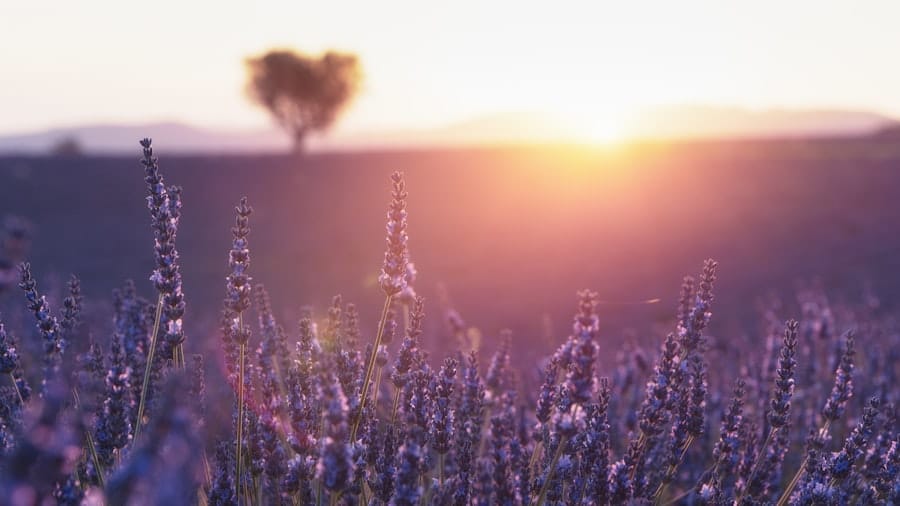
Creating your own fragrance garden can be a rewarding and fulfilling endeavor. To start, you should consider the space available to you—whether it’s a small balcony, a backyard, or even indoor pots. You might want to choose a location that receives ample sunlight, as most aromatic plants thrive in bright conditions.
Once you have identified your space, it’s time to select the right plants. Think about incorporating a variety of herbs and flowers known for their delightful scents, such as jasmine, mint, or geraniums. Each plant will contribute its unique aroma, creating a symphony of scents that will envelop you as you spend time in your garden.
As you plan your garden layout, consider how you want to arrange your plants. You may prefer a more structured design with neatly organized rows or a more natural look with plants intermingling freely. Don’t forget to include pathways or seating areas where you can relax and enjoy the fragrances around you.
Additionally, think about incorporating elements like water features or decorative stones to enhance the sensory experience. As you nurture your fragrance garden over time, you will find joy in watching it flourish and evolve, providing you with a personal oasis filled with soothing aromas.
The Most Soothing Aromas for Relaxation
When it comes to relaxation, certain aromas stand out for their calming effects on the mind and body. You might find that lavender is one of the most popular choices for promoting tranquility. Its sweet floral scent has been shown to reduce anxiety levels and improve sleep quality.
You can easily incorporate lavender into your fragrance garden by planting it alongside other calming herbs like chamomile or lemon balm. The combination of these scents can create a serene atmosphere that invites relaxation. Another soothing aroma to consider is sandalwood.
Known for its warm, woody scent, sandalwood has been used for centuries in meditation practices due to its grounding properties. You may also want to explore essential oils like bergamot or ylang-ylang, both of which are known for their ability to alleviate stress and promote feelings of happiness. By carefully selecting these soothing aromas for your fragrance garden, you can create a sanctuary that encourages relaxation and rejuvenation whenever you step outside.
The Benefits of Aromatherapy in Fragrance Gardens
The benefits of incorporating aromatherapy into your fragrance garden are numerous and profound. One of the most significant advantages is the potential for stress reduction. As you immerse yourself in the scents of your garden, you may find that your worries begin to fade away.
The act of tending to your plants can also serve as a form of mindfulness practice, allowing you to connect with nature and focus on the present moment. This connection can lead to improved mental clarity and emotional well-being. In addition to stress relief, aromatherapy can also enhance your physical health.
Many essential oils possess antimicrobial properties that can help purify the air around you. By breathing in these natural aromas, you may support your immune system and promote overall wellness. Furthermore, spending time in a fragrance garden can encourage physical activity, whether through gardening tasks or simply walking among the plants.
This combination of mental and physical benefits makes fragrance gardens an ideal setting for holistic health practices.
How to Use Aromatherapy in Your Daily Routine
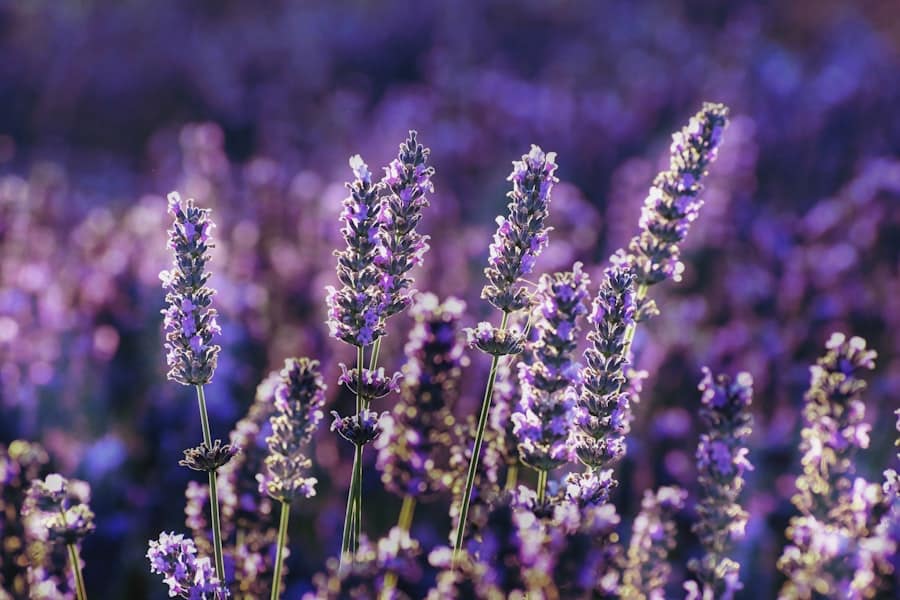
Incorporating aromatherapy into your daily routine can be simple and enjoyable. One effective way is to use essential oils in a diffuser while you go about your day. You might choose calming scents like lavender or chamomile during moments of stress or opt for invigorating aromas like peppermint or citrus when you need an energy boost.
By creating an aromatic environment in your home or workspace, you can enhance your mood and productivity throughout the day. Another approach is to integrate aromatherapy into your self-care rituals. Consider adding a few drops of essential oil to your bathwater for a relaxing soak or using scented candles during meditation sessions.
You could also create personalized roller blends by mixing essential oils with a carrier oil for easy application on pulse points throughout the day. By consciously incorporating these practices into your routine, you will cultivate a deeper connection with the healing power of aromas.
The Healing Properties of Different Aromas
Each aroma carries its own unique healing properties that can benefit various aspects of your well-being. For instance, eucalyptus is renowned for its ability to clear respiratory pathways and promote easier breathing. If you’re feeling under the weather or experiencing congestion, incorporating eucalyptus into your fragrance garden can provide relief when inhaled or applied topically in diluted form.
Similarly, rosemary is celebrated not only for its culinary uses but also for its cognitive benefits. Research suggests that rosemary may enhance memory retention and concentration levels. By planting rosemary in your garden, you can create an environment conducive to mental clarity while enjoying its invigorating scent.
As you explore different aromas, you’ll discover how each one can contribute to your overall health and wellness journey.
The Connection Between Aromas and Emotions
The connection between aromas and emotions is both fascinating and profound. You may have noticed how certain scents evoke specific feelings or memories—perhaps the smell of freshly baked cookies reminds you of childhood or a particular flower brings back memories of a loved one. This phenomenon occurs because our sense of smell is closely linked to the limbic system, which governs emotions and memory.
Understanding this connection allows you to harness the power of aromas intentionally. For example, if you’re seeking comfort during challenging times, surrounding yourself with familiar scents like vanilla or cinnamon can provide solace and warmth. Conversely, if you’re looking to uplift your mood or energize yourself, citrus scents like grapefruit or lemon can invigorate your spirit.
By being mindful of how different aromas affect your emotions, you can create an environment that supports your mental well-being.
The Role of Fragrance Gardens in Mental Health
Fragrance gardens play a significant role in promoting mental health by providing a sensory-rich environment that encourages relaxation and mindfulness. Spending time in nature has been shown to reduce symptoms of anxiety and depression while enhancing overall mood. When surrounded by fragrant plants, you may find it easier to disconnect from daily stressors and reconnect with yourself.
Moreover, engaging with a fragrance garden can foster a sense of purpose and accomplishment as you nurture plants and witness their growth over time. This connection to nature not only enhances emotional well-being but also encourages social interaction if shared with friends or family members. By cultivating a fragrance garden, you’re not just creating a beautiful space; you’re also investing in your mental health and well-being.
The Importance of Proper Care and Maintenance for Fragrance Gardens
To fully enjoy the benefits of your fragrance garden, proper care and maintenance are essential. Regular watering, pruning, and fertilizing will ensure that your plants thrive and continue to produce their delightful aromas. You should also be mindful of pests that may invade your garden; using natural pest control methods can help protect your plants without compromising their health.
Additionally, seasonal changes may require adjustments in care routines—some plants may need extra protection during colder months while others may thrive in full sun during summer months. By staying attentive to the needs of your fragrance garden throughout the year, you’ll create an environment where aromatic plants flourish and provide joy for years to come.
The Future of Aromatherapy and Fragrance Gardens
As society continues to recognize the importance of holistic health practices, the future of aromatherapy and fragrance gardens looks promising. You may find that more people are turning to natural remedies as they seek alternatives to conventional medicine for stress relief and emotional support. This shift towards embracing nature’s healing properties opens up opportunities for innovation in how we design fragrance gardens—incorporating technology such as smart irrigation systems or educational workshops on plant care.
Moreover, as urban areas expand, there is an increasing demand for green spaces that promote well-being within communities. Fragrance gardens could become integral components of urban planning initiatives aimed at enhancing mental health through nature-based solutions. By fostering connections between people and plants while promoting sustainable practices, fragrance gardens will continue to thrive as vital spaces for relaxation and healing in our ever-evolving world.
In conclusion, fragrance gardens offer a unique blend of history, science, creativity, and emotional connection that enriches our lives in countless ways. By understanding their significance and incorporating aromatherapy into our daily routines, we can cultivate spaces that nurture our well-being while celebrating the beauty of nature’s aromas.
If you are interested in creating a fragrance garden to enjoy the soothing effects of aromas, you may want to consider hiring a professional landscaping service. Companies like Baltimore Landscaping Service, Seattle Landscaping Service, or Chandler Landscaping Service can help you design and maintain a beautiful garden that appeals to all your senses. Check out their services to learn more about how they can assist you in creating a tranquil outdoor space.
FAQs
What are fragrance gardens?
Fragrance gardens are specially designed gardens that are filled with aromatic plants and flowers, specifically chosen for their pleasant scents. These gardens are created to provide a sensory experience for visitors, as well as to promote relaxation and well-being.
What are the benefits of fragrance gardens?
Fragrance gardens can have a variety of benefits, including promoting relaxation, reducing stress, and improving mood. The scents of the plants and flowers in these gardens can have a soothing effect on visitors, and can also help to improve air quality and create a more pleasant environment.
What types of plants are commonly found in fragrance gardens?
Common plants found in fragrance gardens include lavender, roses, jasmine, mint, and various herbs such as thyme and sage. These plants are chosen for their pleasant scents and are often used in aromatherapy for their calming and soothing properties.
How can fragrance gardens be incorporated into daily life?
Fragrance gardens can be incorporated into daily life by visiting public gardens, creating a small fragrance garden at home, or using essential oils and scented candles to bring the soothing effects of fragrance gardens into indoor spaces. Additionally, many spas and wellness centers incorporate fragrance gardens into their design to enhance the relaxation experience for their clients.
Are there any scientific studies supporting the soothing effects of fragrance gardens?
There is a growing body of scientific research that supports the idea that certain scents can have a positive impact on mood and well-being. Studies have shown that exposure to pleasant scents can reduce stress and anxiety, improve mood, and promote relaxation. While more research is needed, the evidence suggests that fragrance gardens can have real benefits for mental and emotional health.